Адрес
304 Северный кардинал
Улица Дорчестер Сентер, MA 02124
Рабочие часы
Понедельник - пятница: 7AM - 7PM
Выходные: 10AM - 5PM
Адрес
304 Северный кардинал
Улица Дорчестер Сентер, MA 02124
Рабочие часы
Понедельник - пятница: 7AM - 7PM
Выходные: 10AM - 5PM
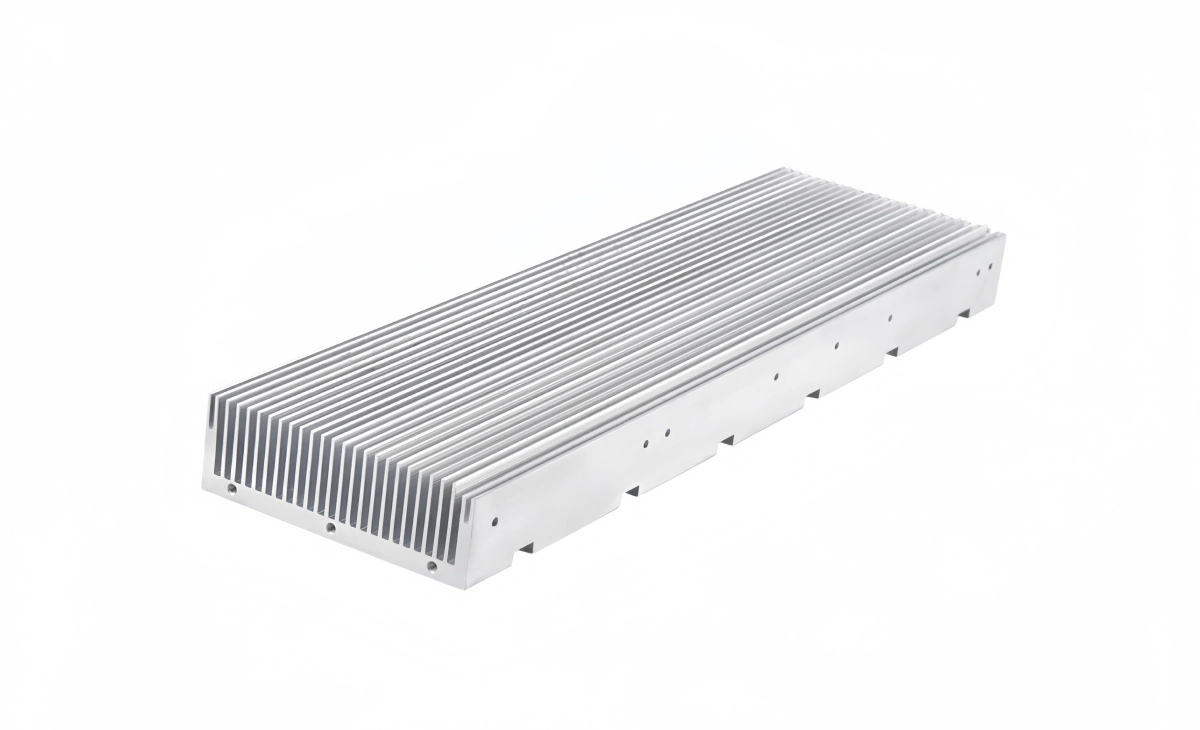
In the modern era of rapid technological evolution, where industrial equipment, electronic appliances, and new energy devices are becoming more powerful and compact, thermal management has emerged as the critical factor determining operational stability, lifespan, and efficiency.
High temperature is the “silent killer” of electronic components and industrial machinery. Prolonged exposure to excessive heat leads to performance degradation, accelerated aging of components, high failure rates, and even catastrophic safety hazards. Among various cooling solutions, the Aluminum Profile Heat Sink has become the most widely used and versatile thermal accessory in the market. Its popularity stems from a unique combination of lightweight properties, high thermal conductivity, cost-effectiveness, and exceptional plasticity.
This 2000-word comprehensive guide provides an in-depth analysis of the aluminum profile heat sink, covering its working principles, core advantages, mainstream classifications, application scenarios, selection tips, and maintenance strategies.
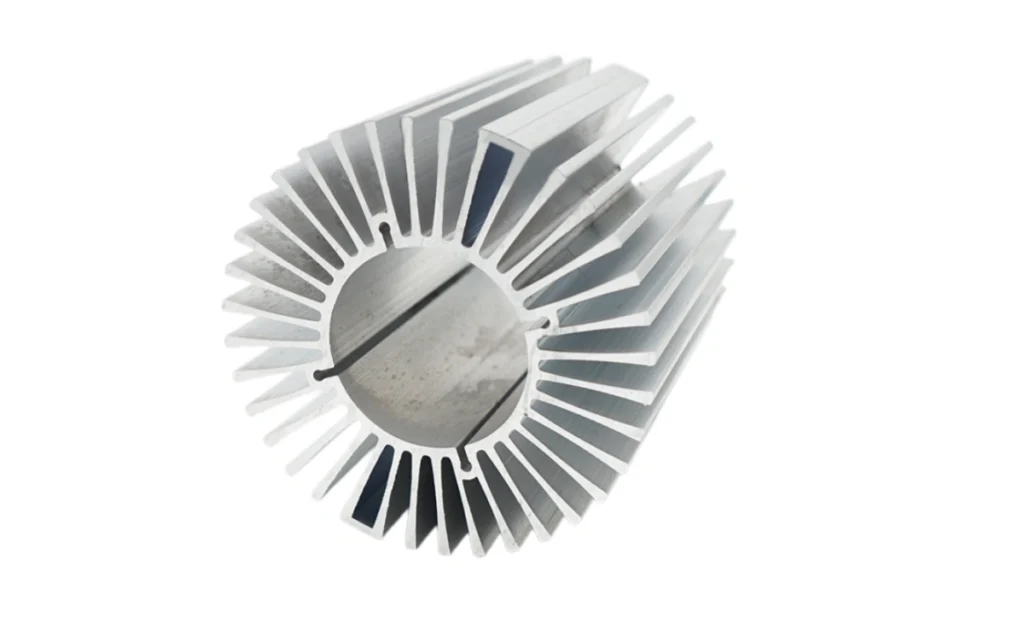
An aluminum profile heat sink is a cooling device manufactured primarily from aluminum alloys through processes like extrusion, cutting, and precision machining. Its operation relies on the synergy of three physical heat transfer methods: conduction, convection, and radiation.
Thermal conduction is the first step in the cooling process. When a device (such as a CPU, power transistor, or LED chip) operates, it generates concentrated heat. This heat is transferred directly to the base of the aluminum profile heat sink, which is in physical contact with the heat source. Aluminum alloys, particularly the 6000 series, possess high thermal conductivity coefficients, allowing heat to move rapidly from the contact point through the base and into the extended fins.
Convection is where the structural design of the heat sink shines. The unique “fin” structure of an aluminum profile heat sink significantly increases the total surface area exposed to the environment. As the fins heat up, the surrounding air absorbs this heat. Hot air becomes less dense and rises, allowing cooler air to flow in and take its place. This continuous cycle of air movement—often enhanced by fans in active cooling systems—effectively “carries” the heat away from the device.
While often secondary to conduction and convection, thermal radiation plays a vital role, especially in high-temperature or vacuum-adjacent environments. After surface treatments like anodizing or sandblasting, the surface emissivity of the aluminum increases. This allows the heat sink to emit a portion of the thermal energy as infrared radiation into the surrounding space.
Why Aluminum over Copper or Steel?
While copper has higher thermal conductivity, it is three times heavier and significantly more expensive. Aluminum offers a “sweet spot”—providing sufficient thermal performance for over 90% of industrial applications while maintaining a lightweight profile and much lower production costs.
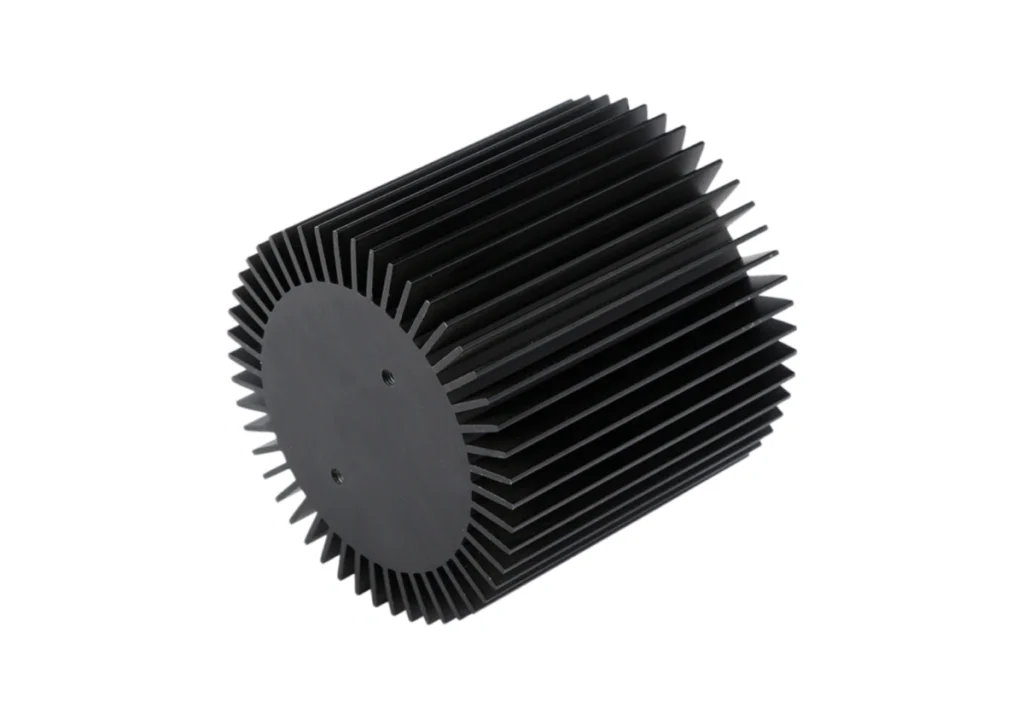
The market for thermal management is filled with various materials, including copper, cast iron, and even thermal plastics. However, the aluminum profile heat sink maintains a dominant market share due to several irreplaceable benefits:
Dedicated alloys like 6063 and 6061 aluminum are optimized for thermal performance. These materials provide stable and uniform heat dissipation. Unlike materials with high thermal lag, aluminum responds quickly to temperature fluctuations, ensuring that sensitive electronics stay within their optimal operating temperature range.
In industries like aerospace, automotive, and portable electronics, weight is a critical constraint. Aluminum’s low density significantly reduces the overall weight of the equipment. Furthermore, the extrusion process increases the structural rigidity of the profile, making it resistant to deformation, pressure, and vibration.
One of the greatest strengths of the aluminum profile heat sink is its design flexibility. Through the extrusion process, manufacturers can create complex fin geometries, high-density teeth, and various cross-sectional shapes that would be impossible or cost-prohibitive with other materials. This allows for bespoke cooling solutions tailored to specific spatial constraints and power requirements.
Aluminum naturally forms a thin, protective oxide layer. This can be further enhanced through anodizing, electrophoresis, or powder coating. These treatments allow the heat sink to withstand humid environments, salt spray, and mild acidic or alkaline conditions, drastically extending the service life of the cooling system.
Aluminum is abundant and the manufacturing process (extrusion) is highly mature and efficient for mass production. This keeps the unit price low. Additionally, aluminum is 100% recyclable. As global industries move toward “Green Manufacturing,” the use of recyclable aluminum aligns with environmental and ESG goals.
Different devices require different cooling strategies. Understanding the types of aluminum profile heat sinks is essential for selecting the right solution.
This is the most common type. An aluminum billet is heated and pushed through a steel die to create a long profile with a constant cross-section.
When the required fin density exceeds what extrusion technology can achieve (due to die pressure limits), insert-fin heat sinks are used. Individual fins are bonded into a grooved base plate using thermally conductive epoxy or brazing.
A specialized machine “shaves” thin fins from a solid block of aluminum.
These are essentially aluminum profiles with internal channels for coolant flow. They combine the lightweight nature of aluminum with the extreme cooling capacity of water or glycol.
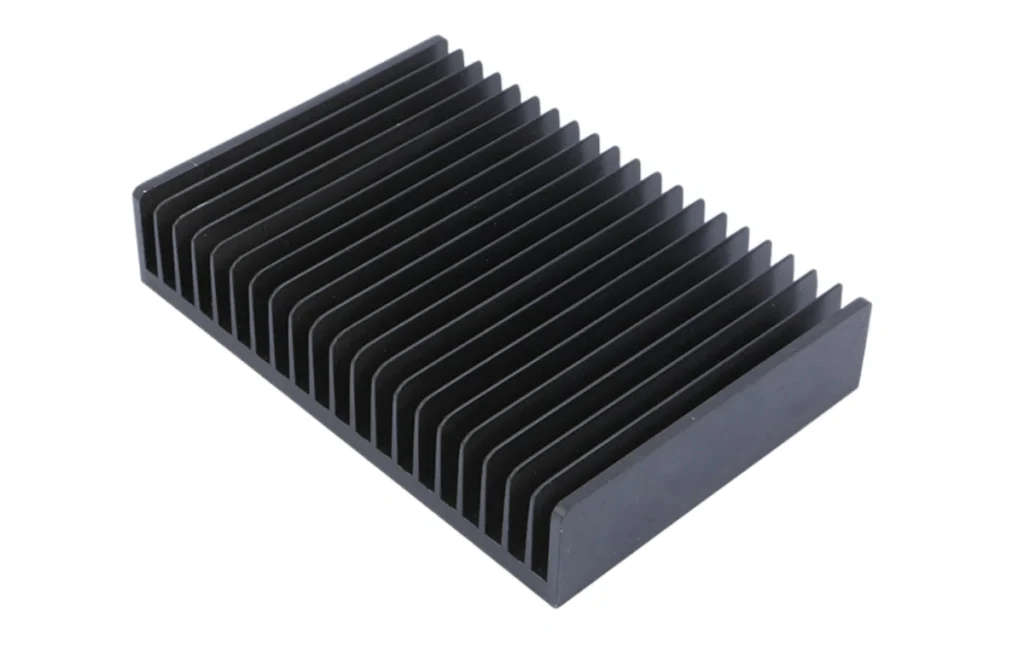
The versatility of the aluminum profile heat sink allows it to penetrate almost every sector of modern industry.
When sourcing or designing an aluminum profile heat sink, avoid looking at the price alone. Follow these technical criteria:
Always insist on Grade 6063 for thermal applications. Some low-cost manufacturers use recycled aluminum or “scrap” alloys, which contain impurities that drastically reduce thermal conductivity and make the material prone to cracking or oxidation.
Calculate the required thermal resistance Larger devices with higher wattage require a larger total surface area (more fins or taller fins). For high-power density, choose “High-Aspect Ratio” fins that provide more surface area within the same footprint.
The base plate (the part that touches the heat source) must be thick enough to spread the heat horizontally before it travels up the fins. Furthermore, the base must be machined perfectly flat. Any microscopic gaps between the device and the heat sink act as insulators, reducing cooling efficiency.
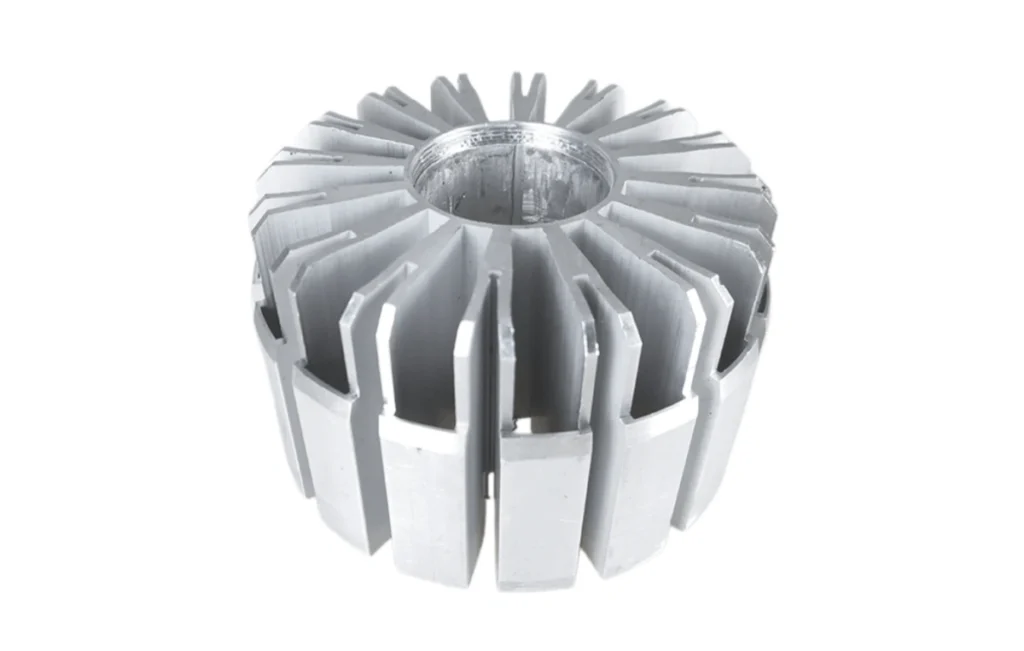
While aluminum profile heat sinks are low-maintenance, they are not “zero-maintenance.” To ensure a 10-20 year lifespan, follow these steps:
As we look toward the future, the aluminum profile heat sink industry is moving toward “Extreme Precision” and “Hybrid Designs.” We are seeing the rise of 3D forged aluminum and friction stir welded cold plates that push the boundaries of what aluminum can do.
Furthermore, the integration of Heat Pipes with aluminum extrusions—creating “Heat Pipe Assemblies”—allows for the rapid transport of heat to larger aluminum fin arrays, solving the cooling challenges of next-generation AI processors and high-speed rail systems.
The aluminum profile heat sink remains the cornerstone of modern thermal management. Its balance of performance, weight, and cost makes it the “Gold Standard” for cooling everything from a simple household LED bulb to a complex electric vehicle powertrain. By understanding the principles of conduction and convection, selecting high-quality 6063 alloy, and ensuring proper maintenance, engineers and buyers can guarantee the long-term reliability of their technological investments.
In the world of electronics, staying cool isn’t just a preference—it’s a requirement for survival. And for that, there is no better ally than the aluminum profile heat sink.