Адрес
304 Северный кардинал
Улица Дорчестер Сентер, MA 02124
Рабочие часы
Понедельник - пятница: 7AM - 7PM
Выходные: 10AM - 5PM
Адрес
304 Северный кардинал
Улица Дорчестер Сентер, MA 02124
Рабочие часы
Понедельник - пятница: 7AM - 7PM
Выходные: 10AM - 5PM
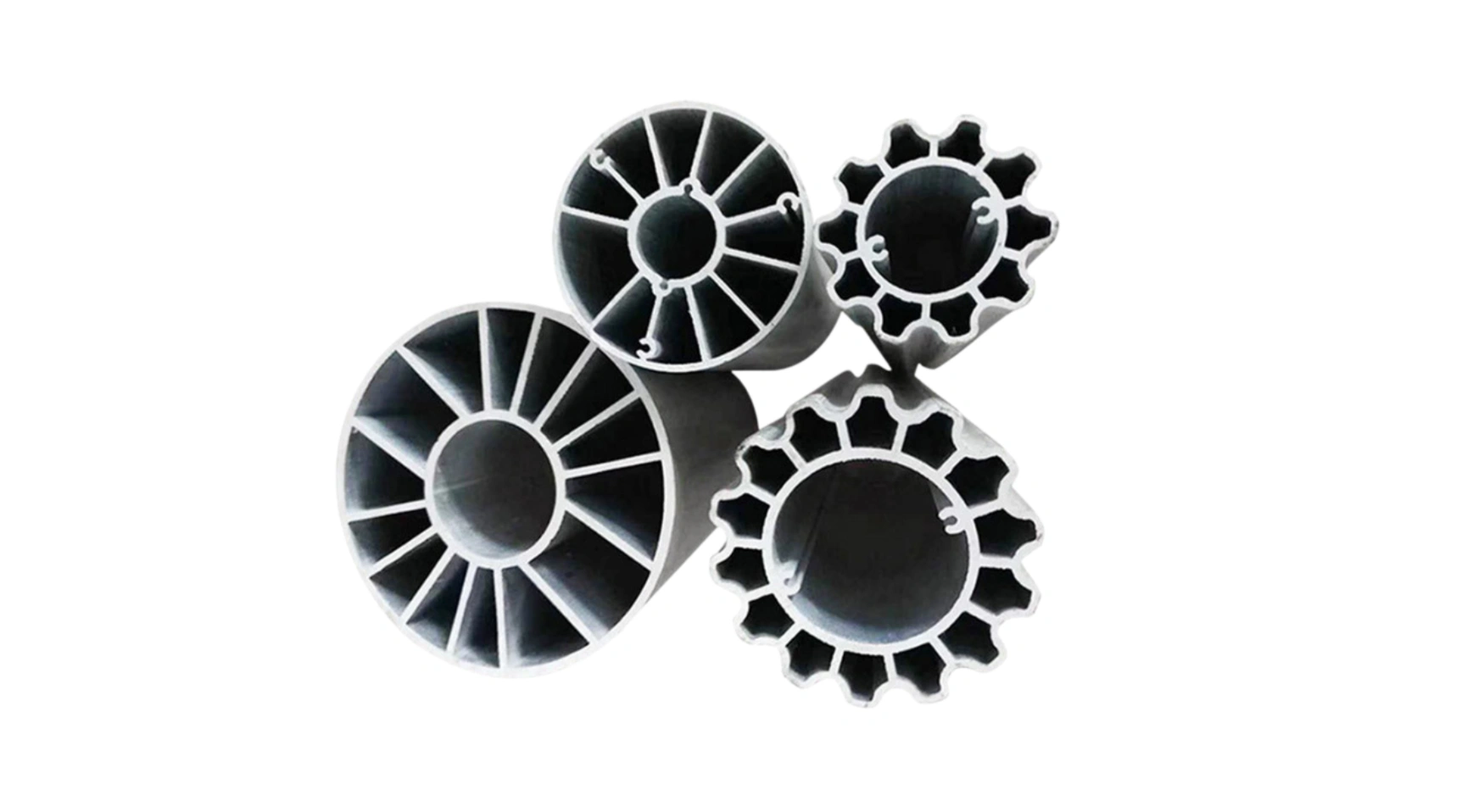
In the contemporary landscape of architecture, automotive engineering, and industrial manufacturing, aluminum has emerged as the “metal of the future.” Its transition from a simple raw material to a complex structural component is driven by one primary process: Aluminum Profile Extrusion.
Whether it is the curved glass facade of a futuristic skyscraper or the lightweight frame of an electric vehicle, the precision of the extrusion and the subsequent stretch bending determine the success of the project. This guide explores the technical intricacies of the aluminum forming process, from mold design to advanced surface finishing.
Architectural aluminum profiles are not pure aluminum; they are sophisticated alloys. By integrating small amounts of elements like magnesium and silicon (typically the 6000 series), manufacturers create a material that balances strength with workability.
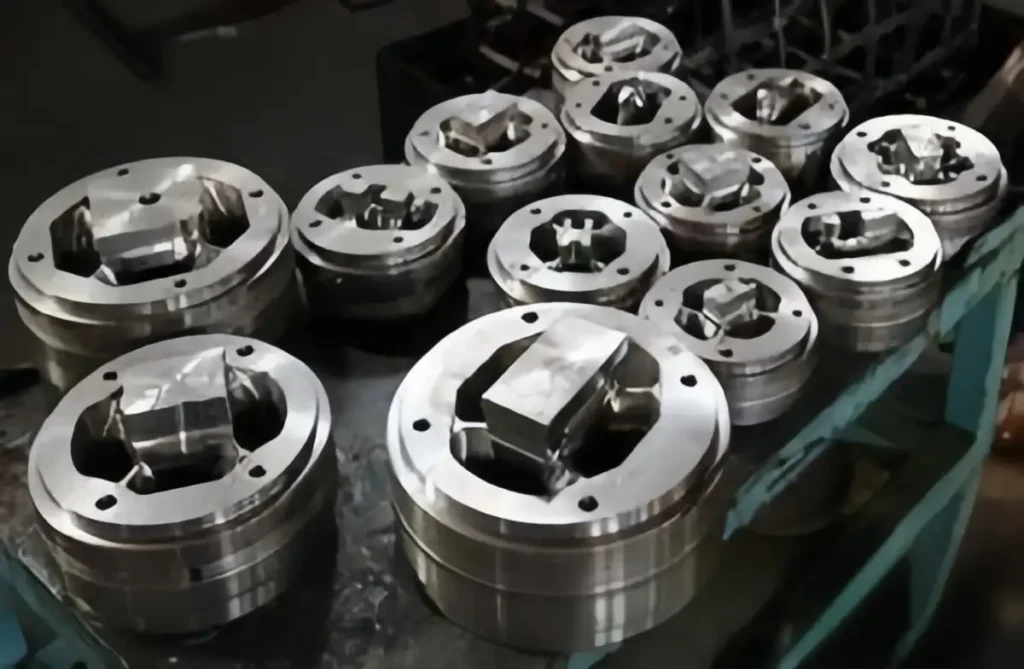
Before a single billet is heated, the success of the aluminum profile extrusion depends on the precision of the mold. The mold (or die) is the “DNA” of the final profile.
In the aluminum profile extrusion industry, utilizing existing molds is a strategic way to reduce “Time-to-Market.” For custom designs, manufacturers often negotiate mold fees based on order volume—essentially “refunding” the mold cost once a specific tonnage is reached.
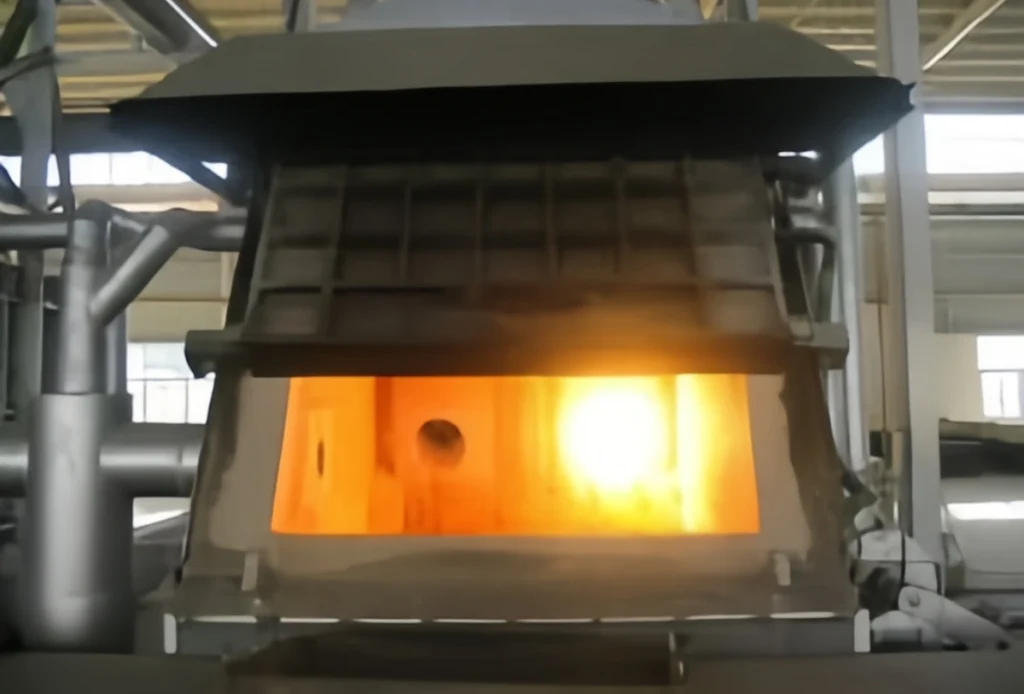
The “Billet” is the cylindrical log of aluminum used in the extrusion press.
Aluminum profile extrusion is the process of forcing a heated aluminum billet through a shaped die opening.
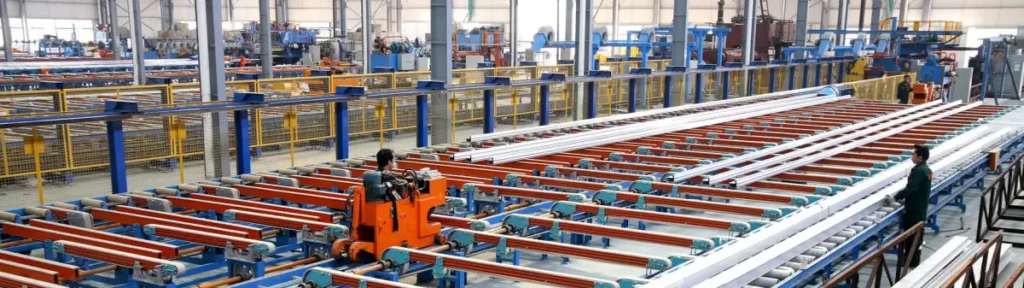
Hydraulic presses used in this industry range from 500 tons to over 6,000 tons.
While extrusion creates straight lengths, modern architecture often demands curves. This is achieved through Stretch Bending Technology.
Unlike traditional rolling, stretch bending involves pulling the aluminum profile to its yield point and then wrapping it around a mold. This method is superior because:
The quality of the aluminum profile extrusion directly impacts the bending results. If the wall thickness of the extrusion is inconsistent, the profile will twist during the stretch. Therefore, tight tolerances during the extrusion phase are non-negotiable for high-end curved projects.
Before any color is applied, the “extrusion lines” and surface oils must be removed.
The Typical Workflow:
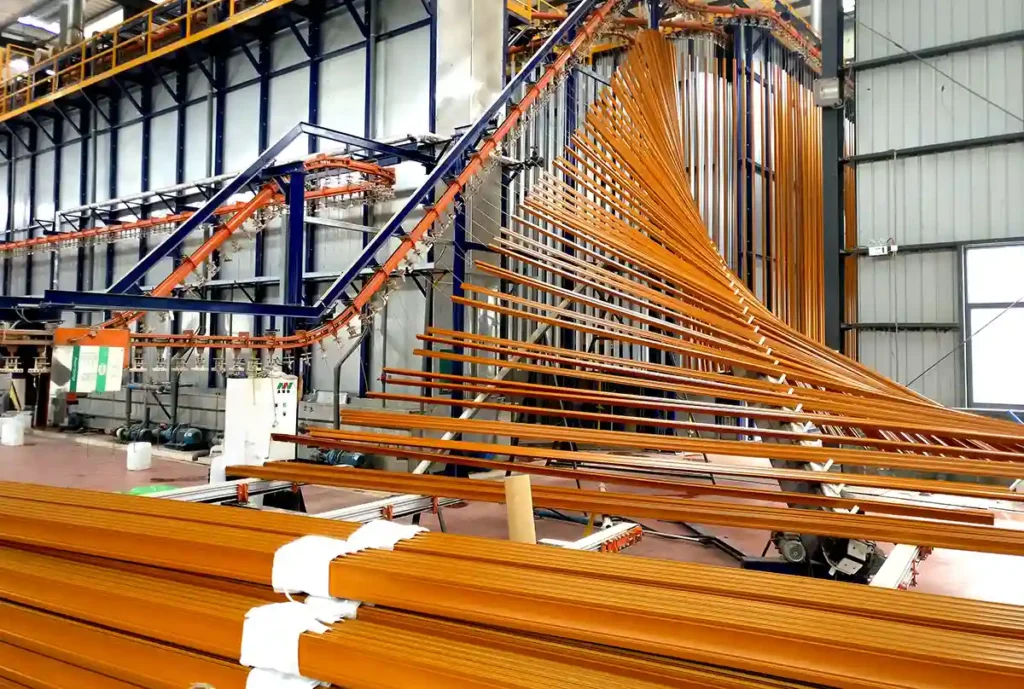
The finishing process enhances both the durability and the aesthetic of the aluminum profile extrusion.
Both use electrostatic high-voltage fields to attract paint particles to the profile.
Anodizing is an electrochemical process that thickens the natural oxide layer. It doesn’t sit on the metal; it is part of the metal. This makes it impossible to peel, providing a metallic finish that is incredibly durable.
This involves submerging the anodized profile in a resin solution. Using an electric current, the resin is deposited into every microscopic pore of the oxide layer. The result is a glass-smooth finish that is exceptionally resistant to scratches and environmental wear.
To meet modern green building codes, aluminum profile extrusion must address aluminum’s high thermal conductivity. This is done through “Thermal Breaks.”
This involves inserting a Polyamide (PA66) strip between two aluminum profiles.
A two-part polyurethane is poured into a specialized pocket in the extrusion. Once it hardens, the bottom “bridge” of aluminum is cut away, leaving the resin to act as the thermal barrier. This method is often preferred for its superior structural strength in high-load scenarios.
The journey from a raw aluminum ingot to a high-precision, curved, thermally efficient architectural component is a masterclass in engineering. By mastering aluminum profile extrusion and the nuances of stretch bending technology, manufacturers can push the boundaries of what is possible in modern design.
As we look toward 2025 and beyond, the integration of smart manufacturing and sustainable alloys will continue to refine these processes, ensuring that aluminum remains the backbone of our built environment.