Endereço
304 Norte Cardinal
St. Dorchester Center, MA 02124
Horas de trabalho
Segunda-feira a sexta-feira: 7h - 19h
Fim de semana: 10:00 - 17:00
Endereço
304 Norte Cardinal
St. Dorchester Center, MA 02124
Horas de trabalho
Segunda-feira a sexta-feira: 7h - 19h
Fim de semana: 10:00 - 17:00
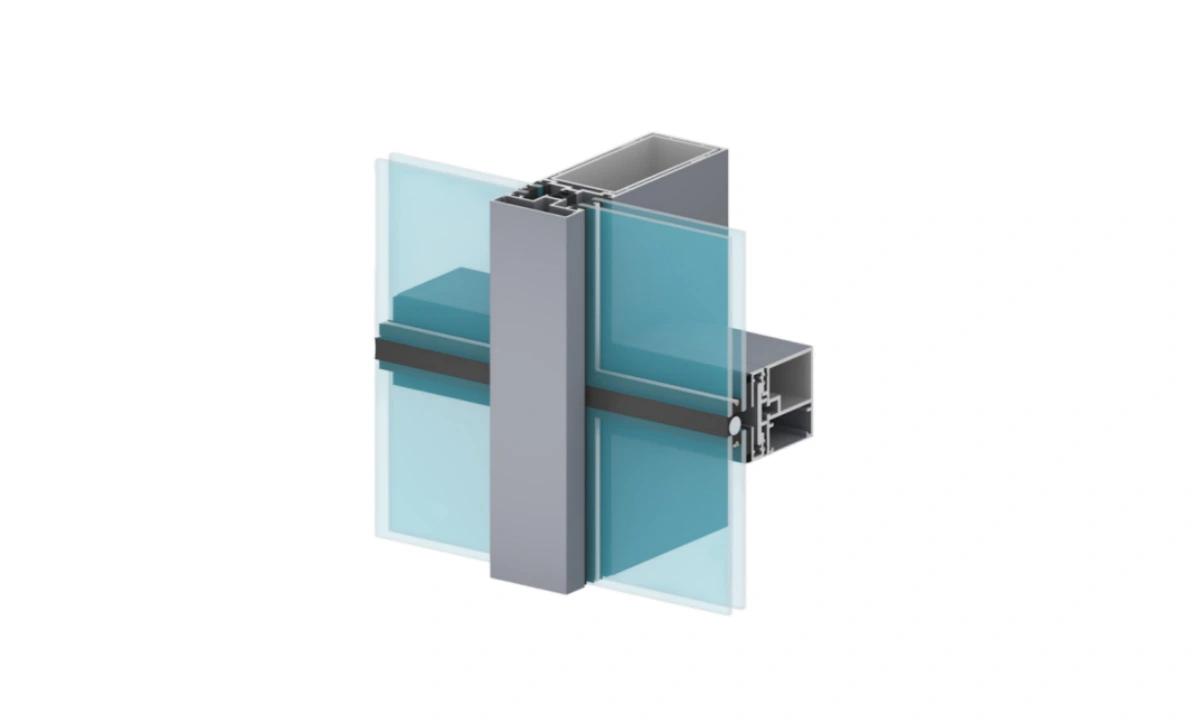
In the realm of modern architecture, the transition from rigid, boxy structures to fluid, organic forms has redefined urban skylines. At the heart of this aesthetic revolution lies a specialized manufacturing process: curtain wall profile stretch bending. As buildings become more complex, the demand for high-precision curved aluminum profiles has skyrocketed.
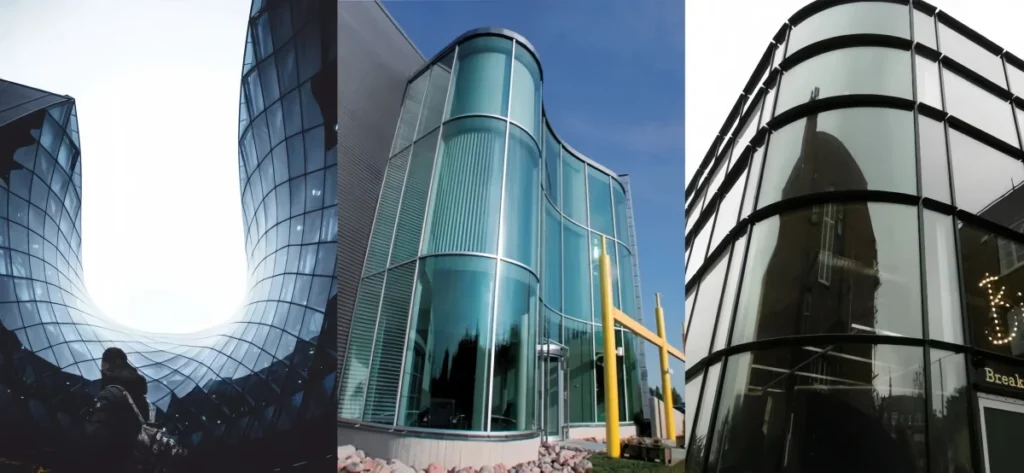
This guide explores the intricate world of aluminum stretch bending, the technical mechanics behind the process, and why it is the gold standard for creating iconic glass facades and curtain wall systems. Whether you are an architect, a facade engineer, or a project manager, understanding the nuances of stretch bending is essential for bringing visionary designs to life.
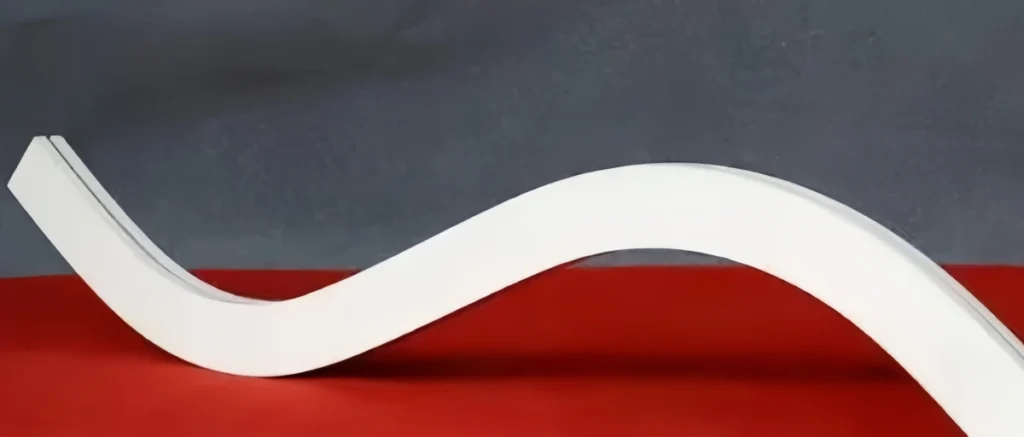
Curtain wall profile stretch bending is a metal forming process where an aluminum extrusion is stretched to its yield point and then wrapped around a forming die (mold) to create a specific radius or contour. Unlike traditional bending methods, stretch bending applies tension throughout the process, which significantly reduces internal stress and prevents common defects like wrinkling or cross-sectional distortion.
Aluminum (specifically alloys like 6063-T5 or 6061-T6) is the preferred material for curtain walls due to its high strength-to-weight ratio, corrosion resistance, and excellent formability. Stretch bending allows these rigid extrusions to take on complex curves while maintaining the structural integrity required to support massive glass panels and withstand wind loads.
To achieve the precision required for high-rise buildings, the stretch bending process follows a rigorous technical sequence:
The aluminum profile is securely gripped at both ends by hydraulic jaws. The machine applies a longitudinal “pre-stretch” force that brings the material to its plastic deformation state. This ensures the entire cross-section of the profile reacts uniformly to the bending force.
While under constant tension, the profile is wrapped around a precision-machined die. The die is crafted to the exact specifications of the architectural blueprint. Because the material is already in a plastic state, it conforms to the die’s shape with minimal resistance.
Once the bend is formed, a final “post-stretch” is often applied. This step sets the shape, further reducing “springback” (the tendency of metal to return to its original shape) and ensuring dimensional stability.
When dealing with curtain wall profiles, precision is non-negotiable. Here is how stretch bending compares to other common methods like roll bending or press bending:
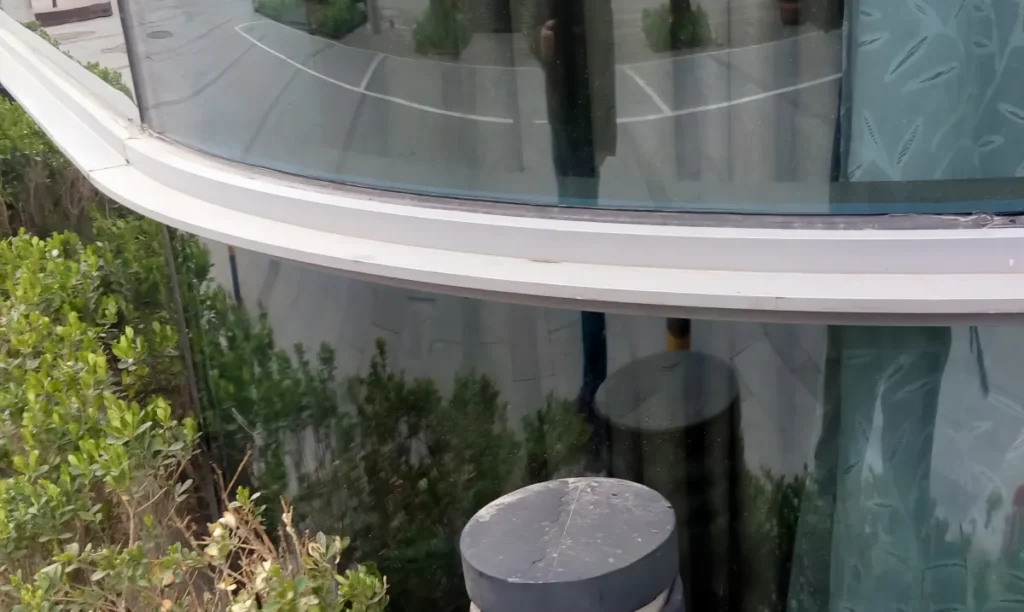
Bending a simple aluminum tube is one thing; bending a complex curtain wall extrusion with internal webs, screw ports, and thermal breaks is quite another.
Modern curtain wall profiles are engineered with internal chambers to provide structural support and drainage. During bending, these internal walls can collapse. High-end stretch bending facilities use internal mandrels or specialized flexible fillers to support the hollow sections of the profile from the inside out.
Sustainability is a key driver in modern construction. Many curtain walls use thermal break profiles—two aluminum extrusions joined by a polyamide (nylon) strip to prevent heat transfer. Bending these is notoriously difficult because the aluminum and the nylon have different elasticity levels. Advanced CNC stretch bending machines are required to ensure the bond between the two materials does not shear or fail during the curve.
The versatility of curtain wall profile stretch bending allows for a wide range of applications:
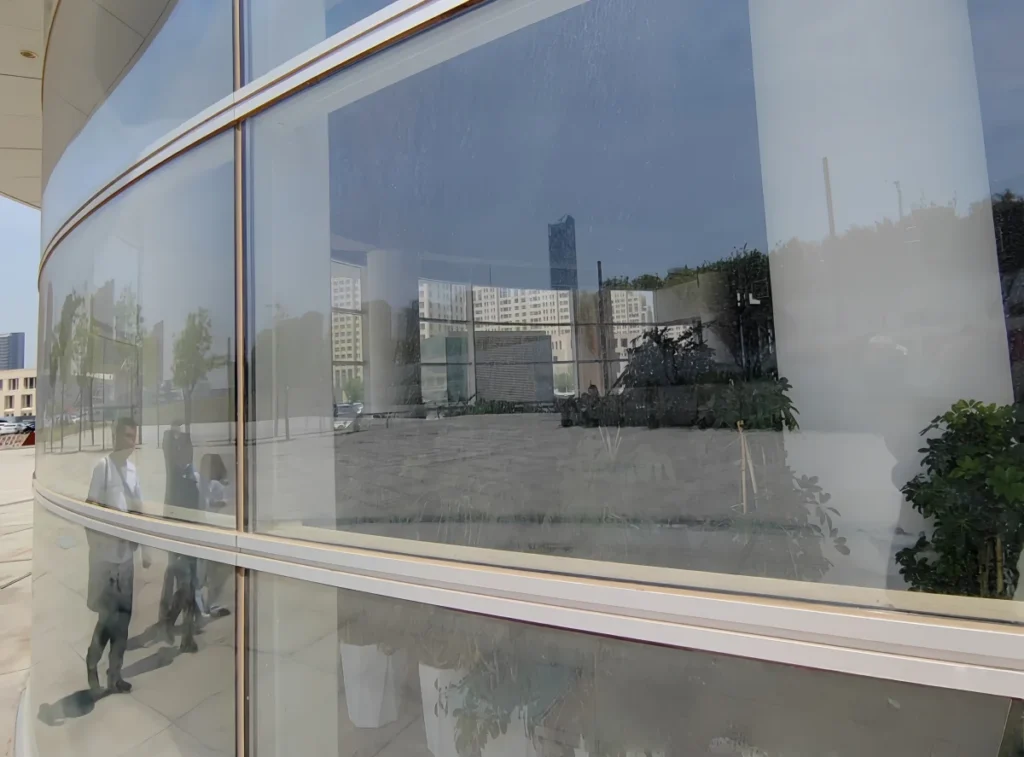
In SEO terms, “quality” is a high-ranking factor for B2B procurement. In manufacturing, it is a safety requirement. A professional stretch bending service must adhere to strict quality protocols:
If you are searching for a provider of curtain wall profile stretch bending, consider the following criteria:
Does the facility have multi-axis CNC stretch bending machines? CNC technology allows for “variable radius” bending, where a single piece of aluminum can have multiple different curves.
Not all aluminum is created equal. A partner should have deep expertise in handling 6000-series alloys and understand how different tempers (T4 vs. T6) affect the bending outcome.
A sign of a premium provider is their ability to create custom dies and internal mandrels in-house. This speeds up production and ensures the tooling is perfectly matched to your specific profile design.
As we look toward “Green Building” initiatives, the stretch bending industry is evolving:
Several variables influence the pricing of a stretch bending project:
Curtain wall profile stretch bending is the bridge between architectural imagination and structural reality. It is the technology that allows architects to move away from “the box” and toward fluid, organic, and inspiring urban environments. By combining the science of metallurgy with the precision of CNC engineering, stretch bending ensures that the most ambitious glass facades are not only beautiful but also safe, durable, and thermally efficient.
For your next landmark project, prioritizing high-quality aluminum stretch bending is the key to achieving a flawless finish that will stand the test of time.