Endereço
304 Norte Cardinal
St. Dorchester Center, MA 02124
Horas de trabalho
Segunda-feira a sexta-feira: 7h - 19h
Fim de semana: 10:00 - 17:00
Endereço
304 Norte Cardinal
St. Dorchester Center, MA 02124
Horas de trabalho
Segunda-feira a sexta-feira: 7h - 19h
Fim de semana: 10:00 - 17:00
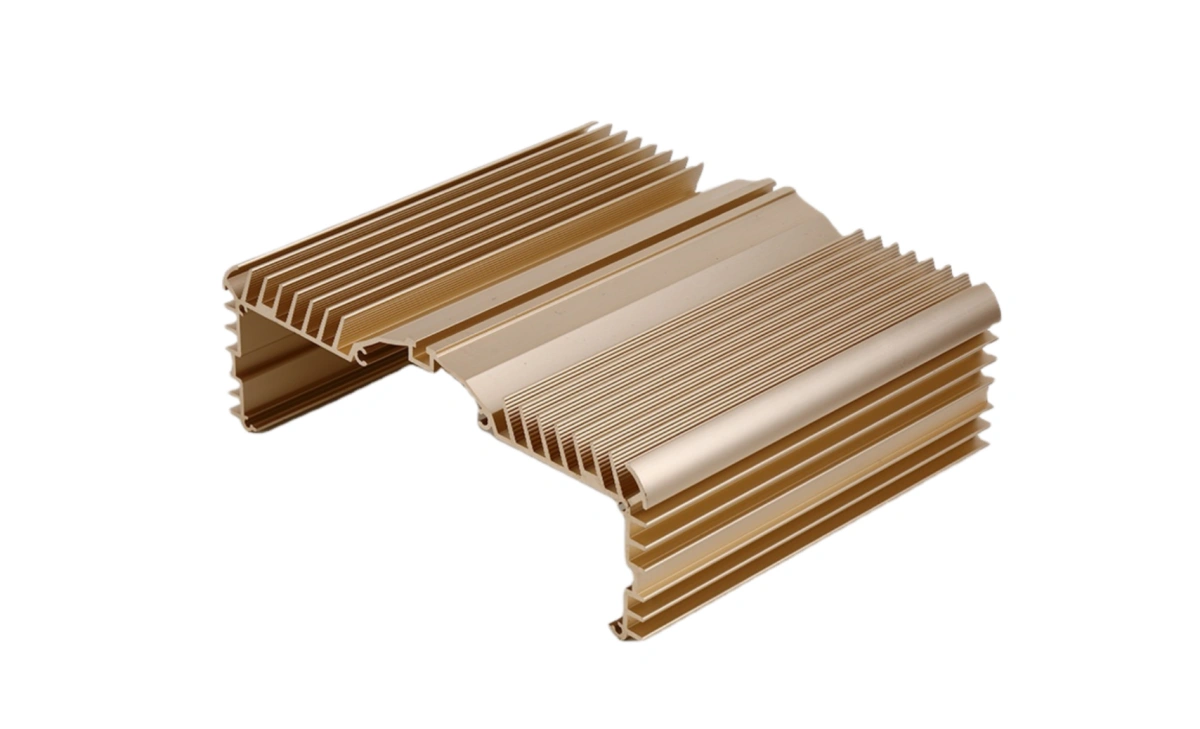
In the world of modern manufacturing and architecture, aluminum is a cornerstone material. However, its raw state—while naturally resistant to some corrosion—often falls short of the rigorous demands of industrial environments. This is where Aluminum Profiles Oxidation, commonly known as anodizing, becomes essential.
Anodizing is an electrochemical process that converts the metal surface into a decorative, durable, corrosion-resistant, anodic oxide finish. Unlike paint or plating, this oxide layer is fully integrated with the underlying aluminum substrate, meaning it cannot chip or peel. For industries ranging from aerospace to consumer electronics, understanding the intricacies of aluminum profiles oxidation is the key to product longevity and aesthetic excellence.
Aluminum profiles oxidation is not a mere surface coating; it is a controlled acceleration of a natural phenomenon. When exposed to oxygen, aluminum naturally forms a thin oxide layer. Anodizing thickens this layer significantly through electrolysis.
The process involves submerging the aluminum profiles into an acidic electrolyte bath and passing an electric current through the medium. In this setup:
Al2O3Al2O3).The overall chemical reaction can be summarized as:
At the anode, the formation of the layer occurs in two distinct ways: the creation of a barrier layer (dense and thin) and a porous layer (thicker and capable of being dyed).
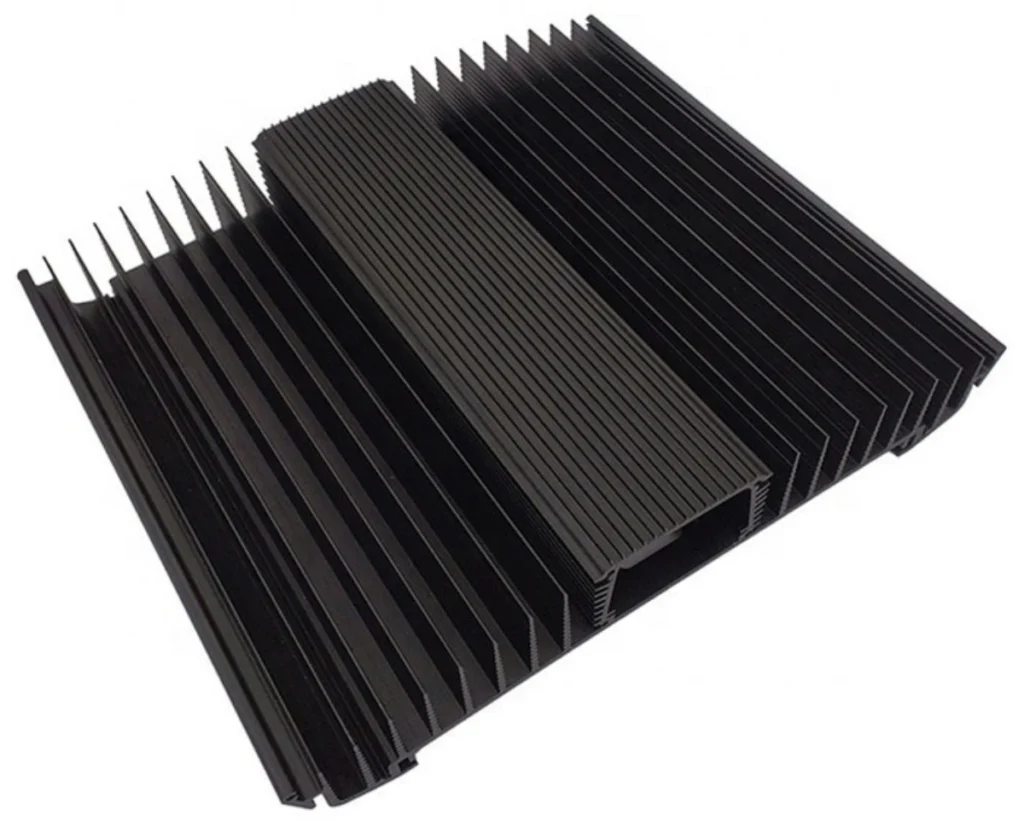
The success of aluminum profiles oxidation depends entirely on the cleanliness and texture of the raw material. Any surface contaminant—be it oil, dust, or fingerprints—will lead to defects in the final finish.
For specific textures, mechanical methods such as sandblasting, shot peening, or polishing are employed before the chemical stages. These processes enhance the fatigue resistance and surface hardness of the aluminum profiles.
To choose the right oxidation method, one must understand the standard classifications used globally.
Type I is the oldest form of anodizing. It produces the thinnest layer (0.5 to 2.5 microns).
This is the most common form of aluminum profiles oxidation. Using a sulfuric acid electrolyte, it creates a porous layer ranging from 2.5 to 25 microns.
As the name suggests, Type III produces a “hard” layer that is significantly thicker (over 25 microns, often up to 50+ microns) and denser than Type II.
Beyond the standard three types, specialized aluminum profiles oxidation processes cater to niche engineering needs.
Developed as an environmentally friendly alternative to Type I, BSAA offers similar corrosion protection and paint adhesion without the use of toxic chromic acid. It is now widely used in the Boeing aircraft manufacturing process.
PAA is specifically designed for structural bonding. The resulting oxide layer has a unique “whisker-like” morphology that provides a superior mechanical grip for adhesives and primers.
A hybrid of Type II, TFSAA uses a lower concentration of acid to produce a layer that balances fatigue strength with corrosion resistance. It is favored for parts subject to high cyclic stress.
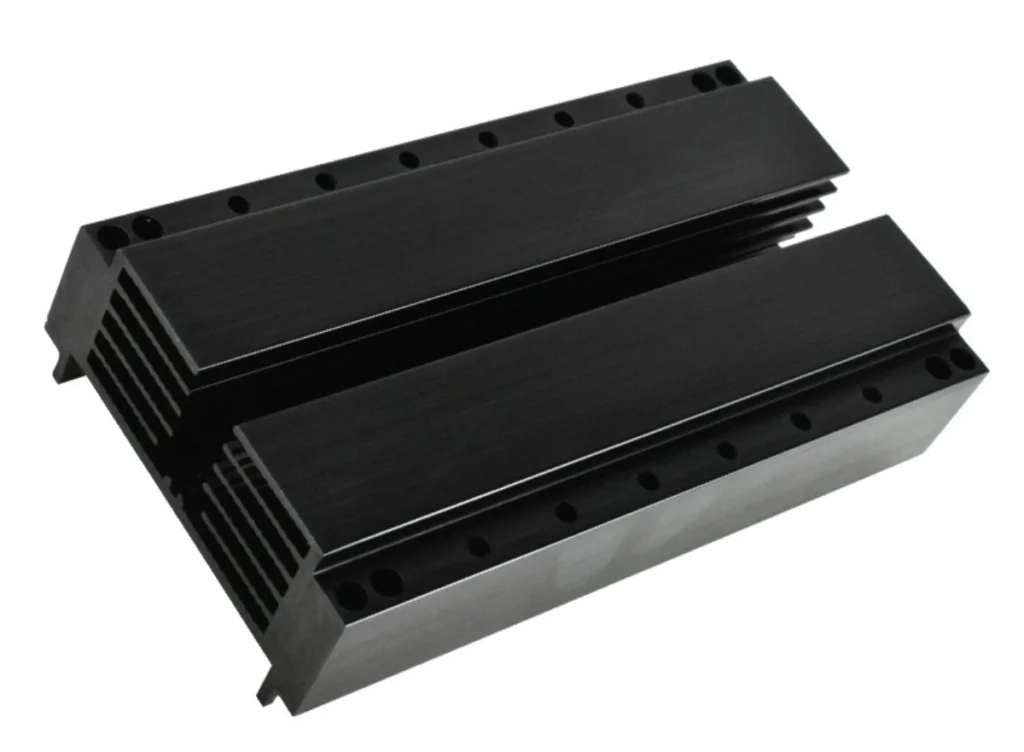
One of the primary reasons for choosing aluminum profiles oxidation is the ability to introduce vibrant, permanent colors.
After anodizing, the profile is placed in a bath containing metal salts (like tin or nickel). AC current deposits these metals into the bottom of the pores.
By modifying the pore structure using electrolysis, light can be reflected in ways that create blues, greens, and reds through optical interference. This provides a metallic, iridescent look without using traditional dyes.
The porous oxide layer acts like a sponge. Organic dyes can be absorbed into the pores to create almost any color imaginable—from vibrant gold to electric blue. While visually stunning, organic dyes are generally less UV-stable than inorganic electrolytic colors.
An unsealed anodized layer is porous and chemically active. To ensure the aluminum profile remains stain-resistant and durable, the pores must be closed.
The profile is submerged in deionized water at temperatures above .The aluminum oxide ( reacts with water to form Boehmite which expands and plugs the pores.
Performed at room temperature using nickel fluoride. This is more energy-efficient and faster than hot sealing, though it requires a brief aging period to reach maximum hardness.
Why choose oxidation over powder coating or PVDF painting?
| Caraterística | Anodizing (Oxidation) | Revestimento em pó |
| Durability | Integrated with metal; won’t peel. | Surface layer; can chip/flake. |
| Appearance | Metallic, translucent. | Opaque, solid colors. |
| Reciclabilidade | High; does not contaminate scrap. | Requires stripping/burning. |
| UV Resistance | High (Inorganic colors). | High, but can chalk over time. |
| Sustainability | Low VOCs; eco-friendly. | Contains resins; generates waste. |
In the modern “Green Building” era, Aluminum Profiles Oxidation is a standout process.
Even with high-end equipment, certain issues can arise during the oxidation of aluminum profiles:
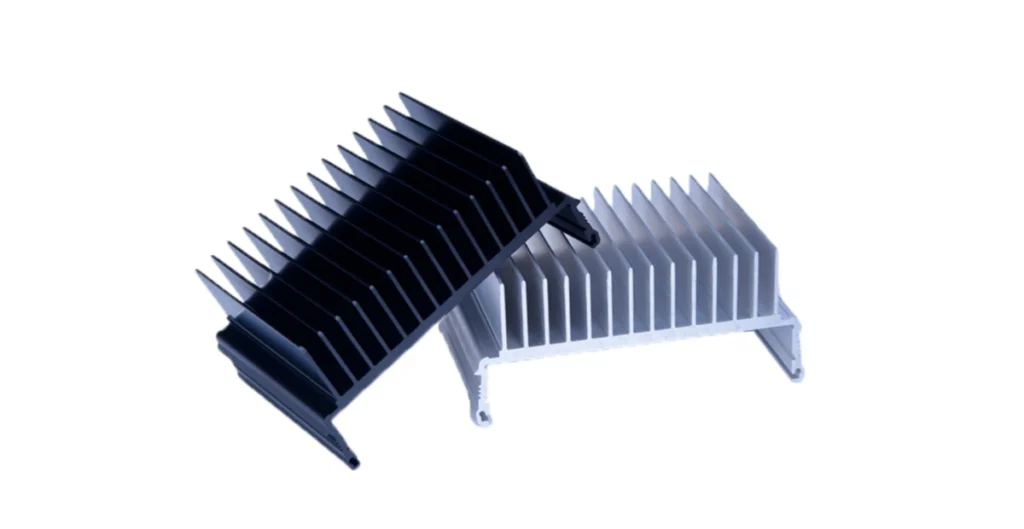
The demand for Aluminum Profiles Oxidation continues to grow as industries pivot toward lightweight, sustainable, and high-performance materials. From the sleek casing of a smartphone to the structural beams of a skyscraper, the anodized layer provides the necessary shield against the elements.
As an SEO-focused manufacturer or engineer, prioritizing high-quality oxidation not only ensures a superior product but also aligns with global standards for durability and environmental responsibility. Whether you require the aesthetic flexibility of Type II or the rugged utility of Type III Hardcoat, understanding this electrochemical mastery is the key to unlocking the full potential of aluminum.