주소
304 북쪽 추기경
세인트 도체스터 센터, MA 02124
근무 시간
월요일~금요일: 오전 7시~오후 7시
주말: 주말: 오전 10시 - 오후 5시
주소
304 북쪽 추기경
세인트 도체스터 센터, MA 02124
근무 시간
월요일~금요일: 오전 7시~오후 7시
주말: 주말: 오전 10시 - 오후 5시
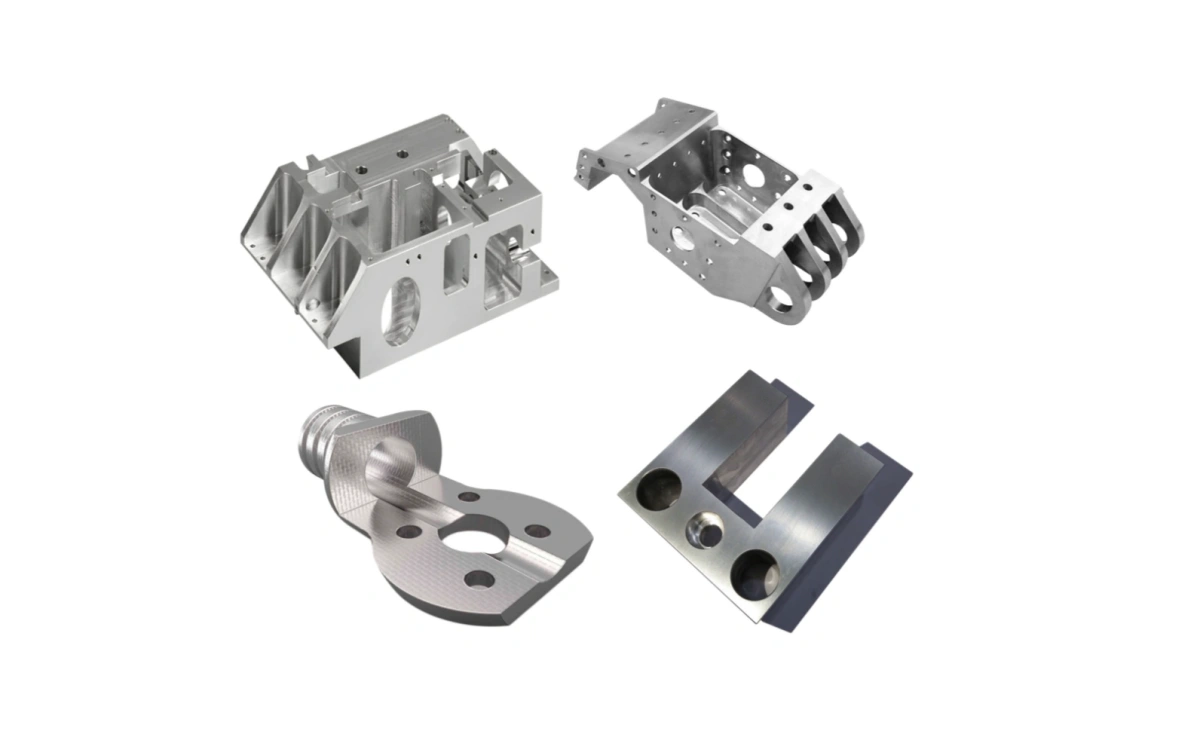
In the rapidly evolving landscape of global industrial manufacturing, the demand for lightweight, high-strength, and corrosion-resistant components has never been higher. As industries move toward smarter, more efficient production cycles, the synergy between high-grade aluminum extrusions and Computer Numerical Control (CNC) technology has become the backbone of modern engineering.
Aluminum Profile CNC Machining is not merely a subtractive manufacturing process; it is a critical enabling technology that bridges the gap between raw material flexibility and the extreme precision required by high-tech sectors. From the structural frames of electric vehicles to the intricate heat sinks of 5G base stations, CNC Machining provides the surgical accuracy necessary to meet the most demanding specifications. In this guide, we will explore the technical nuances, advantages, and future trends of Aluminum Profile CNC Machining, explaining why it is the preferred choice for engineers worldwide.
To understand the importance of Aluminum Profile CNC Machining, one must first understand the starting material. An aluminum profile is created through extrusion—forcing aluminum alloy through a shaped die to create a consistent cross-section. While extrusion provides the general shape.
Aluminum Profile CNC Machining refers to the automated process where computer-coded instructions (G-code) guide cutting tools to mill, drill, tap, and cut these extruded profiles. Unlike machining from a solid block of metal, CNC Machining works with “near-net-shape” parts. This means the material is already close to the final design, and the Aluminum Profile CNC Machining process focuses on adding high-precision features like mounting holes, slots, and complex surface geometries.
By utilizing Aluminum CNC Machining, manufacturers can achieve tolerances as tight as ±0.01mm, transforming a simple structural extrusion into a sophisticated component ready for assembly in aerospace or medical devices.
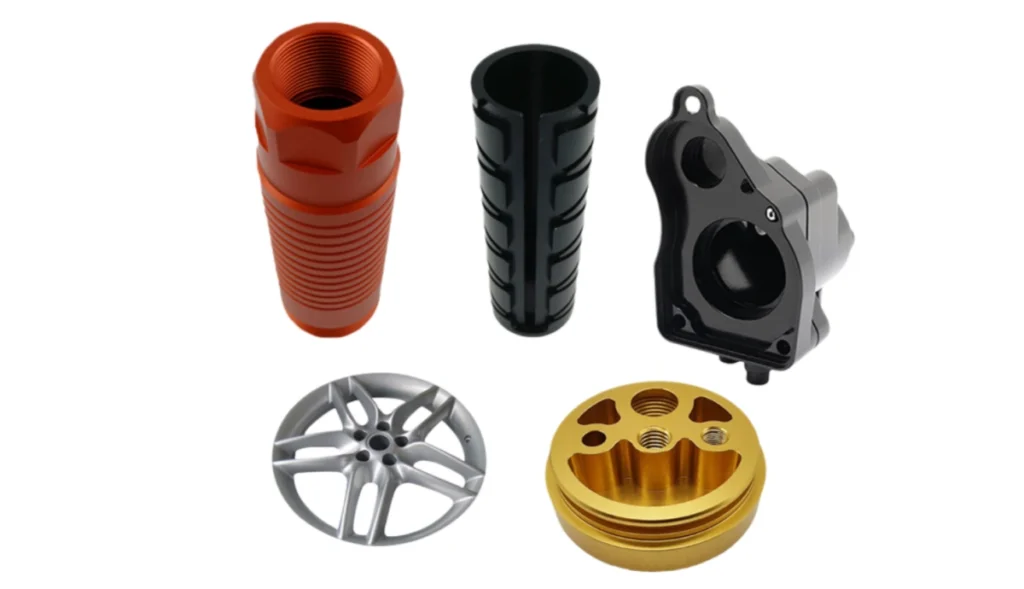
The transition from manual machining to CNC Machining has redefined industrial efficiency. Here are the primary reasons why Aluminum CNC Machining is superior to traditional methods:
In modern manufacturing, consistency is king. Aluminum Profile CNC Machining eliminates human error by following digital blueprints with absolute fidelity. Whether you are producing ten units or ten thousand,CNC Machining ensures that every single part is identical. For high-stakes applications like 5G active antenna units, where flatness must be maintained over long lengths,CNC Machining is the only reliable solution.
Because it starts with a profile rather than a solid billet, Aluminum Profile CNC Machining is inherently more efficient. There is significantly less material to “remove,” which means faster cycle times and less energy consumption. The speed of CNC Machining centers—often reaching 20,000 RPM—allows for rapid material removal, turning raw extrusions into finished parts in a fraction of the time required by other methods.
One of the greatest strengths of Aluminum Profile CNC Machining is its “mould-free” nature. While casting or stamping requires expensive dies that take weeks to produce, CNC Machining is software-driven. If a design change is needed, the engineer simply updates the CAD file and the CNC Machining program. This makes it the ideal choice for rapid prototyping and small-to-medium batch production.
The success of CNC Machining is deeply tied to the specific alloy being used. Different alloys react differently to the cutting tools used in the CNC Machining process.
The 6061 alloy is the most common choice for Aluminum Profile Machining. It offers excellent mechanical properties, good weldability, and is highly resistant to corrosion. During the Aluminum Profile Machining process, 6061 produces clean chips and a smooth surface finish, making it the “go-to” for industrial frames and structural parts.
Often used in architectural and consumer electronics, 6063 is slightly softer than 6061 but offers a superior surface finish. When performing CNC Machining on 6063, machinists can achieve mirror-like qualities, which is essential for visible parts like laptop housings or window frames.
For applications requiring the highest strength-to-weight ratio, 7075 is the preferred alloy for Aluminum Profile Machining. Though it is more difficult and expensive to machine, its strength is comparable to steel. This makes CNC Machining of 7075 profiles a staple in the aerospace and defense industries.
High-quality CNC Machining is a systematic journey from a digital concept to a physical reality.
Everything starts with a 3D CAD model. However, “Design for Manufacturing” (DFM) is critical for successful CNC Machining. Engineers must ensure that the profile can be properly clamped and that the tools can reach all necessary features without interference.
Next, the CAD model is imported into CAM software. This is where the Aluminum CNC Machining toolpaths are generated. The programmer must decide the cutting speed, feed rate, and the order of operations to maximize efficiency and tool life.
Securing the material is one of the most challenging parts of CNC Machining. Because profiles are often long and hollow, they can vibrate or deform. Specialized vacuum fixtures or pneumatic clamps are used in CNC Machining centers to hold the part perfectly still.
The Aluminum Profile CNC Machining center then executes the program. Common operations include:
After the Aluminum Profile Machining is complete, parts often undergo deburring to remove sharp edges. They may then proceed to surface treatments like anodizing or powder coating to enhance the results of the CNC Machining process.
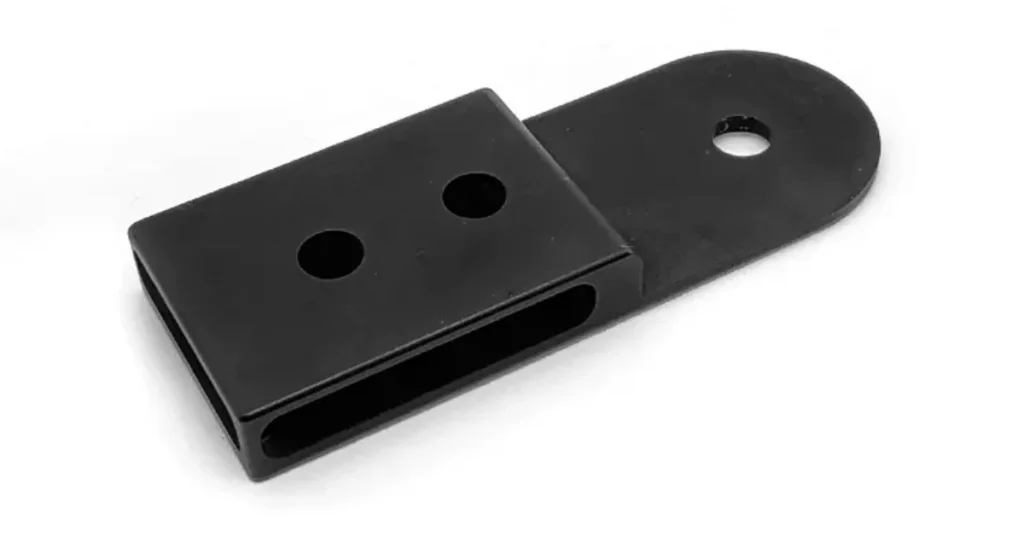
Despite its advantages, CNC Machining presents unique technical hurdles that only experienced professionals can navigate.
Aluminum has a high coefficient of thermal expansion. As the tool cuts, friction creates heat, which can cause the profile to expand. If not managed, this expansion can ruin the accuracy of the Aluminum Profile CNC Machining. Professional shops use high-volume flood coolant to keep the material at a constant temperature throughout the Aluminum CNC Machining cycle.
Thin-walled profiles are prone to vibration, known as “chatter,” during Aluminum Profile CNC Machining. This can leave unsightly marks on the surface. To solve this, Aluminum Profile Machining experts use specialized tooling with variable helix angles and custom-built jigs to dampen the vibration.
Aluminum is a “sticky” metal. During Aluminum Profile CNC Machining, chips can weld themselves to the cutting tool, leading to tool breakage. Using polished-flute end mills and proper lubrication is essential for maintaining the flow of Aluminum Profile CNC Machining.
The versatility of Aluminum Profile Machining has made it indispensable across a wide range of modern industries.
The EV industry relies heavily on Aluminum Profile Machining to reduce vehicle weight and extend battery range. Battery trays, motor housings, and crash management systems are all products of high-precision Aluminum Profile CNC Machining. The tight tolerances ensured by Aluminum CNC Machining are vital for the safety and performance of these vehicles.
5G base stations generate significant heat. Aluminum Profile CNC Machining is used to create massive, intricate heat sinks with hundreds of thin fins. The precision of Aluminum Profile CNC Machining ensures that the mating surfaces between the electronics and the heat sink are perfectly flat for maximum thermal transfer.
In aerospace, every gram counts. Aluminum CNC Machining allows for “lightweighting”—the process of removing material from the center of structural profiles without compromising strength. Many seat tracks and fuselage ribs are created using specialized Aluminum Profile CNC Machining techniques.
Robotic arms and automated production lines are often built on a framework of aluminum profiles. Aluminum CNC Machining provides the precise mounting points for sensors, motors, and linear rails that allow these machines to operate with micron-level accuracy.
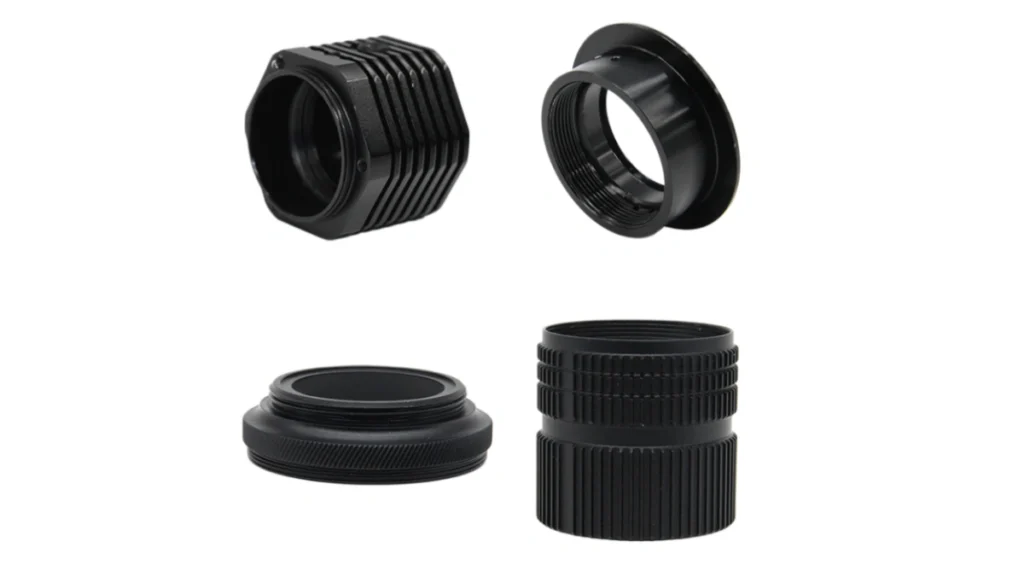
Once the Aluminum Profile CNC Machining is complete, surface finishing is often required to protect the part or improve its appearance.
Not all CNC shops are equipped for Aluminum Profile CNC Machining. When selecting a vendor, consider these critical factors:
The future of Aluminum Profile CNC Machining is defined by digitalization and sustainability. We are now seeing the rise of “Smart CNC Machining,” where AI algorithms predict tool wear and optimize cutting paths in real-time. This reduces the energy footprint of the CNC Machining process and ensures even higher quality.
A: Aluminum Profile CNC Machining offers much tighter tolerances and superior structural strength compared to casting. Additionally.
A: Depending on the equipment, some specialized Aluminum Profile CNC Machining centers can handle profiles up to 6 or 10 meters in length, though standard machines usually stop at 3 meters.
A: The cost of Aluminum Profile Machining depends on the complexity of the part, the alloy used, and the volume of the order. However, starting with a profile usually makes it more cost-effective than machining from a solid block.
In conclusion, Aluminum Profile Machining is the essential bridge between raw material and high-performance engineering. By offering unmatched precision, efficiency, and flexibility, CNC Machining has become a cornerstone of modern industrial progress. Whether you are developing the next generation of electric vehicles or building the infrastructure for global telecommunications, the quality of your CNC Machining will define the success of your product.