주소
304 북쪽 추기경
세인트 도체스터 센터, MA 02124
근무 시간
월요일~금요일: 오전 7시~오후 7시
주말: 주말: 오전 10시 - 오후 5시
주소
304 북쪽 추기경
세인트 도체스터 센터, MA 02124
근무 시간
월요일~금요일: 오전 7시~오후 7시
주말: 주말: 오전 10시 - 오후 5시
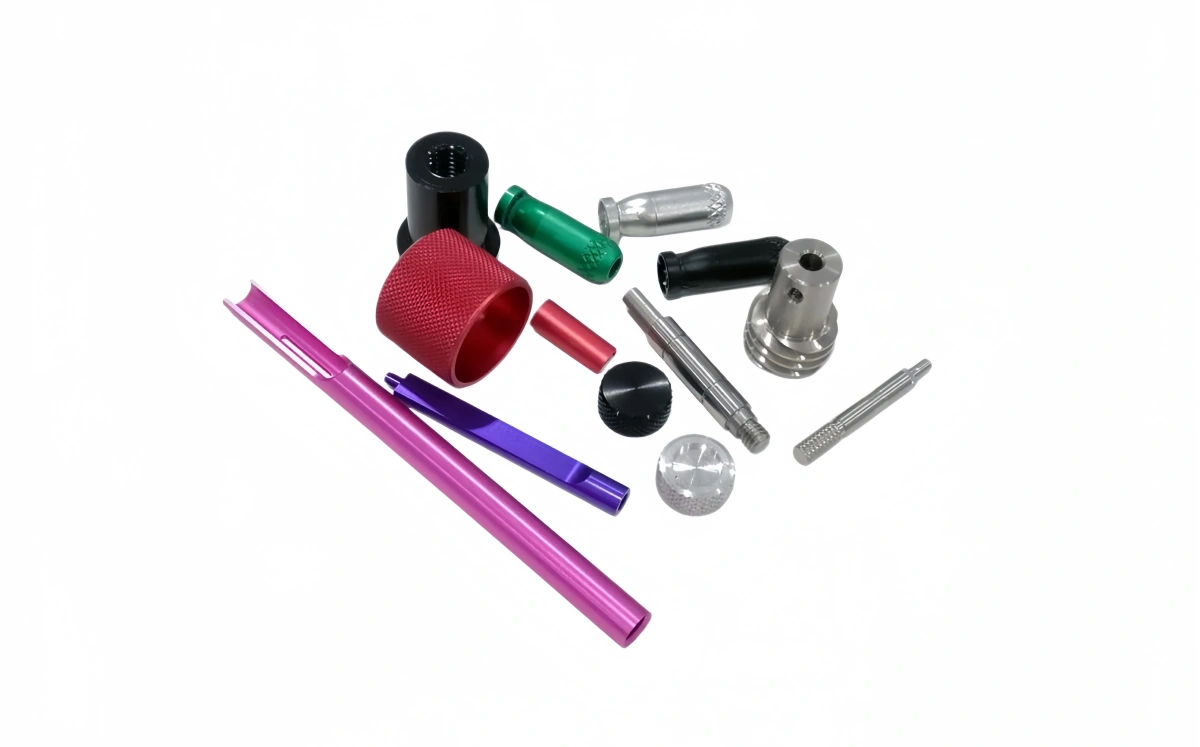
Aluminum profiles are widely favored in modern construction, industrial manufacturing, new energy equipment, rail transit, and smart home industries due to their lightweight structure, high strength, excellent ductility, and reliable machinability. As a versatile metal material, pure aluminum can be easily processed into various shapes and structures to fit diverse engineering and product design requirements. However, pure aluminum materials feature extremely active chemical properties, which are prone to natural oxidation, surface corrosion, dark discoloration, and even pitting when exposed to air, moisture, and acid-base environments for a long time. Without professional protective treatment, bare aluminum profiles will gradually lose their metallic luster, suffer from surface aging, and reduce structural stability, greatly shortening their service life. Aluminum profile anodizing is a mature and high-value electrochemical surface treatment technology that perfectly solves the inherent defects of bare aluminum. This professional process artificially forms a dense, thick, and tightly bonded protective oxide layer on the profile surface, effectively improving corrosion resistance, wear resistance, scratch resistance, and outdoor weather resistance, while providing rich and diverse decorative color effects. This article comprehensively introduces the core working technology, standardized production process, classification standards by film thickness, mainstream color systems, and unique application advantages of aluminum profile anodizing, providing systematic and professional references for engineering procurement, technical design, and customized processing production.
Aluminum profile anodizing is a professional electrochemical surface forming technology, which is fundamentally different from natural oxidation and traditional spraying or electrophoresis treatment. Natural oxidation only forms an ultra-thin and loose protective film that cannot resist daily wear and environmental erosion, while spraying and electrophoresis only attach external coatings that are easy to peel off and blister. The core working principle of aluminum profile anodizing is to fix the cleaned aluminum profile as the anode and place it in a low-temperature acidic electrolyte solution with stable concentration. After applying continuous and controllable current and voltage, a uniform, dense, and high-adhesion artificial aluminum oxide film is gradually grown on the profile surface through electrochemical reaction. Unlike the thin and fragile natural oxide layer of bare aluminum, the oxide film formed by aluminum profile anodizing has controllable thickness, stable molecular structure, and strong sealing performance. The oxide layer is integrally combined with the aluminum substrate without boundary separation, which will not peel off, powder, or fall off in long-term daily and industrial use.
The complete technological process of aluminum profile anodizing includes strict standardized procedures, and every tiny link affects the final surface quality and stability of finished products. The whole process covers substrate pretreatment, degreasing and deoiling, alkali washing and natural film removal, neutralization and ash removal, multi-times pure water cleaning, low-temperature power-on oxidation, hole sealing, and constant-temperature drying. Professional manufacturers will strictly control key parameters such as current intensity, electrolyte solution temperature, oxidation time, and liquid concentration according to different aluminum alloy materials and customized film thickness standards. The biggest feature of this process is that the in-situ grown oxide film is completely integrated with the aluminum matrix, achieving far better durability, adhesion and protection performance than painting, electrophoresis, and other conventional surface treatment methods.
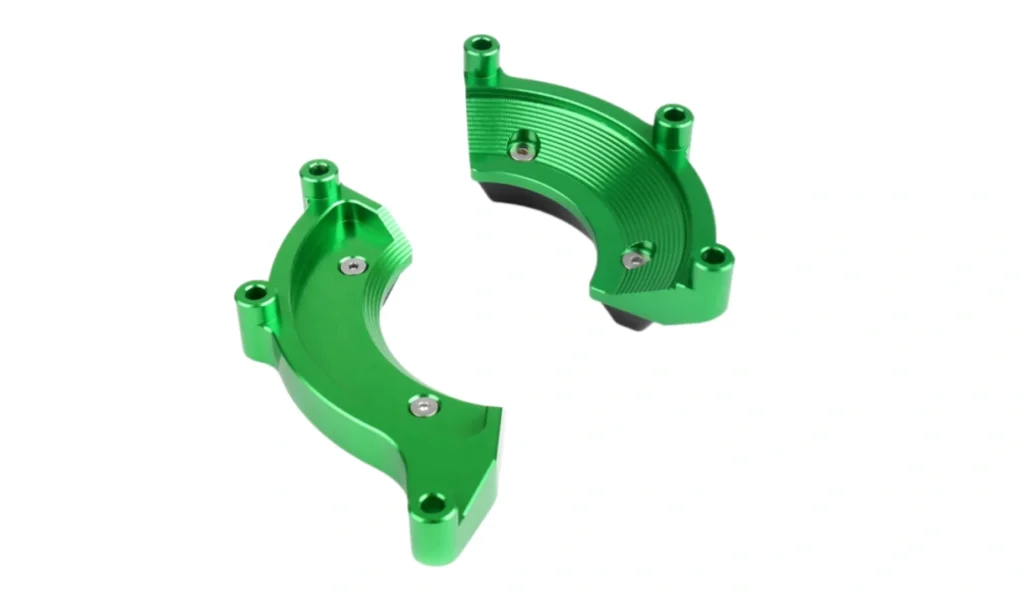
According to national and international industrial production standards, aluminum profile anodizing is scientifically divided into three core categories based on oxide film thickness, process parameters, production difficulty, and practical application scenarios. Different grades of anodizing processes correspond to different anti-corrosion, wear-resistant and weather-resistant performance, accurately meeting the targeted protection and aesthetic use requirements of different indoor, semi-outdoor and harsh outdoor working environments.
Thin-film anodizing is the most basic, cost-effective and widely used type of aluminum profile anodizing, with a standard industrial film thickness ranging from 5μm to 10μm. This process adopts conventional room-temperature oxidation parameters, featuring high production efficiency, low comprehensive cost and stable finished quality. The processed profile surface is delicate, smooth and uniform without obvious flaws, blemishes or granular impurities. It is mainly suitable for aluminum profiles used in dry and stable indoor environments, including indoor door and window profiles, smart home aluminum accessories, office partition frames, ordinary industrial equipment frames, and internal decorative profiles. It can perfectly meet basic anti-oxidation, anti-discoloration and slight wear resistance needs for long-term indoor use.
With a standard film thickness of 10μm to 15μm, medium-thick film anodizing is the most versatile and mainstream aluminum profile anodizing technology in the current market. Compared with thin-film anodized products, its oxide layer is denser in molecular structure, higher in surface hardness, and significantly improved in corrosion resistance, scratch resistance and weather resistance. It can stably adapt to semi-outdoor environments with mild humidity, temperature change and weak acid and alkali erosion. It is commonly applied to outdoor architectural decorative profiles, building curtain wall keels, new energy equipment brackets, assembly line industrial aluminum materials, kitchen and bathroom moisture-proof aluminum profiles, and outdoor light decorative structures, balancing excellent comprehensive performance and economic benefits.
Hard anodizing is a high-end special grade of aluminum profile anodizing process, with a conventional film thickness of 15μm to 25μm, and customized thicker films are available for special industrial needs. Different from conventional anodizing, this technology adopts strict low-temperature power-on oxidation process and high-current parameters. The formed oxide film has ultra-high surface hardness, strong compression and impact resistance, excellent friction wear resistance, and stable insulation and high-temperature resistance. This process can cope with extremely harsh working conditions such as long-term high-frequency friction, strong chemical corrosion, and alternating high and low temperatures. It is widely used in high-precision industrial fields including automotive structural parts, aerospace aluminum components, mechanical wear-resistant accessories, hydraulic equipment structural parts and automated precision equipment.
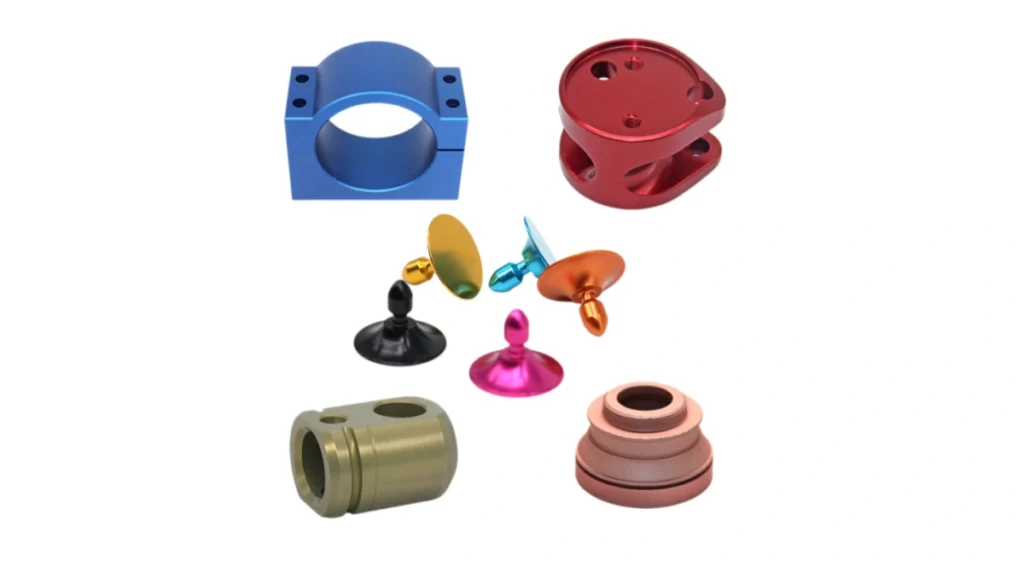
One of the most prominent core advantages of aluminum profile anodizing is rich and stable color customization capability. After the completion of conventional oxidation film formation, the profiles can be processed by professional electrolytic coloring and organic dyeing processes, matching different popular color tones to present diverse delicate metallic textures. All customized colors feature ultra-strong film adhesion, uniform coloring, excellent outdoor weather resistance, and long-term fade and discoloration resistance, which can maintain stable appearance effects for many years. The mainstream mature color systems widely used in the industry are classified in detail as follows:
Natural silver is the most classic and universal color of aluminum profile anodizing, retaining the original delicate metallic texture of aluminum materials without additional dyeing treatment. The finished surface is uniform, clean, and elegant, with super strong outdoor weather resistance. It is suitable for almost all indoor and outdoor architectural profiles and industrial equipment frames, becoming the preferred color for most engineering projects due to its simplicity and durability.
Black series is a high-end mainstream color for aluminum profile anodizing, divided into bright black and matte black. The matte black finish has no reflective glare, with a low-key and luxurious texture, anti-fingerprint and dust-proof performance. It is widely used in smart home aluminum parts, precision equipment shells, high-end door and window profiles, and automotive decorative aluminum structures, perfectly matching modern minimalist and high-end industrial design styles.
Champagne color is a warm and light luxury color formed by professional aluminum profile anodizing treatment. It has a soft tone and delicate metallic luster, not exaggerated or dazzling. This color is mainly used for home decoration scenarios, including indoor doors and windows, balcony guardrails, curtain wall decoration, and high-end home furnishing aluminum accessories, adapting to various modern and light luxury decoration styles.
Bronze and copper red are retro texture colors of aluminum profile anodizing, with layered and three-dimensional metallic texture. The colored oxide film has strong sun resistance and wear resistance, not easy to fade or oxidize. It is widely used in Chinese-style architectural curtain walls, antique door and window projects, landscape decorative aluminum profiles, and high-end engineering decoration fields, combining retro aesthetics and practical performance.
Golden anodized aluminum profiles have bright and transparent luster with a strong luxurious metallic feeling. After strict hole sealing treatment, the surface has stable anti-oxidation ability and will not darken or fade for a long time. It is mostly used for high-end architectural modeling, aluminum art crafts, exhibition hall decoration, and luxury furniture accessories, improving the overall grade of decorative projects.
Gray series is a modern minimalist mainstream color for aluminum profile anodizing, featuring high-end appearance, dirt resistance, and excellent outdoor weather resistance. With a calm and versatile tone, it integrates industrial style and modern aesthetics. It is widely used in outdoor curtain wall engineering, rail transit equipment, large industrial machinery, and outdoor guardrail facilities, suitable for various harsh outdoor working environments.
Compared with other common aluminum surface treatment processes such as powder spraying, liquid painting, electrophoresis, and mechanical polishing, aluminum profile anodizing has irreplaceable comprehensive performance advantages. Different from the attached coating of spraying and electrophoresis, the oxide film formed by aluminum profile anodizing grows in situ on the aluminum substrate, forming an integrated structure without delamination. It completely avoids common problems such as peeling, blistering, powder falling and layer separation in traditional coating processes. In addition, it has outstanding long-term weather resistance, high surface hardness, excellent corrosion resistance, stable insulation performance and anti-fouling ability. Moreover, with rich customizable color options and long-term color fastness, aluminum profile anodizing can meet both functional protection and high-standard decorative needs, making it the preferred process for both high-end decorative aluminum profiles and industrial functional aluminum materials.
As a core and mature surface treatment technology in the aluminum processing industry, aluminum profile anodizing effectively makes up for the inherent defects of easy oxidation, discoloration and poor wear resistance of pure aluminum profiles. With standardized and graded process classification and rich and diverse stable color systems, it perfectly meets the dual needs of industrial equipment functional protection and architectural decoration aesthetic design. With the continuous upgrading of CNC precision processing equipment and the optimization of electrolyte formula and process parameters, the precision, stability and yield of aluminum profile anodizing have been greatly improved. At present, this reliable surface treatment process has been widely popularized in construction, industrial manufacturing, new energy, rail transit and smart home industries, providing high-quality, stable, anti-aging and long-life surface protection solutions for modern aluminum profile application scenarios.