住所
304ノース・カーディナル
セント・ドーチェスター・センター(マサチューセッツ州02124
勤務時間
月曜日~金曜日:午前7時~午後7時
週末午前10時~午後5時
住所
304ノース・カーディナル
セント・ドーチェスター・センター(マサチューセッツ州02124
勤務時間
月曜日~金曜日:午前7時~午後7時
週末午前10時~午後5時
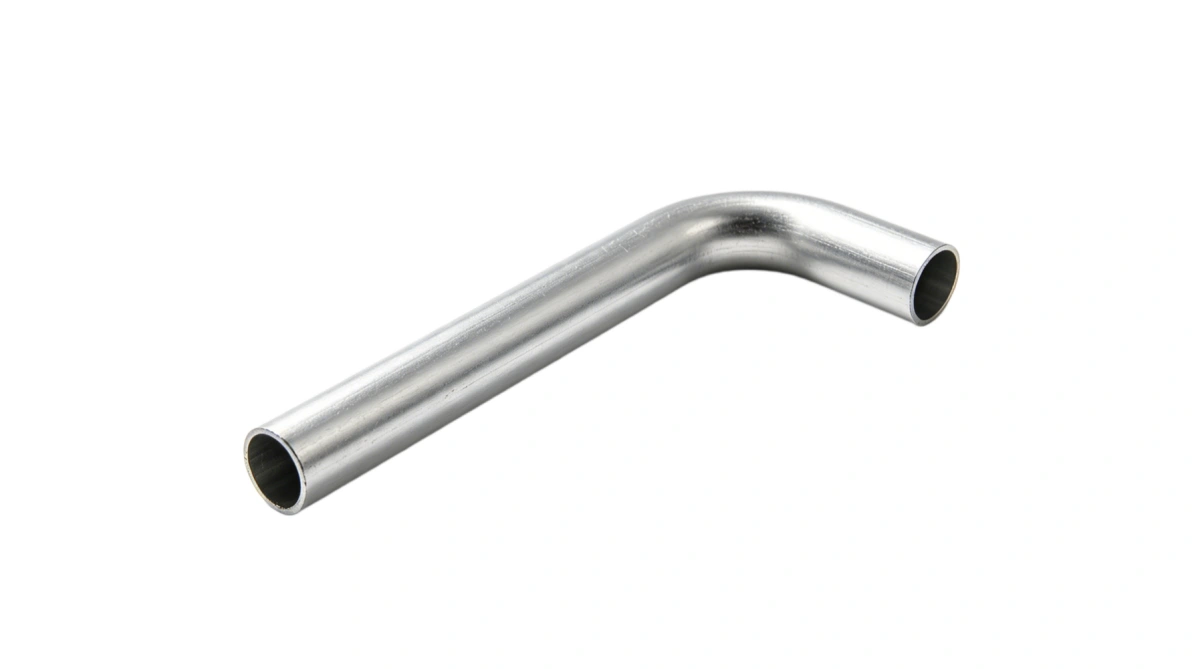
Aluminum tube bending is a mainstream deep processing technology for customized aluminum alloy tube forming via professional aluminum tube bending. Processors reshape straight aluminum tubes into arc, annular and irregular bent parts with external force and professional molds. Curved aluminum tubes are widely used in rail transit parts, new energy pipeline systems, architectural arc guardrails, medical equipment frames, curved furniture frames and mechanical fluid piping fields. It supports customized bending of round tubes, square tubes, flat tubes and special-shaped aluminum sectional tubes for industrial and civil projects.
Compared with stainless steel tubes and galvanized steel tubes, raw aluminum tubes have soft texture, uneven wall thickness and unstable alloy ductility. These inherent material features raise overall processing difficulty. Aluminum alloy is easy to deform under pressure and tension, so random bending will cause permanent structural damage. Factories need mature processing skills, targeted defect solving methods and dedicated bending equipment to get high-quality bent aluminum tubes. This article sorts out mainstream bending processes, common production defects and matched bending machines, offering reliable guidance for workshop operators, bulk buyers and technical engineers.
Four key factors decide final aluminum tube bending schemes: tube wall thickness, outer diameter, bending radius and machining accuracy. Different aluminum alloy grades also change the whole forming effect. Three mature industrial bending processes are widely adopted nowadays, with independent application scope, operating cost and finished forming effects.
Roller bending is a low-cost process for mass decorative tube production. It adopts three groups of wear-resistant rollers to clamp and push aluminum tubes forward steadily to form smooth continuous arcs. It fits round and elliptical tubes with large bending radius and ordinary precision requirements, with tolerance within ±1.0mm.
This process needs no custom molds and guarantees fast daily output. However, it causes uneven internal stress on tube walls during free extrusion. It easily thins outer tube walls during small-radius bending. It only suits guardrail, outdoor handrail and furniture aluminum tubes, not precision industrial piping parts with assembly requirements.
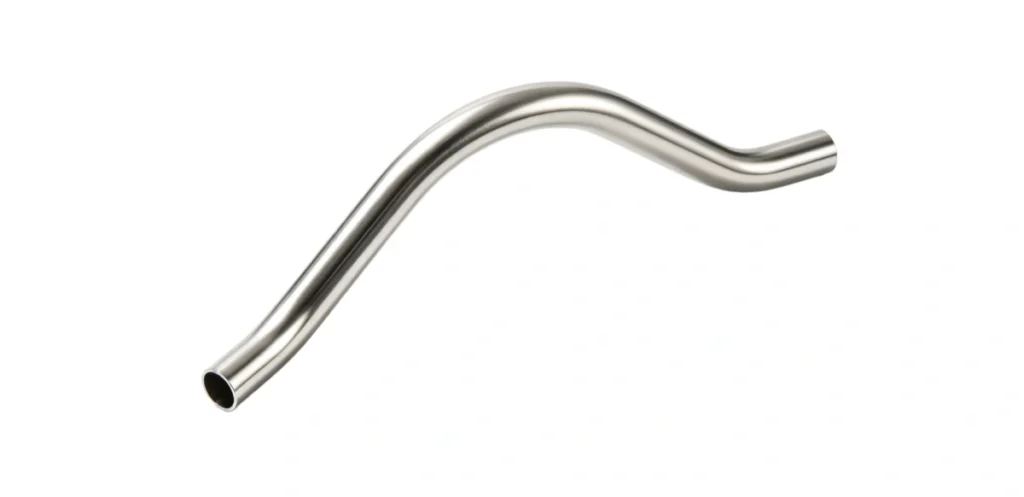
Hydraulic press bending belongs to fixed-point tube forming technology. Professional hydraulic cylinders jack clamped aluminum tubes to finish right-angle, oblique-angle and multi-angle segmented bending. It has simple operation rules and low learning threshold for new workshop workers, with low daily maintenance cost.
It matches medium and large thick-wall aluminum tubes above 3mm wall thickness, popular in small local workshops. The obvious downside is inner tube wrinkling, minor section distortion and surface indentation. It cannot process finished anodized aluminum tubes with strict surface standards for high-end architectural projects.
CNC stretch bending is the top-choice process for high-end precision tube projects. The machine firmly fixes two tube ends, applies steady constant pre-tension and adopts closed-loop fitted molds for synchronous bending. It balances internal compressive stress and external tensile stress scientifically to avoid local stress concentration.
It supports ultra-small radius bending and continuous multi-angle irregular shaping. Finished bent tubes have uniform wall thickness, no collapse, no wrinkling and low springback value. It is ideal for thin-wall hollow tubes, finished coated tubes and precision fluid pipelines for new energy, medical and automation equipment industries.
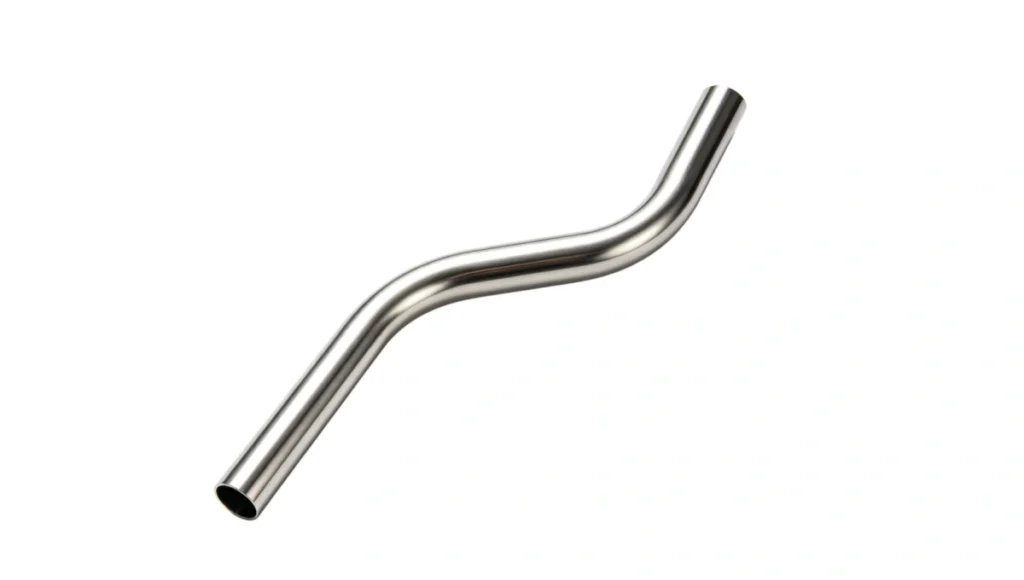
Common industrial aluminum tubes fall into four categories: 6063 soft decorative tubes, 6061 hard industrial tubes, hollow thin-wall tubes and solid round tubes. 6063 aluminum owns better ductility for easy shaping, while 6061 aluminum features high hardness with strong elastic rebound. Different alloy hardness and ductility make aluminum tube processing harder than ordinary steel tube bending. Four frequent production difficulties are summarized below.
Hollow tube collapse is the most common bending defect for thin-wall hollow materials. Hollow inner cavities have no rigid supporting structure during shaping. The inner bending side bears huge compressive force while the outer side bears lasting tensile force. Unbalanced force flattens tube bodies and deforms round pipe mouths, failing unified assembly tolerance standards for finished components.
Solutions: Workers fill dry quartz sand or wear-resistant nylon core rods for small-batch manual processing to support inner tube walls. Factories equip follow-up linkage core shaft molds for CNC automatic production. These auxiliary supporting parts keep complete tube roundness and control overall section deformation within 0.3mm.
Aluminum alloy has natural elastic recovery property after plastic deformation. Hard tempered 6061 aluminum materials have 2 times higher springback ratio than common annealed alloys. Tubes rebound slightly after bending force is released completely. The actual finished radian fails to meet design drawings, causing uneven splicing gaps for combined curved structural parts.
Solutions: Test accurate springback data of different tube diameters and wall thickness in advance and set CNC system compensation parameters. Adopt reasonable over-bending values to offset elastic rebound automatically. Conduct low-temperature annealing heat treatment for hard tubes to reduce material elasticity before formal bending processing.
Improper processing parameters and rough mold surface cause two typical surface defects. Too small bending radius or ultra-fast feeding speed leads to inner arc metal stacking and obvious wrinkling. Excessive stretching force exceeds aluminum yield limit and cracks outer tube walls, especially for anodized finished tubes with no secondary repair allowance.
Solutions: Formulate unified minimum bending radius standards for thin-wall tubes to avoid forced shaping. Polish mold contact surfaces regularly and apply special anti-abrasive bending lubricants. Adopt low-speed steady feeding to ensure uniform metal flow during whole tube shaping procedures.
Pre-coated aluminum tubes (anodized or powder coated) get scratched easily during rigid clamping and extrusion shaping. Direct friction between metal molds and original tube surfaces destroys integrated anti-corrosion coating. Damaged surfaces oxidize black quickly under outdoor environment and lose long-term decorative and anti-rust performance.
Solutions: Add thickened polyurethane anti-scratch gaskets on all fixture contact surfaces. Paste high-temperature wear-resistant protective films on mold inner cavities. Adopt floating follow-up friction-free molds to protect original tube coating in the whole clamping and bending procedure.
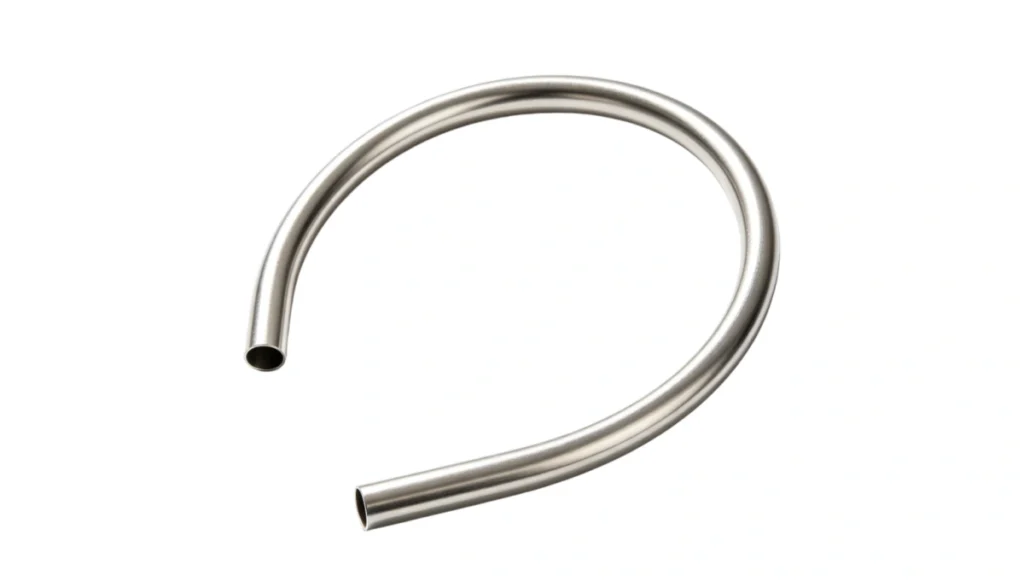
Processing equipment determines finished tube yield rate, dimensional precision and surface quality. Four types of dedicated bending machines are classified by daily production volume, tube size tolerance and processing standards. Reasonable machine selection matches corresponding aluminum tube materials, greatly lowering overall processing difficulty and reducing defective rate.
Manual hydraulic bender is portable entry-level equipment for small orders. It runs on manual hydraulic power with low procurement cost and small floor area. It suits single-piece bending for 6mm-25mm thick-wall small aluminum tubes for on-site construction modification.
It fits small hardware shops and construction teams for sporadic customized orders. Its disadvantages are low processing efficiency and unstable manual precision. It cannot process long tubes or fragile thin-wall hollow aluminum tubes that need inner support protection.
Three-axis roller bending machine is designed for decorative tube mass continuous production. It equips digital adjustable radian control system for flexible arc shaping. It stably processes 20mm-80mm long aluminum tubes for outdoor guardrails, corridor handrails and landscape architectural components.
Workers replace raw tube materials quickly without custom mold replacement. It features high cost performance, low power consumption and stable daily output for large-radius curved architectural aluminum parts in civil construction projects.
CNC hydraulic tube bender for standard aluminum tube bending orders is universal standard equipment for regular processing factories. It supports multi-group digital programming, automatic hydraulic clamping and multi-section integrated one-time bending. It covers 10mm-100mm ordinary round tubes and irregular square aluminum tubes for general industrial use.
Optional detachable inner core shaft accessories effectively solve tube collapse and oval deformation problems. It balances production speed and machining precision perfectly, matching most medium-standard industrial tube bulk orders for mechanical assembly.
Four-axis servo stretch bender is high-end precision processing equipment for high-standard orders. Independent servo motors control stretching speed, constant tension force and bending angle accurately. Matched closed-loop fitted molds and linkage core shafts protect tube inner and outer integrity fully during shaping.
It specializes in ultra-thin hollow tubes, large-diameter coated tubes and small-radius irregular bent parts. Finished dimensional tolerance reaches ±0.1mm with no scratches, collapse or deformation. It serves high-standard industries including new energy fluid systems, medical devices and rail transit interior assembly.
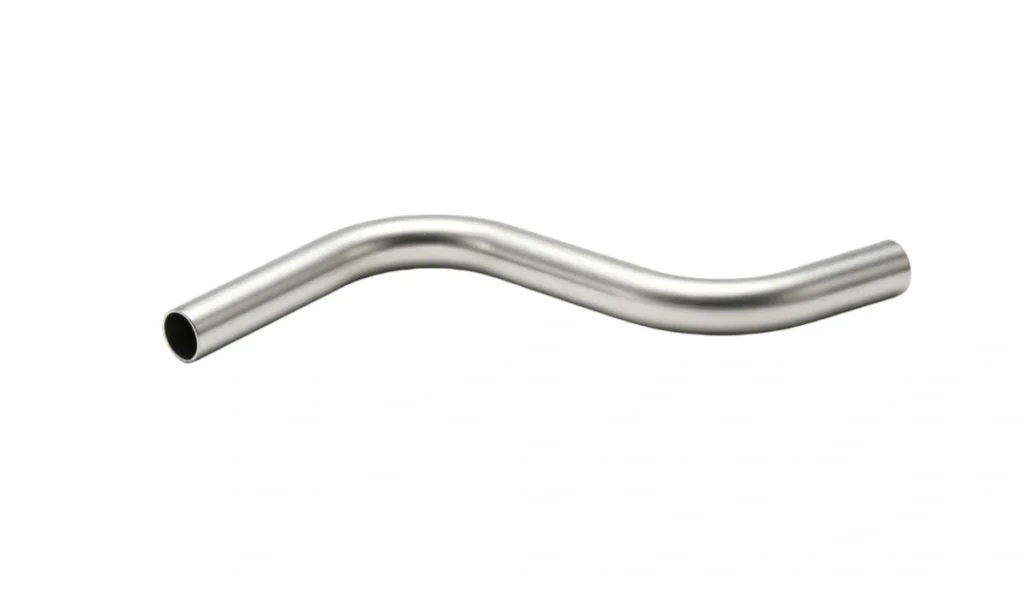
Aluminum tube bending is material-sensitive deep processing work, harder than common steel tube machining due to aluminum’s low yield strength. Core processing defects focus on section distortion, angle springback, outer wall cracking and surface coating abrasion in daily production.
Factories choose roller, hydraulic press or CNC stretch processes based on tube alloy grade, wall thickness and end usage. Matching qualified bending machines and standardized auxiliary processing skills helps eliminate common processing defects steadily. Stable high-precision curved aluminum tubes can meet customized bending demands from all manufacturing, construction and new energy industries.