Indirizzo
304 Nord Cardinale
St. Dorchester Center, MA 02124
Orario di lavoro
Da lunedì a venerdì: dalle 7.00 alle 19.00
Fine settimana: 10.00 - 17.00
Indirizzo
304 Nord Cardinale
St. Dorchester Center, MA 02124
Orario di lavoro
Da lunedì a venerdì: dalle 7.00 alle 19.00
Fine settimana: 10.00 - 17.00
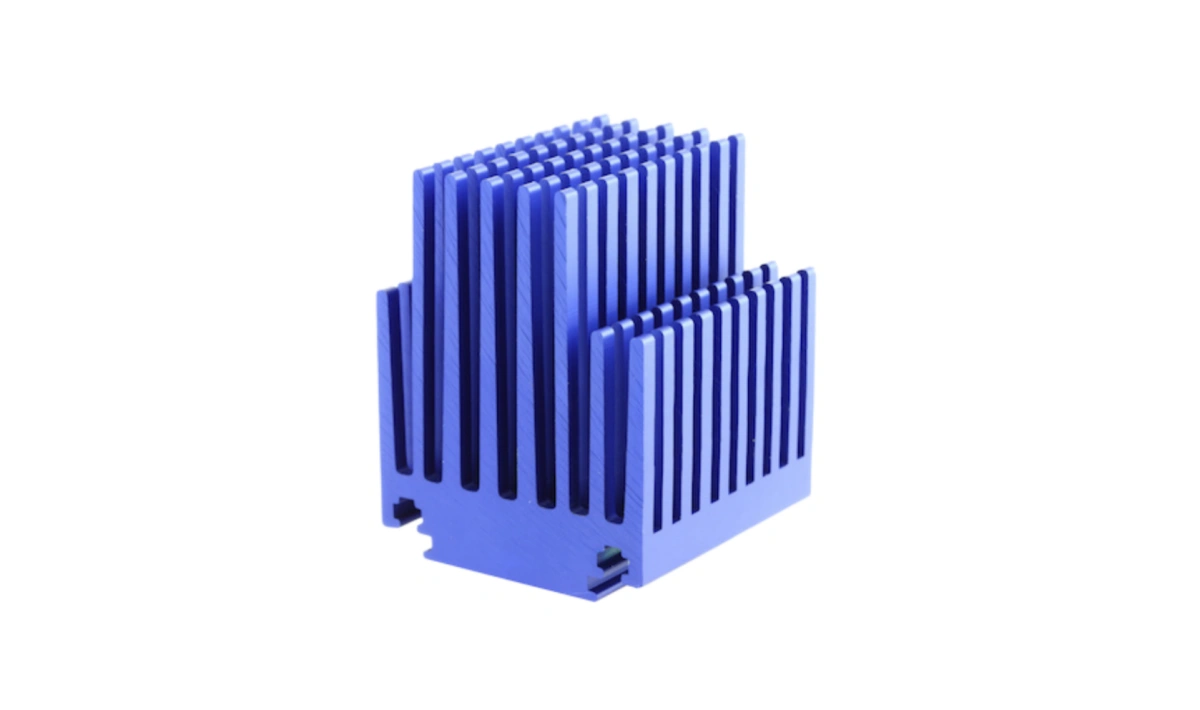
In the modern landscape of technology, thermal management is the silent guardian of performance. Whether it is a high-performance gaming PC, a massive data center server, an industrial motor, or an electric vehicle (EV) battery pack, the aluminum profile heatsink is the most ubiquitous solution for heat dissipation. However, raw aluminum—despite its excellent thermal properties—is rarely used in its “naked” state.
The surface finish of an aluminum profile heatsink is far more than an aesthetic choice; it is a critical engineering decision that dictates thermal efficiency, environmental resilience, and long-term reliability. This comprehensive guide explores the science behind surface treatments, the various processes available, and how to select the right one for your specific application.
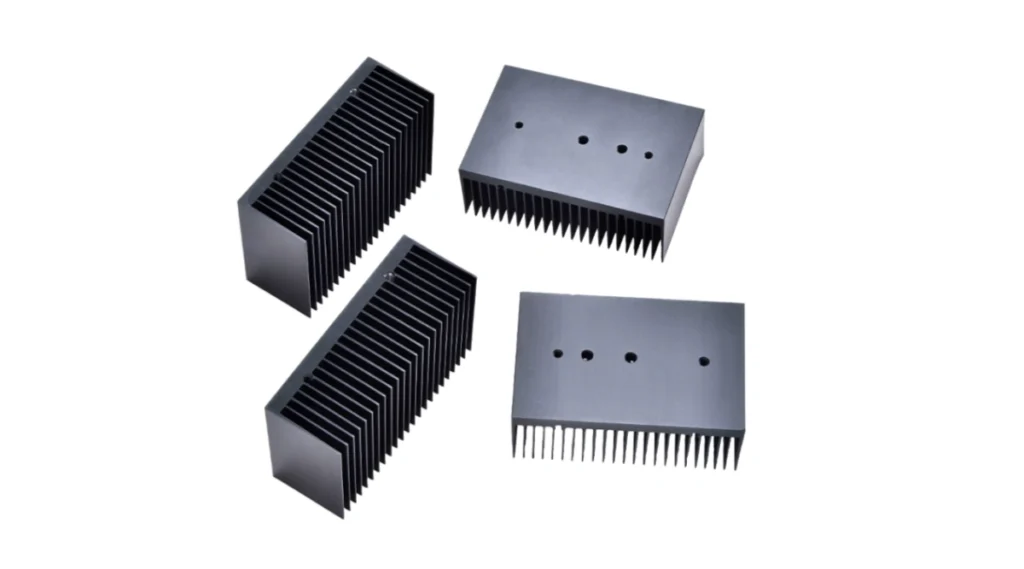
A raw aluminum profile heatsink fresh from the extrusion press has microscopic imperfections. These “peaks and valleys” create air pockets that act as insulators, hindering heat transfer. Furthermore, aluminum naturally oxidizes when exposed to air, forming a thin, inconsistent layer of alumina that may not be durable enough for harsh environments.
Heat dissipation occurs via three primary mechanisms: conduction, convection, and radiation.
Aluminum is susceptible to environmental degradation. In humid or salty coastal environments, untreated aluminum can develop “white rust.”
In many electronic designs, the aluminum profile heatsink must be electrically isolated from the components it cools to prevent short circuits. Anodized layers are naturally dielectric, providing a breakdown voltage often exceeding 200V, eliminating the need for additional insulating pads in some designs.
Mechanical wear is a concern in automotive and aerospace applications. Hard-coat anodizing or Micro-Arc Oxidation (MAO) increases the surface hardness of the aluminum profile heatsink, protecting it from scratches and debris impact. Additionally, oleophobic (oil-repellent) coatings prevent dust and grease buildup, which can “clog” thermal performance over time.
Several industrial processes are used to refine an aluminum profile heatsink. Each has a specific impact on the thermal-mechanical balance.
Anodizing is an electrochemical process that converts the metal surface into a decorative, durable, and corrosion-resistant anodic oxide finish. It is the most popular treatment for the aluminum profile heatsink.
Electroplating involves depositing a thin layer of another metal onto the aluminum profile heatsink surface using an electric current.
MAO is a high-voltage version of anodizing that produces a ceramic-like coating on the aluminum profile heatsink.
With the rise of “Extreme Cooling,” functional coatings have become a major R&D focus.
This is a chemical process that creates a protective film without the use of electricity.
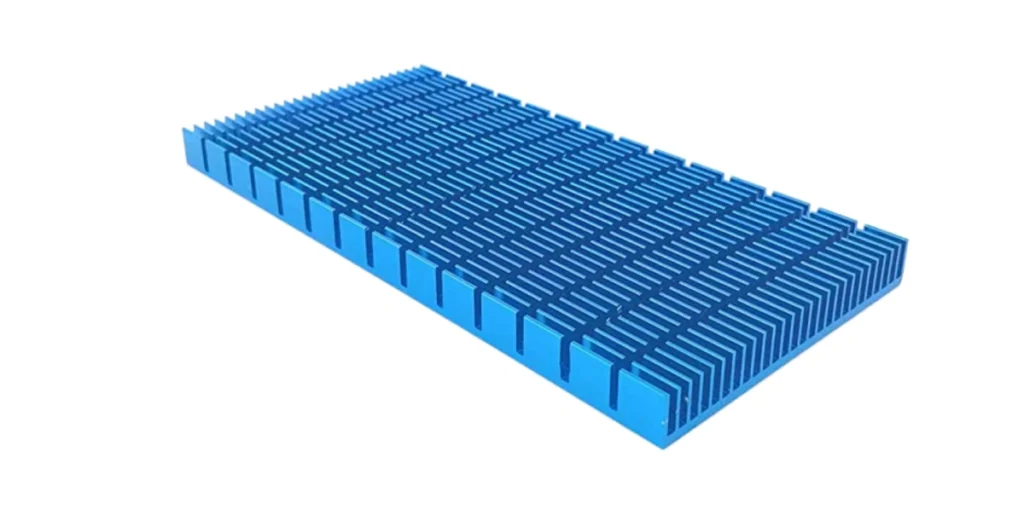
| Requirement | Recommended Process | Primary Advantage | Critical Consideration |
| Max Heat Dissipation (Passive) | Black Anodizing | High emissivity (0.8+) | Surface must be cleaned thoroughly. |
| Extreme Corrosion (Marine) | Hard Anodizing or EN Plating | Thick, impenetrable barrier | Higher cost; slightly higher thermal resistance. |
| Electrical Insulation | Anodizzazione | Dielectric strength > 200V | Sharp edges may have thinner layers. |
| Electrical Grounding | Chromate Conversion | Maintains conductivity | Less durable than anodizing. |
| Aesthetic / Consumer Tech | Sandblasting + Anodizing | Matte, premium texture | Purely cosmetic; doesn’t help thermal performance. |
| Soldering Compatibility | Electroless Nickel Plating | Allows direct soldering | High process complexity. |
| Ultra-High Emissivity | Graphene/Ceramic Coating | Boosts radiation efficiency | Coating quality must be strictly verified. |
Choosing a surface treatment for an aluminum profile heatsink requires a holistic view of the product’s lifecycle.
For these devices, anodizing (usually black or silver) is the standard. It provides the necessary electrical insulation for safety and the high emissivity required for compact spaces where airflow might be restricted.
In heavy-duty industrial environments, Electroless Nickel (EN) plating or Hard Anodizing is preferred. These units often face humidity, chemical fumes, and vibration. The uniformity of EN plating ensures that even the deepest channels of a liquid-cooled profile heatsink are protected.
EV cooling plates demand a mix of high strength and corrosion resistance. Micro-Arc Oxidation (MAO) is gaining traction here because it can withstand the high-voltage environment of EV batteries while providing a rugged surface that resists the vibration and thermal cycling of the road.
These heatsinks are exposed to the elements 24/7. Powder coating with thermal additives or specialized anti-corrosion anodizing is used to ensure the base station doesn’t fail due to salt air or extreme UV exposure.
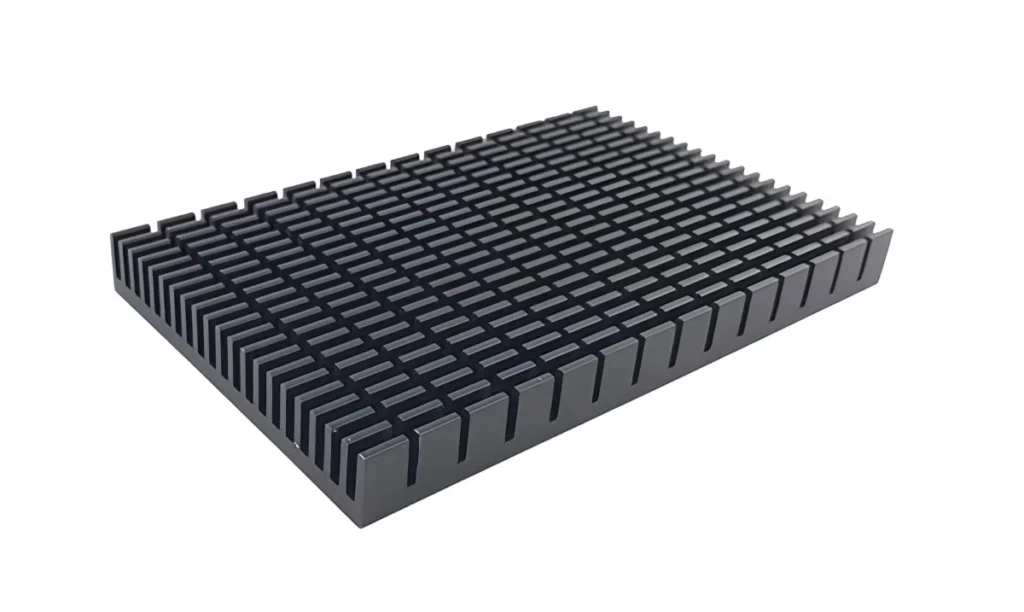
The “face” of the aluminum heatsink is evolving. We are currently moving toward Bionic and Nano-engineered surfaces.
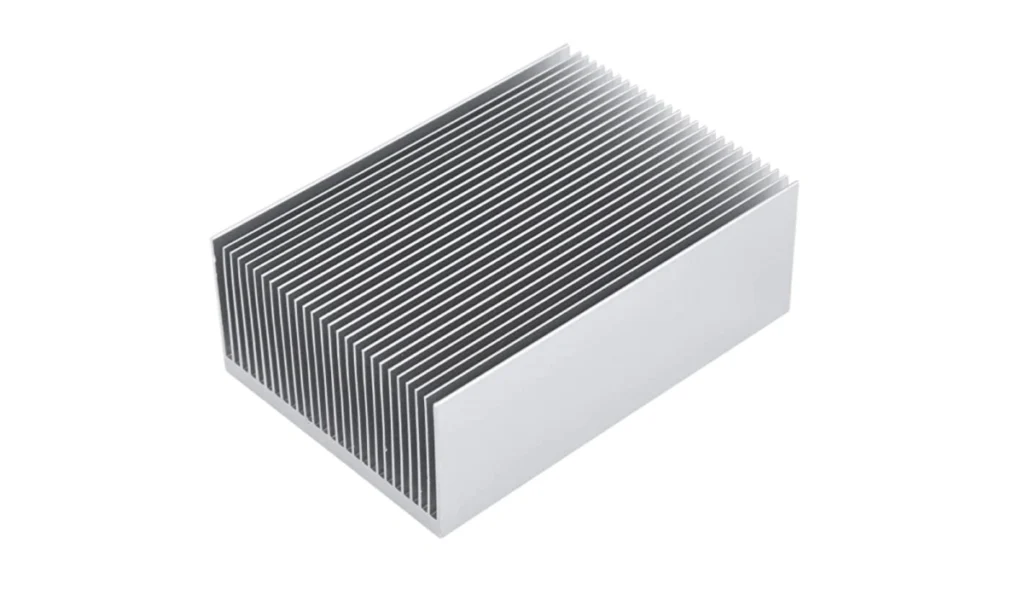
The surface of an aluminum profile heatsink is its primary interface with the world. It is the “armor” that protects the metal from decay and the “engine” that drives heat into the atmosphere.
While the geometry of the fins and the thermal conductivity of the alloy (like 6063-T5) are the bones of the thermal solution, the surface treatment is the skin. By selecting the correct treatment—whether it’s the cost-effective reliability of black anodizing or the high-tech shield of Electroless Nickel—engineers can ensure their devices run cooler, faster, and longer.
When you specify your next aluminum profile heatsink, remember: you aren’t just buying a piece of metal; you are buying a complex thermal system. Don’t overlook the “face” of your performance.