Indirizzo
304 Nord Cardinale
St. Dorchester Center, MA 02124
Orario di lavoro
Da lunedì a venerdì: dalle 7.00 alle 19.00
Fine settimana: 10.00 - 17.00
Indirizzo
304 Nord Cardinale
St. Dorchester Center, MA 02124
Orario di lavoro
Da lunedì a venerdì: dalle 7.00 alle 19.00
Fine settimana: 10.00 - 17.00
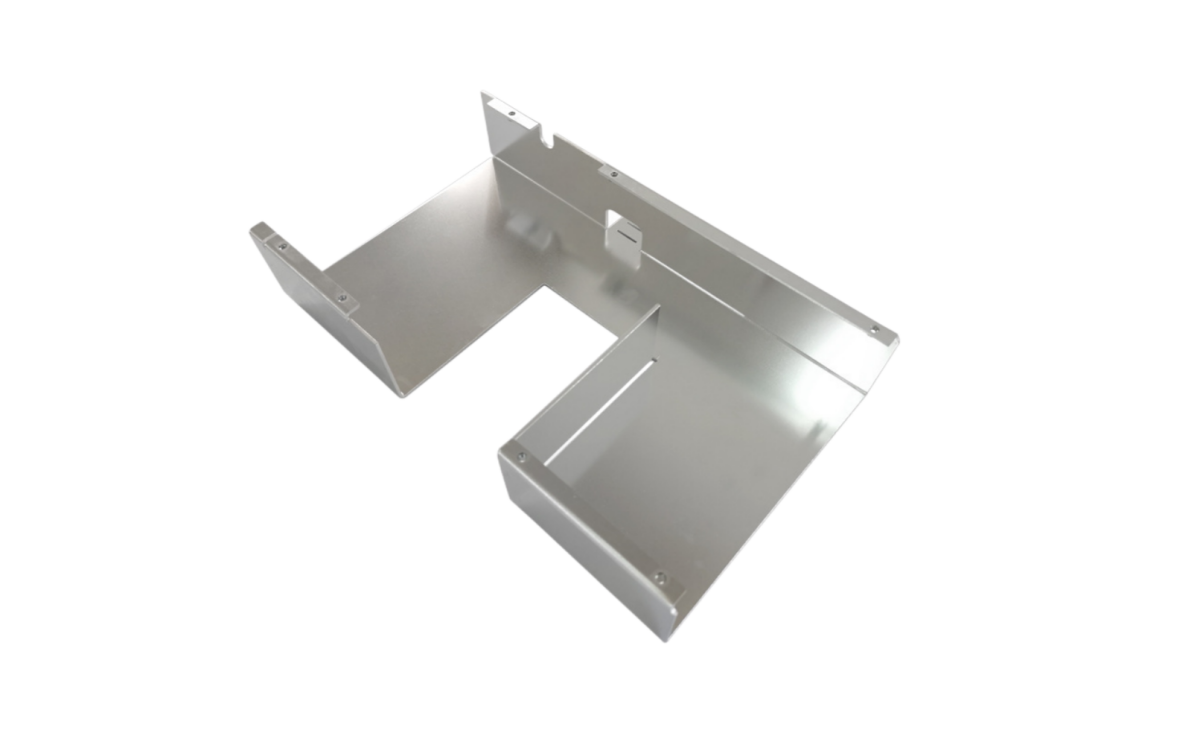
In the world of modern manufacturing, Aluminum CNC Machining stands as a cornerstone of industrial production. Renowned for its exceptional versatility, aluminum is the most frequently machined material globally, second only to steel. Its unique combination of physical and chemical properties makes it the “gold standard” for everything from aerospace components to consumer electronics.
This guide provides an in-depth analysis of aluminum CNC machining, exploring why this material is favored, the specific alloys used, technical machining parameters, and the post-processing techniques that transform raw extrusions into high-precision parts.
While pure aluminum is soft and ductile, it is rarely used in its elemental form for machining. Instead, it is alloyed with elements like Manganese, Copper, and Magnesium to create materials with superior mechanical properties. Here is why Aluminum CNC Machining is the preferred choice for engineers:
Aluminum is remarkably easy to cut. Its softness and low melting point compared to steel mean that cutting tools can remove material at higher speeds without excessive wear. This translates to shorter cycle times, lower energy consumption, and reduced costs for the customer. Furthermore, aluminum’s ability to maintain high tolerances ensures that intricate designs are executed with pinpoint accuracy.
Aluminum has approximately one-third the density of steel. Despite being lightweight, many aluminum alloys can reach strengths comparable to structural steel. This “specific strength” is the primary reason why aluminum is the dominant material in the automotive and aerospace sectors, where every gram of weight reduction directly impacts fuel efficiency and performance.
When exposed to air, aluminum naturally forms a thin, protective layer of aluminum oxide. This layer prevents further oxidation and rusting, making it ideal for marine and atmospheric applications. This resistance can be further enhanced through chemical processes like anodizing.
At room temperature, pure aluminum has an electrical conductivity of about 37.7 million Siemens/meter. While alloying reduces this slightly, aluminum remains far more conductive than most other metals used in CNC machining, making it indispensable for heat sinks and electronic housings.
Most materials, such as carbon steel, become brittle at sub-zero temperatures. Aluminum is unique because it retains—and in some cases increases—its strength, ductility, and toughness at extremely low temperatures, making it a staple for cryogenic storage and space exploration.
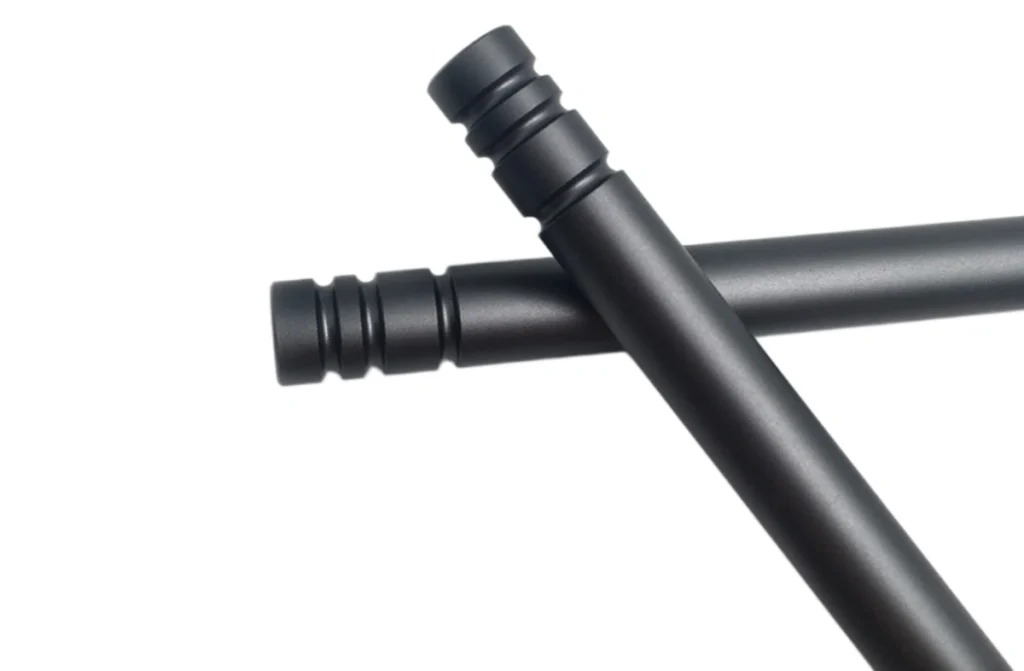
To master aluminum CNC machining, one must understand the specific grades available. Each alloy serves a distinct industrial purpose:
Aluminum parts are shaped through several specialized subtraction manufacturing techniques:
The most common process for aluminum. A rotating multi-point cutting tool removes material from a stationary workpiece. In aluminum machining, high-speed milling is often employed to take advantage of the material’s rapid cutting capabilities.
In this process, the aluminum workpiece rotates at high speeds while a stationary single-point tool shapes it. This is used for cylindrical parts like shafts, bushings, and fasteners.
Using multi-point rotating bits to create holes. Due to aluminum’s tendency to stick to tools, specialized drill bits with polished flutes are often used to prevent clogging.
Selecting the right tool is the difference between a high-quality finish and a failed part.
For aluminum CNC machining, the number of flutes on a cutting tool is critical.
Solid carbide is the preferred material for aluminum cutting tools. Aluminum requires a sharp cutting edge; carbide tools can maintain this sharpness much longer than High-Speed Steel (HSS). It is essential to use a “sub-micron” grain carbide with a low cobalt content (2-10%) to prevent chemical reactions between the aluminum and the tool at high temperatures.
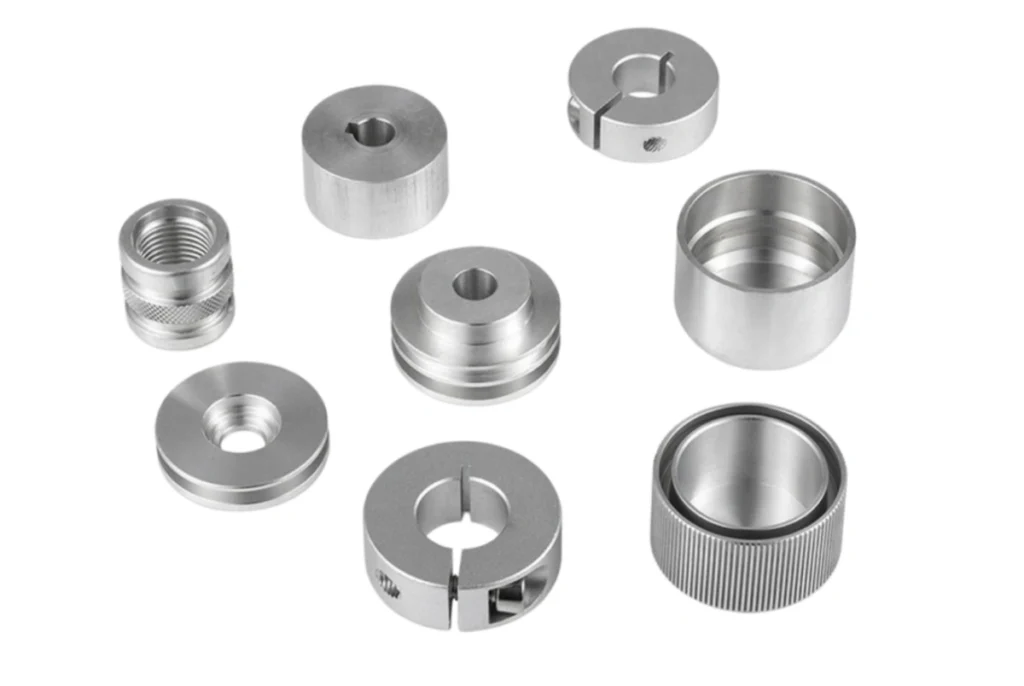
Aluminum can withstand incredibly high cutting speeds. In fact, running the machine at its maximum RPM is often beneficial. High speeds reduce the likelihood of Built-Up Edge (BUE)—where aluminum melts onto the tool—and result in a much cooler part and a cleaner finish.
Never machine aluminum dry. Without lubrication, aluminum chips will weld themselves to the tool flutes within seconds. Oil-soluble emulsions and mineral oils are ideal. Avoid fluids containing chlorine or active sulfur, as these can stain the aluminum surface permanently.
Once the aluminum CNC machining is complete, the part can undergo several treatments to enhance its aesthetics and durability:
High-pressure glass beads are sprayed onto the part to create a uniform, matte “satin” finish. This hides tool marks and provides a professional look.
Anodizing is an electrochemical process that thickens the natural oxide layer.
A dry polymer powder is applied electrostatically and cured under heat. This provides a thick, protective layer that is highly resistant to impact and chemicals.
A chemical coating used to improve corrosion resistance while maintaining electrical conductivity (unlike anodizing, which is an insulator).
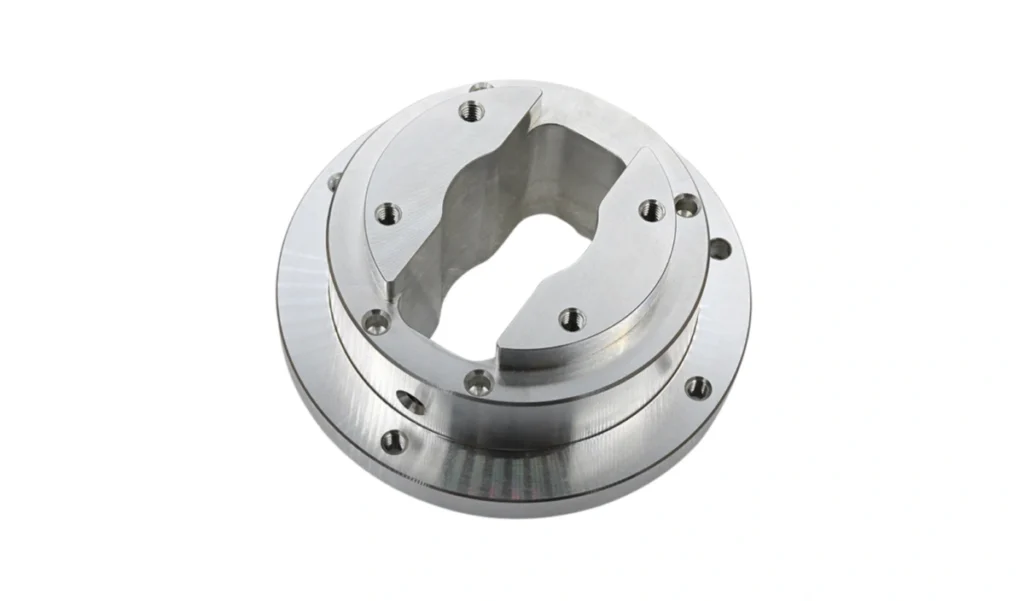
The impact of Aluminum CNC Machining is felt across nearly every modern industry:
To get the most out of your aluminum CNC machining project, keep these design tips in mind:
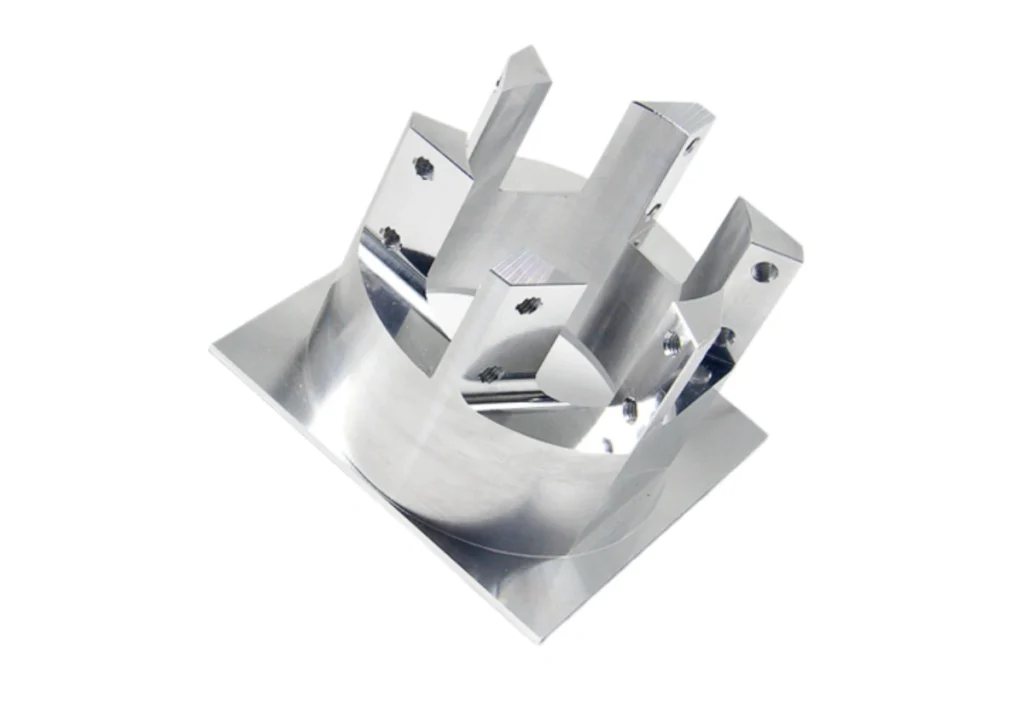
Aluminum CNC machining is a sophisticated blend of material science and mechanical precision. By selecting the right alloy, optimizing tool geometry, and choosing the appropriate post-processing finish, manufacturers can produce parts that are lightweight, durable, and cost-effective.
As industries move toward more sustainable and efficient production, aluminum’s recyclability and ease of machining ensure it will remain at the forefront of the manufacturing world for decades to come. Whether you are building a satellite or a consumer gadget, mastering aluminum machining is the key to engineering success.