Indirizzo
304 Nord Cardinale
St. Dorchester Center, MA 02124
Orario di lavoro
Da lunedì a venerdì: dalle 7.00 alle 19.00
Fine settimana: 10.00 - 17.00
Indirizzo
304 Nord Cardinale
St. Dorchester Center, MA 02124
Orario di lavoro
Da lunedì a venerdì: dalle 7.00 alle 19.00
Fine settimana: 10.00 - 17.00
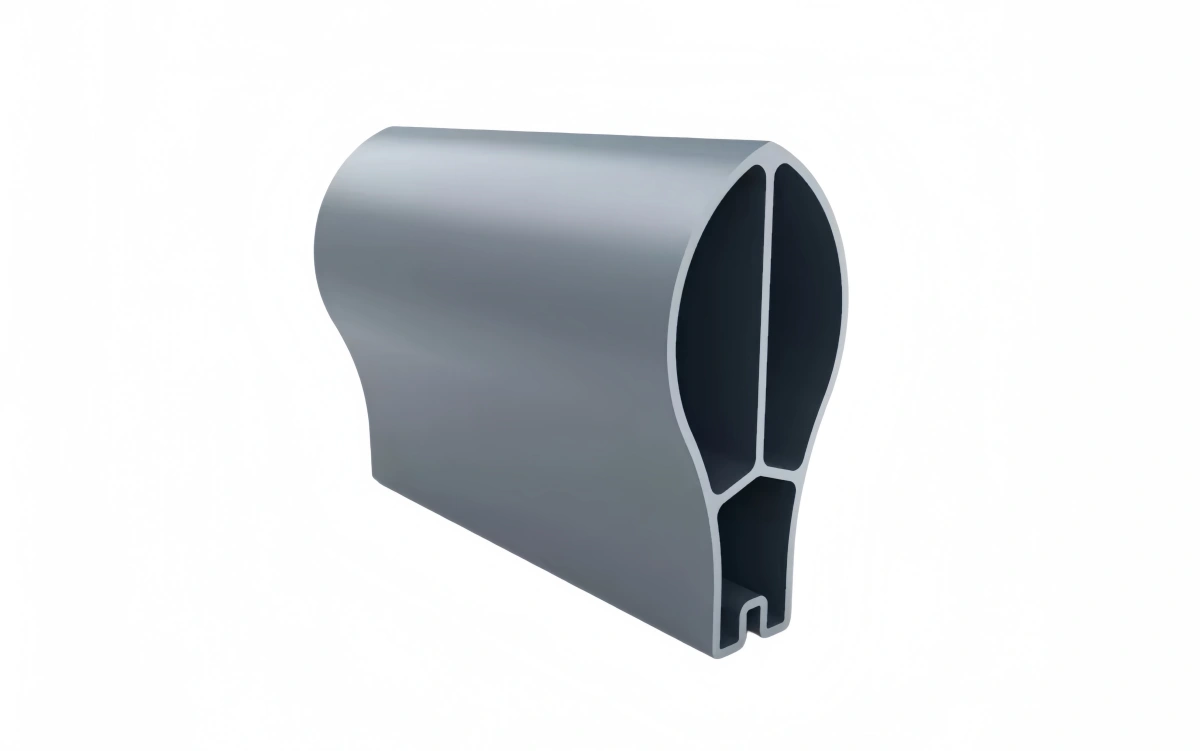
With the continuous upgrading of consumer product design and industrial manufacturing standards, metal materials have been widely adopted in all types of end products, becoming a core element that enhances product texture, improves overall product quality, and highlights high-end brand value. Compared with plastic, wood and other traditional materials, metal materials feature solid texture, stable structural performance and strong visual impact, which can greatly upgrade the grade and market competitiveness of finished products. Among various metal materials, aluminum and aluminum profiles have become the preferred materials for manufacturers in multiple industries, due to their outstanding ductility, easy processing performance, excellent visual presentation effect, and most importantly, extremely rich and mature aluminum profile surface treatment technologies. Various surface finishing processes can completely change the appearance, texture and physical properties of aluminum profiles, making aluminum applicable in consumer electronics, home appliances, automotive parts, architectural decoration and high-precision industrial equipment. The mainstream aluminum profile surface treatment technologies in the current industry mainly include sandblasting, surface polishing, wire drawing, high-gloss cutting, anodic oxidation and dual-color anodizing. Each process has unique forming principles, surface characteristics and application advantages, forming a comprehensive and diversified surface processing system for aluminum profiles.
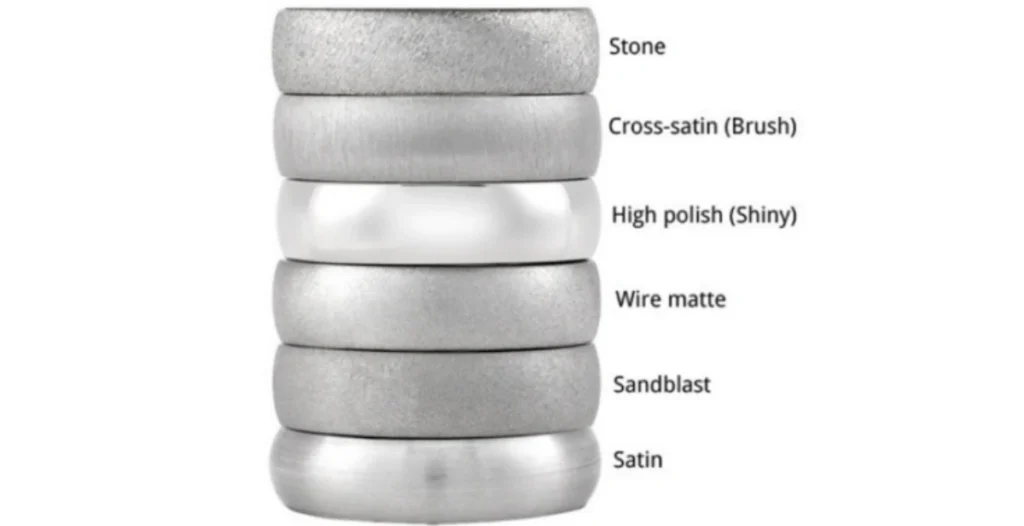
Sandblasting, also known as shot blasting, is a classic and foundational aluminum profile surface treatment technology widely used for surface cleaning, texturing and performance optimization. This process adopts compressed air as the power source to generate high-speed jet beams, which spray different types of abrasives including copper ore sand, quartz sand, emery, iron sand and sea sand onto the surface of aluminum workpieces at an extremely fast speed. The continuous impact and micro-cutting effect of abrasive particles on the aluminum substrate will change the original flatness and surface morphology of the profile, realizing standardized surface modification.
In practical industrial applications, sandblasting serves both functional and decorative purposes in aluminum profile surface treatment. Functionally, it can thoroughly remove surface oil stains, oxide layers, welding scars and tiny burrs of aluminum profiles, forming a uniform and controllable surface roughness. This processing effect effectively improves the mechanical properties of aluminum materials, enhances the fatigue resistance of profiles, and greatly strengthens the adhesion between the aluminum substrate and subsequent paint, electrophoresis and other coating layers. It avoids coating peeling, cracking and falling off, significantly extends the service life of surface coatings, and enables more smooth paint flow and more uniform decorative coloring.
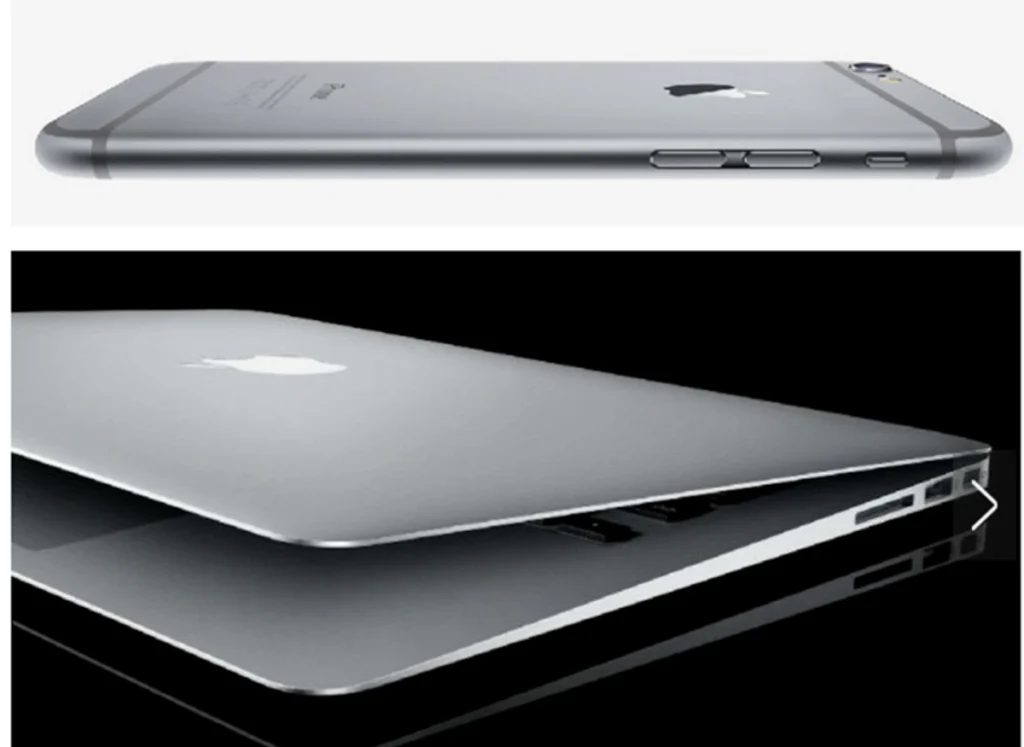
Decoratively, sandblasting forms a classic matte pearl silver surface on aluminum profiles, with soft and delicate luster, no strong light reflection, and high-grade metallic texture. This stable and low-key appearance effect is highly favored by the consumer electronics and home appliance industries. The sandblasting process can be seen in a large number of Apple’s electronic products, and it has gradually become a mainstream surface technology for the front shells and middle frames of mainstream smart TVs, balancing appearance beauty and daily scratch resistance perfectly.
Polishing is a precision finishing aluminum profile surface treatment process that reduces surface roughness and achieves ultra-smooth and high-brightness surfaces. By utilizing mechanical friction, chemical reaction or electrochemical action, the tiny uneven textures, tool marks and microscopic flaws on the surface of aluminum profiles are completely removed, realizing mirror-level flatness and gloss. As an important fine processing technology, polishing is widely used for high-end aluminum products with strict appearance requirements.
According to different working principles, aluminum polishing technologies are divided into three mainstream categories: mechanical polishing, chemical polishing and electrolytic polishing. Each process has its own applicable scenarios and performance characteristics. In high-end product manufacturing, the combined process of mechanical polishing and electrolytic polishing is the most popular solution in aluminum profile surface treatment. After dual precision polishing, the surface of ordinary aluminum profiles can reach a nearly stainless steel mirror effect, presenting extremely high flatness, transparency and metallic gloss.
Polished aluminum products deliver a minimalist, high-end, fashionable and futuristic visual experience, which perfectly matches the design trend of modern high-end electronic devices and precision industrial products. However, it is inevitable that the high-gloss mirror surface is easy to leave fingerprints and sweat stains during daily use, requiring regular cleaning and maintenance to maintain a lasting bright effect. Even with slight maintenance requirements, the superior decorative performance still makes polishing an irreplaceable core process in high-end aluminum profile surface treatment systems.
Surface wire drawing is a popular decorative aluminum profile surface treatment technology that creates regular linear textures through mechanical grinding. The equipment grinds the surface of aluminum profiles in a fixed or irregular trajectory, forming continuous and delicate wire textures on the metal surface. This process can fully highlight the unique texture of metal materials, endow ordinary aluminum profiles with strong artistic sense and technological sense, and has become one of the most popular surface crafts in the consumer market.
Industrial aluminum wire drawing processes are mainly classified into four types according to texture effects: straight grain wire drawing, random grain wire drawing, spiral grain wire drawing and thread wire drawing. Different wire drawing styles can meet diversified personalized design needs of different products. The biggest feature of metal wire drawing aluminum profile surface treatment is that it can clearly show every tiny grinding trace. The aluminum surface presents fine hairline luster on the basis of matte metal texture, avoiding the dullness of pure matte surface and the glare of high-gloss mirror surface.
Wire-drawn aluminum profiles have excellent surface tolerance and anti-scratch performance. The uniform linear texture can effectively cover minor processing defects and daily wear marks, improving the overall yield and appearance durability of products. At present, this mature process is widely used in smart phone middle frames, TV metal frames, automotive interior decorative parts, high-end hardware accessories and other fields, becoming a classic craft to enhance product brand grade.
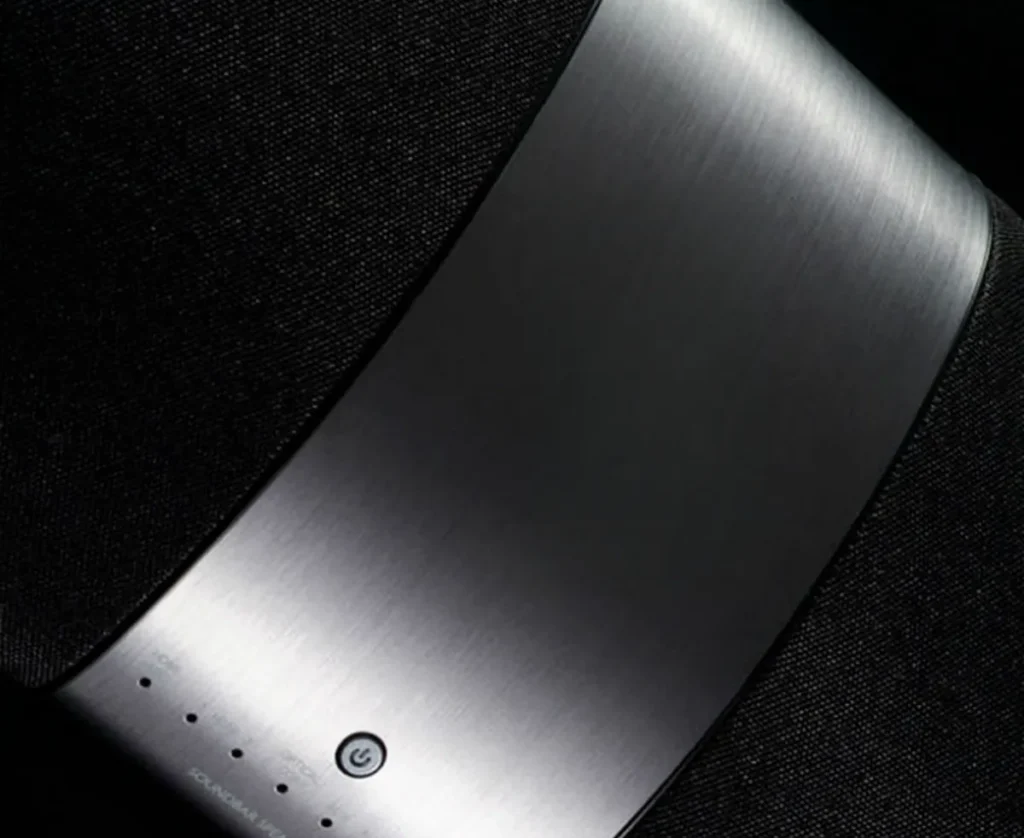
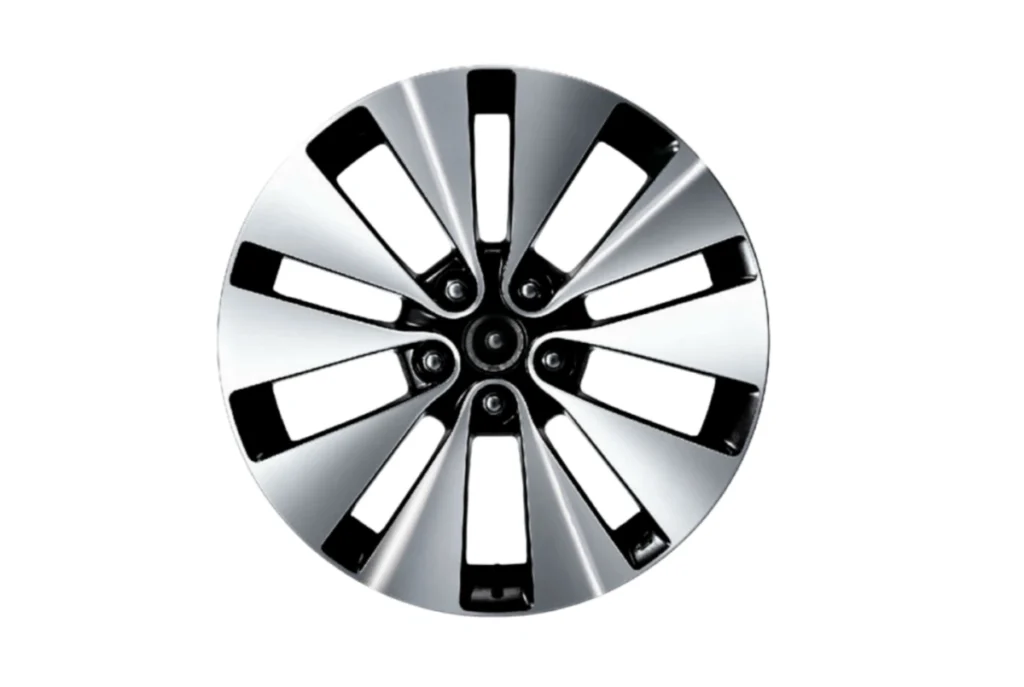
High-gloss cutting is a high-precision numerical control aluminum profile surface treatment technology for local high-brightness decoration. The process fixes a professional diamond cutter on the high-speed spindle of a precision engraving machine, with the conventional rotating speed up to 20,000 revolutions per minute. The high-speed rotating diamond cutter performs precise milling and cutting on the designated area of aluminum profile surfaces, forming distinct local high-gloss bright areas.
The brightness of the high-gloss cutting area is directly positively correlated with the spindle speed. The higher the cutting speed, the smoother the milling surface, the higher the gloss and the more delicate the texture; low-speed cutting will lead to dim luster and obvious tool marks, which will affect the overall appearance quality. This process creates a strong contrast between bright high-gloss area and matte base surface, significantly enhancing the three-dimensional sense and hierarchical sense of aluminum product appearance.
High-gloss cutting technology is most widely applied in the consumer electronics industry, especially in the appearance processing of mobile phone metal frames. In recent years, more and more high-end smart TV metal borders have adopted high-gloss milling technology. Combined with anodizing and wire drawing aluminum profile surface treatment processes, it creates a sharp, fashionable and highly technological visual effect, greatly improving the premium feeling of home appliance products.
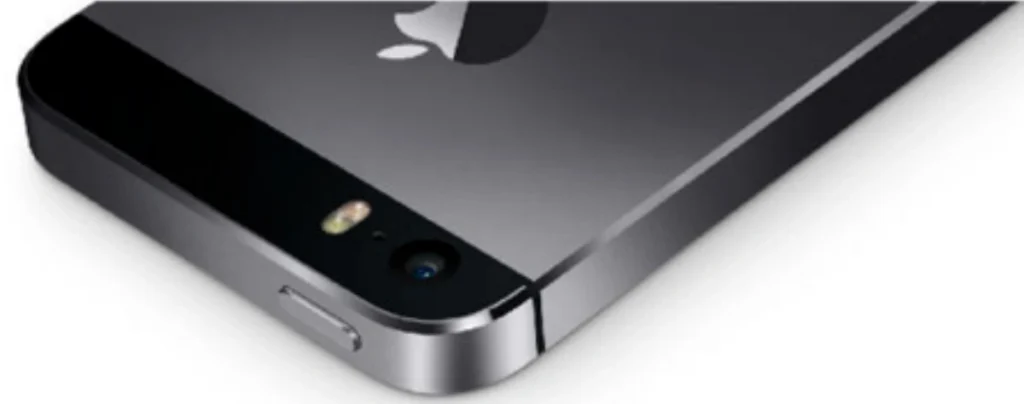
Anodic oxidation is the most mature, widely used and cost-effective core technology in the entire aluminum profile surface treatment industry. It refers to the electrochemical oxidation reaction of aluminum and its alloys. Under specific electrolyte environment and standardized process parameters, with the action of external applied current, a dense, stable and high-hardness protective oxide film is uniformly formed on the surface of aluminum products serving as the anode. In industrial production scenarios, anodic oxidation generally refers to sulfuric acid anodizing unless specially specified.
Bare aluminum profiles have inherent defects such as low surface hardness, poor wear resistance and easy oxidation and corrosion in the air. Anodic oxidation perfectly solves these pain points through artificial film formation. The compact oxide film can significantly improve the surface hardness, wear resistance and anti-corrosion performance of aluminum profiles, effectively isolate the aluminum substrate from oxygen, moisture and corrosive substances in the external environment, and greatly extend the service life of aluminum products. Meanwhile, anodized films support rich coloring treatment, realizing diverse and stable color decoration.
With stable performance, simple operation and high comprehensive cost performance, anodic oxidation has become an indispensable core link of aluminum profile surface treatment. It is the most successful and widely popularized surface finishing process in the aluminum processing industry, covering architectural decoration profiles, electronic equipment shells, industrial equipment parts, automotive aluminum accessories and almost all aluminum application fields.
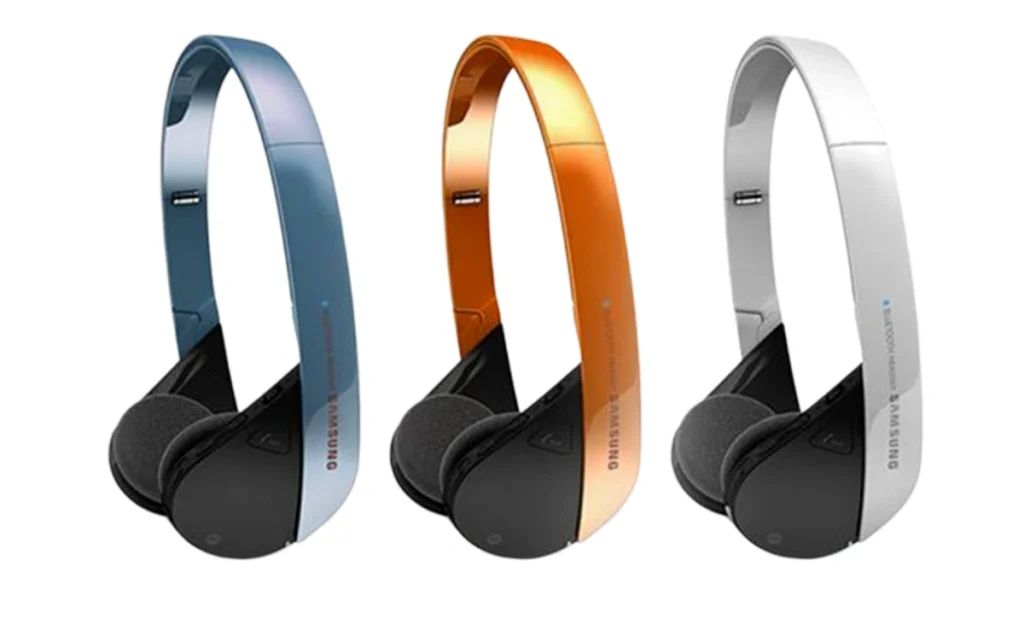
Dual-color anodizing is an upgraded high-end customized aluminum profile surface treatment process derived from conventional anodic oxidation. Different from the single-color decorative effect of ordinary anodizing, this technology realizes different color oxidation effects in different designated areas on the same aluminum profile product through precise masking, segmented processing and secondary coloring oxidation.
Dual-color anodizing has complex technological procedures, high requirements for processing equipment and technical operation accuracy, and relatively higher production costs compared with conventional processes, so it is mainly used for high-end customized aluminum products. The dual-color contrast effect formed by segmented coloring breaks the monotonous single-color appearance, creates a strong layered sense, personalized sense and high-end texture, and effectively distinguishes high-end products from ordinary homogeneous products in the market.
At present, this high-end aluminum profile surface treatment craft is widely used in high-end flagship electronic products, luxury smart home appliances, high-precision automotive decorative parts and high-grade architectural decorative aluminum components, helping brands shape high-end, unique and professional product image.
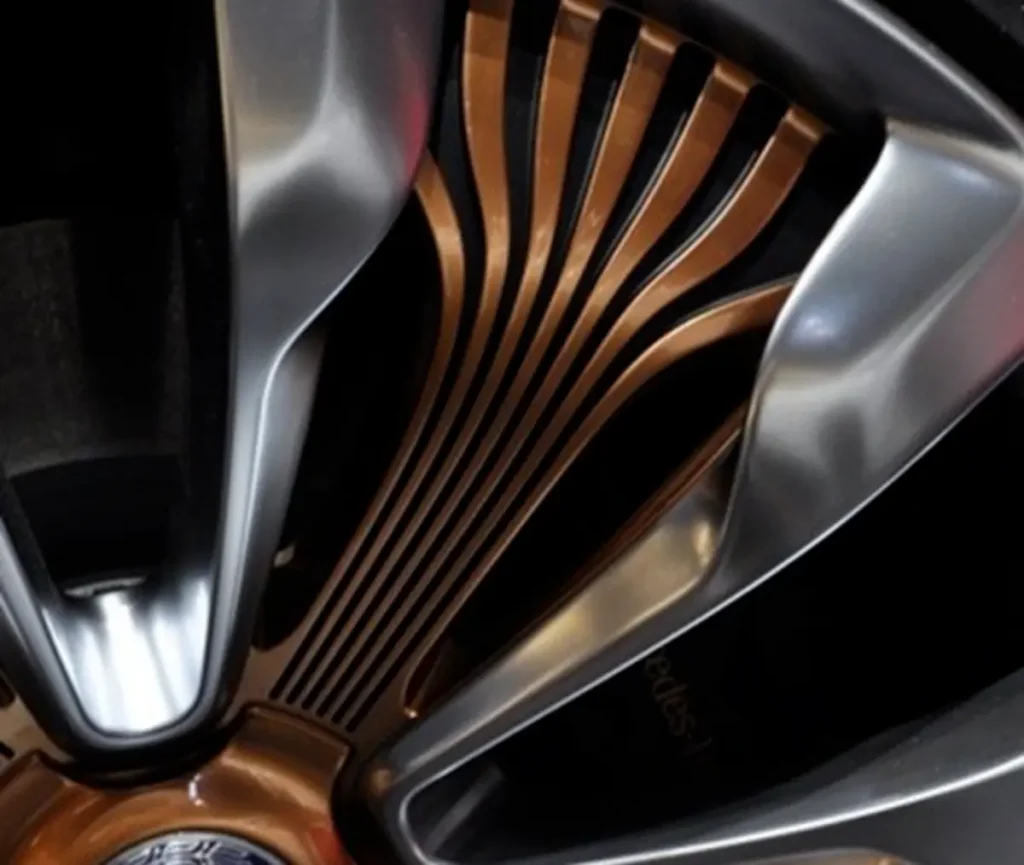
In the modern aluminum deep processing industry, diversified aluminum profile surface treatment technologies endow ordinary aluminum materials with richer appearance effects and more excellent physical and chemical properties. Sandblasting creates uniform matte pearl silver texture and improves substrate adhesion; precision polishing achieves mirror-level high-gloss effect for high-end decoration; wire drawing highlights delicate metallic texture and technological sense; high-gloss cutting realizes local bright layering design; conventional anodizing improves product durability and realizes mass color customization; dual-color anodizing meets high-end personalized and differentiated design needs.
Each aluminum profile surface treatment process has its unique functional advantages and applicable scenarios. Manufacturers can select appropriate single process or combined processes according to product positioning, use environment and appearance design requirements. With the continuous upgrading of consumer aesthetics and industrial manufacturing standards, aluminum surface treatment technology is also constantly innovating and optimizing towards higher precision, richer customization and more environmentally friendly production, providing more high-quality surface finishing solutions for global aluminum application industries.