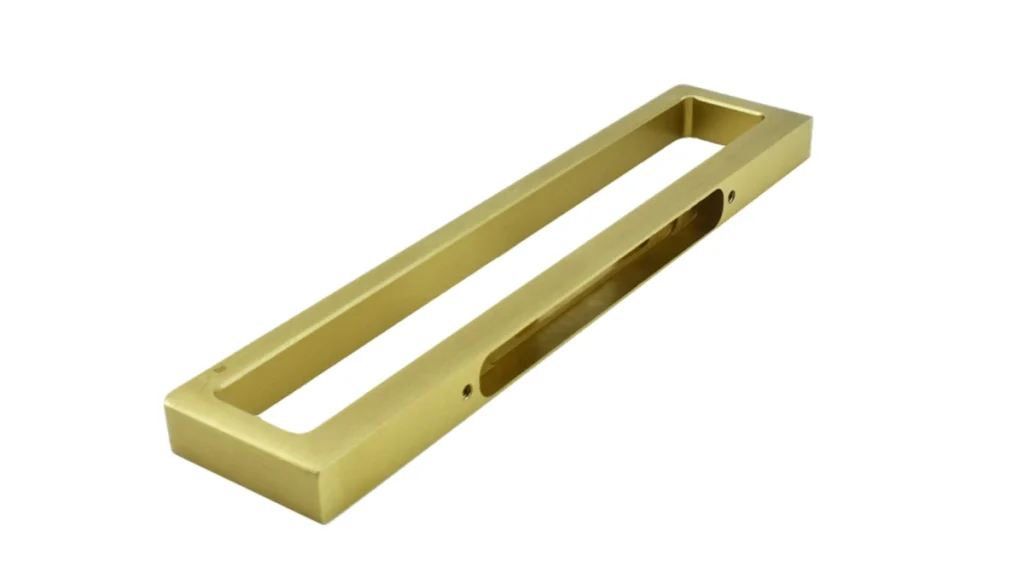
In the modern industrial landscape, few materials are as versatile, durable, and essential as aluminum profiles (also known as aluminum extrusions). From the skyscrapers defining our city skylines to the intricate components of electric vehicles and high-tech electronics, aluminum profiles are the backbone of contemporary engineering.
This comprehensive guide explores everything you need to know about aluminum profiles, including their technical properties, classification, complex manufacturing processes, and expert advice for procurement.
1. What are Aluminum Profiles?
Defining the Material
At its core, an aluminum profile is a product made from aluminum and various alloying elements. These materials are processed through casting, forging, and extrusion into various shapes such as foils, plates, strips, tubes, bars, and complex structural shapes.
Unlike pure aluminum, which is relatively soft, aluminum profiles are engineered by adding specific elements—such as magnesium, silicon, copper, or zinc—to enhance mechanical properties, durability, and resistance to environmental factors. After the initial extrusion, these profiles often undergo secondary processes including cold bending, sawing, drilling, assembly, and coloring to meet specific industrial requirements.
2. Key Advantages and Physical Properties
Why is aluminum the material of choice for engineers globally? Its unique physical and chemical characteristics provide a combination of benefits that few other metals can match.
1. Superior Corrosion Resistance
Aluminum naturally forms a thin but dense oxide layer when exposed to air. With a density of approximately 2.7g/cm³ (roughly one-third that of steel or copper), it offers an exceptional strength-to-weight ratio. It remains stable in harsh environments, including exposure to air, water (including saltwater), petrochemicals, and various chemical systems.
2. High Electrical Conductivity
Aluminum is frequently chosen for its excellent electrical conductivity. On an equal-weight basis, aluminum’s conductivity is nearly twice that of copper, making it the primary choice for high-voltage transmission lines and electrical busbars.
3. Thermal Conductivity
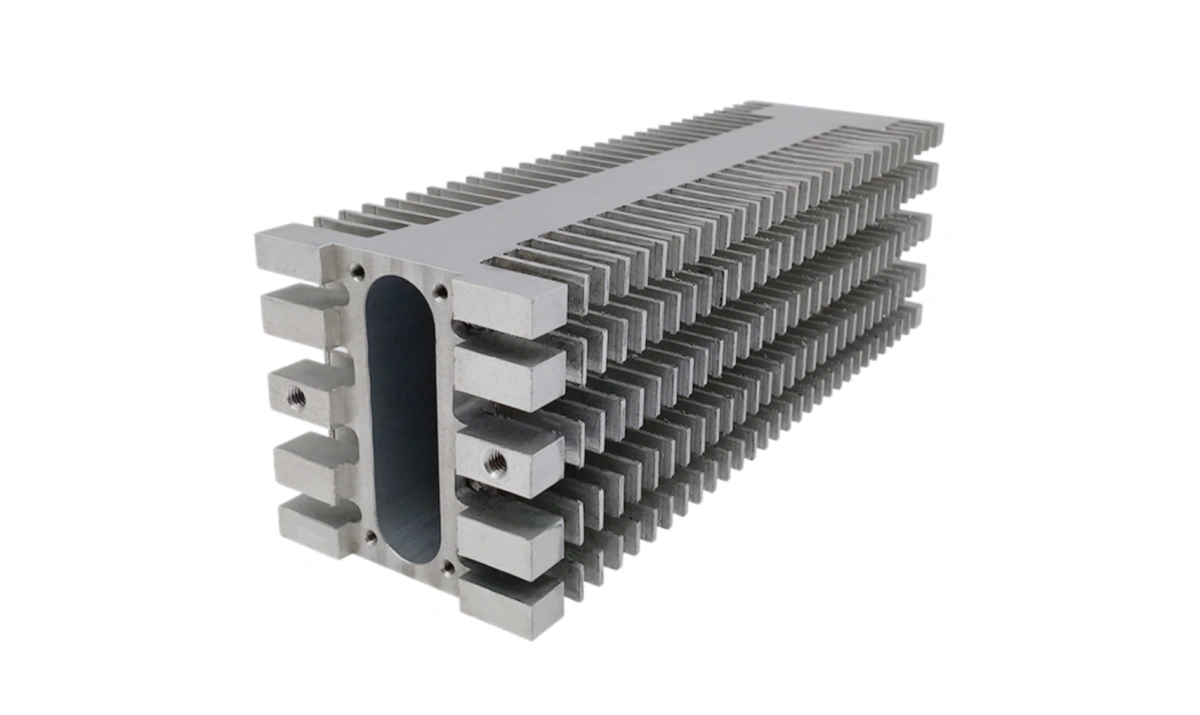
The thermal conductivity of aluminum alloys is about 50-60% of copper. This makes it ideal for heat dissipation applications, such as heat exchangers, evaporators, automotive radiators, and heat sinks for electronic components.
4. Non-Ferromagnetic and Non-Sparking
Aluminum profiles are non-ferromagnetic, a crucial property for the electrical and electronics industries where magnetic interference must be minimized. Furthermore, aluminum does not spark, making it indispensable for applications involving flammable or explosive materials.
5. Excellent Machinability
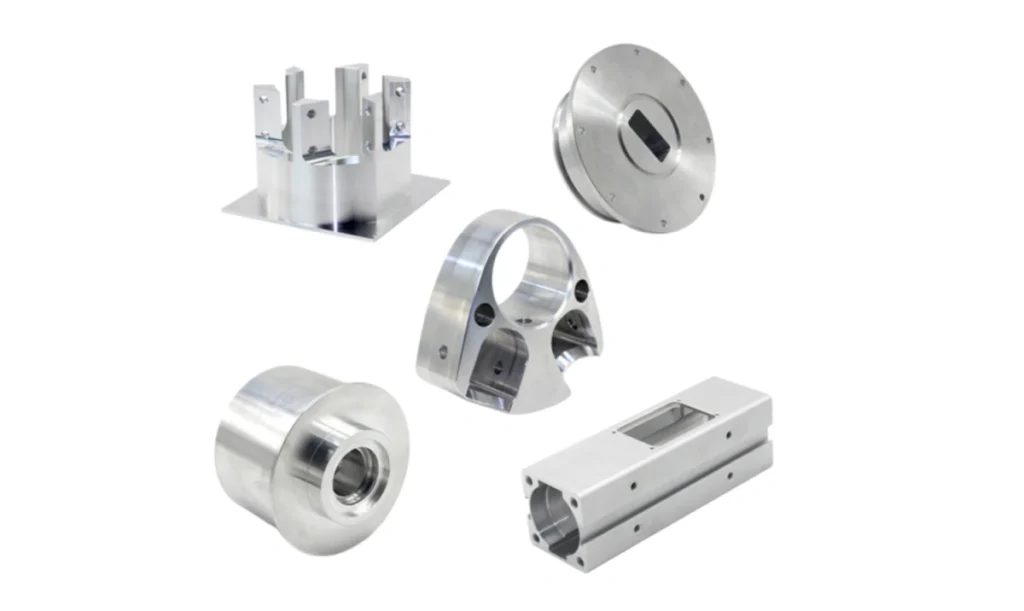
The “workability” of aluminum is outstanding. Whether it is being turned, milled, or drilled, aluminum alloys can be machined at high speeds. This allows for complex geometries to be produced efficiently, although different alloys (e.g., 6061 vs. 7075) require specific tooling and techniques.
6. High Formability
Specific tensile strength, yield strength, and ductility dictate how much a profile can be deformed. Aluminum’s high formability allows it to be extruded into incredibly complex cross-sections that would be impossible to achieve with other materials.
7. Sustainability and Recyclability
Aluminum is one of the most eco-friendly metals on the planet. It is 100% recyclable without losing its physical properties. Furthermore, recycling aluminum requires only 5% of the energy needed to produce primary aluminum from bauxite ore.
3. Classification of Aluminum Profiles
To select the right profile, one must understand how they are categorized based on surface treatment, application, and alloy composition.
A. Classification by Surface Treatment
The surface finish determines the profile’s aesthetics and environmental resistance:
Anodized Profiles: Electrochemical process that thickens the natural oxide layer.
Electrophoretic Coating: Combines anodizing with a lacquer coating for a smooth, mirror-like finish.
Powder Coating: A dry finishing process providing a vast range of colors and excellent durability.
Wood Grain Transfer: Aesthetic finish that mimics the look of natural wood.
Fluorocarbon (PVDF) Spraying: The highest grade of coating, offering extreme weather resistance (often used in curtain walls).
Polished Profiles: Divided into Mechanical Polishing and Chemical Polishing (the latter provides the highest gloss but at a premium cost).
B. Classification by Application
Architectural Profiles: Used for window frames, door frames, and curtain walls.
Radiator/Heat Sink Profiles: Specifically designed for heat dissipation.
Industrial Aluminum Profiles: These are the “Lego bricks” of industry. Used in automated machinery, conveyor belts, equipment frameworks, shelving, and inspection stations.
Railway Structural Profiles: High-strength alloys used for the bodies of high-speed trains and subways.
Display & Framing Profiles: Lightweight profiles for picture frames, exhibition stands, and decorative art.
C. Classification by Alloy Series (The 1xxx – 9xxx System)
The properties of a profile are dictated by the “Series” of the alloy:
1xxx Series: 99% pure aluminum; excellent corrosion resistance, low strength.
2xxx Series: Aluminum-Copper; high strength, used in aerospace.
3xxx Series: Aluminum-Manganese; good formability, used in soda cans.
6xxx Series (The Standard): Aluminum-Magnesium-Silicon (e.g., 6063, 6061). This is the most common series for extrusions, balancing strength and extrudability.
7xxx Series: Aluminum-Zinc-Magnesium; ultra-high strength for aerospace and high-end sporting goods.
4. The Manufacturing Process: From Ingot to Profile
The production of aluminum profiles is a high-precision engineering feat involving three primary stages:
Step 1: Melting and Casting
This is the foundational stage.
Batching: Calculating the ratio of raw aluminum to alloying elements based on the desired grade (e.g., 6063).
Smelting: Raw materials are melted in a furnace. Degassing and slag removal processes ensure the molten metal is pure.
Casting: The liquid aluminum is cooled into long, cylindrical structures called billets.
Step 2: Extrusion
Extrusion is where the shape is formed.
The billet is heated to a plastic state (but not melted).
A hydraulic press forces the heated billet through a precision-engineered steel die.
The metal emerges from the die in the desired cross-sectional shape.
Quenching: For 6xxx alloys, an air or water cooling process (quenching) followed by “artificial aging” (heating in an oven) is required to reach the desired hardness (T5 or T6 temper).
Step 3: Surface Treatment (Focus on Anodizing)
Unfinished aluminum (mill finish) is susceptible to scratches and oxidation.
Surface Pre-treatment: Cleaning the surface with chemical or mechanical means to expose pure metal.
Anodization: The profile acts as an anode in an acid bath. An electric current creates a porous, hard Al₂O₃ layer on the surface.
Sealing: The pores of the oxide film are closed to prevent pollution and enhance corrosion resistance. During this phase, metallic salts can be deposited in the pores to create colors like champagne, bronze, or black.
5. Advanced Surface Technologies
As market demands for aesthetics grow, specialized processes have emerged:
Matte/Frosted Finish: Eliminates light pollution caused by shiny profiles in architectural settings. It provides a soft, silk-like texture.
Electrostatic Powder Coating: Offers superior acid and alkali resistance compared to standard anodizing. It is the go-to for colorful architectural designs.
Titanium Plating (PVD): A high-end vacuum process that coats the aluminum in a titanium layer. This involves pre-plating in a solution of nickel sulfate and boric acid followed by vacuum deposition, resulting in a luxurious, ultra-hard gold or stainless-steel look.
6. Expert Buying Advice: How to Identify Quality
Purchasing aluminum profiles requires a keen eye for technical specifications. Whether you are sourcing for a construction project or industrial manufacturing, follow these guidelines:
Critical Inspection Points
Certifications: Always check for the manufacturer’s license, quality certificates, and compliance with international standards (like ISO or ASTM).
Surface Quality: Inspect for bright color and consistent gloss. Reject profiles with visible scratches, bubbles, or inclusions.
Wall Thickness: This is where many manufacturers cut corners. For doors and windows, the thickness should generally not be less than 1.0mm – 1.4mm. Industrial heavy-duty profiles will require much more.
Coating Thickness:
Anodized: Minimum 10μm.
Electrophoretic: Minimum 17μm.
Powder Coating: Range between 40-120μm.
PVDF (Fluorocarbon): Minimum 30μm and at least two coats.
Environmental Suitability: If you are in a coastal area, prioritize Electrophoretic or PVDF coatings to withstand the salty air.
Signs of Inferior Quality
Extrusion Defects: Look for “die lines,” twisting, or color variations. These indicate poorly maintained machinery or improper cooling.
Thin Oxide Film: Some “no-name” manufacturers reduce the oxide layer to 2-4μm to save on electricity costs. This significantly increases the risk of premature rusting.
Impure Chemical Composition: The use of “scrap aluminum” or “junk aluminum” saves costs but compromises the structural integrity of the building or machine.
Shortened Sealing Time: Reducing the chemical sealing time lowers costs but leaves the profile vulnerable to corrosion.
7. Maintenance and Care
To ensure the longevity of aluminum profiles:
Tools: Use soft cotton cloth or yarn. Never use wire brushes or abrasive pads.
Cleaning Agents: Use water, mild dish soap, or neutral cleaners. Avoid organic solvents or strong acids/alkalis, as they will strip the protective coating.
Conclusion
Aluminum profiles represent the perfect marriage of chemistry and mechanical engineering. By understanding the nuances of alloy series, extrusion techniques, and surface treatments, businesses can make informed decisions that ensure safety, durability, and aesthetic appeal.
As the world moves toward “Lightweighting” in the EV sector and “Sustainable Construction” in urban planning, the role of high-quality aluminum profiles will only continue to grow. When selecting your supplier, prioritize wall thickness, film density, and material purity over the lowest price—because in the world of aluminum, quality is the best investment.