Address
304 North Cardinal
St. Dorchester Center, MA 02124
Work Hours
Monday to Friday: 7AM - 7PM
Weekend: 10AM - 5PM
Address
304 North Cardinal
St. Dorchester Center, MA 02124
Work Hours
Monday to Friday: 7AM - 7PM
Weekend: 10AM - 5PM
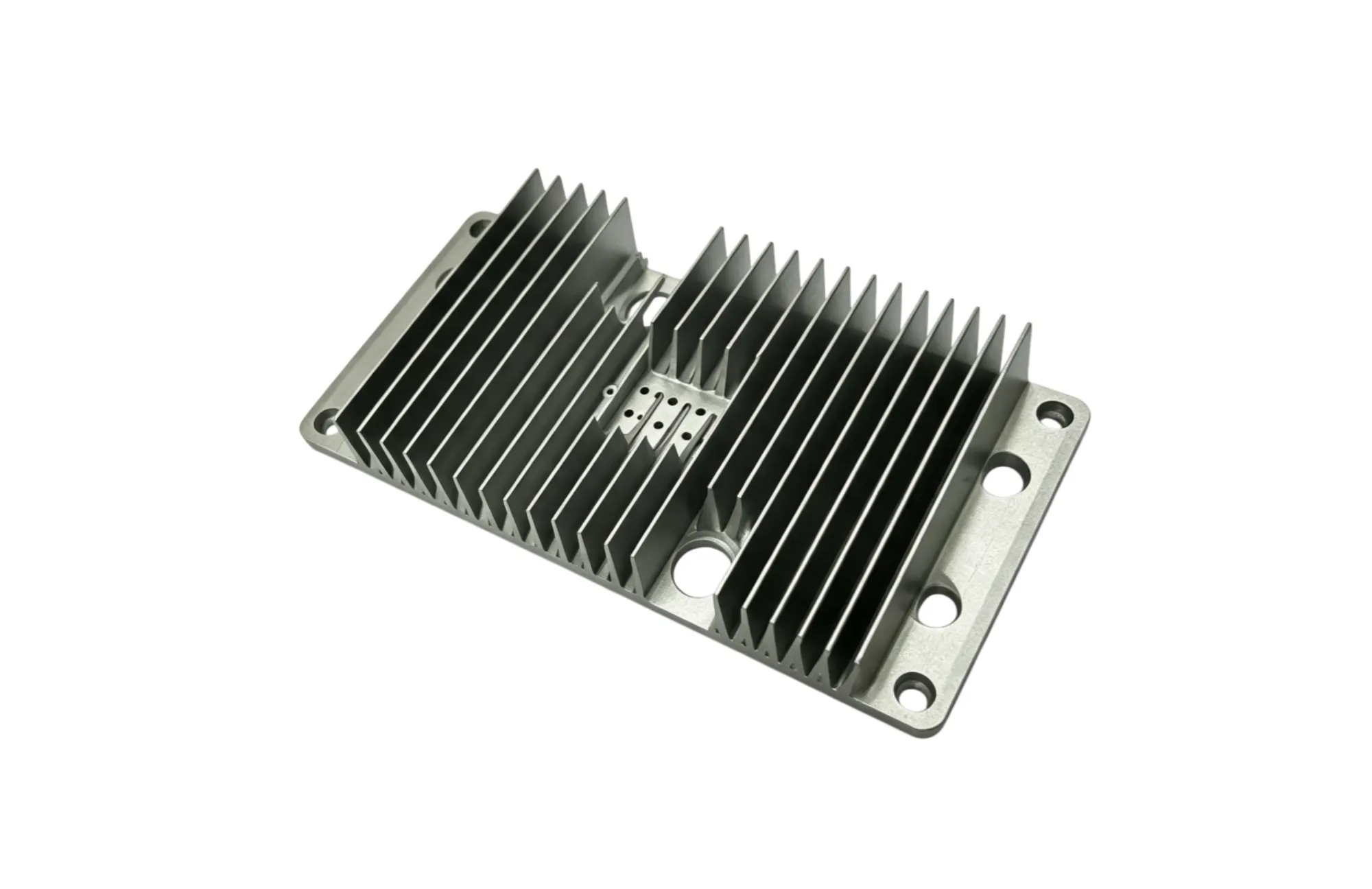
In the modern era of high-performance electronics and high-power industrial machinery, thermal management has transitioned from a secondary consideration to a primary engineering challenge. As components become smaller and more powerful, the heat they generate increases exponentially. Failure to dissipate this heat leads to reduced lifespan, decreased efficiency, and catastrophic hardware failure.
At the heart of solving this thermal crisis is the heatsink aluminum extrusion profile. This specialized component is the global standard for air-cooled thermal management. In this comprehensive guide, we will explore why aluminum extrusion is the preferred method for heatsink manufacturing, the science behind its design, the manufacturing process, and how to choose the right profile for your specific application.
A heatsink aluminum extrusion profile is a component manufactured by pushing a heated aluminum billet through a shaped die to create a specific cross-sectional shape designed to maximize surface area.
The primary function of a heatsink is to conduct heat away from a heat-generating source (like a CPU, LED, or power transistor) and dissipate it into the surrounding medium—usually air. Because aluminum is lightweight, cost-effective, and possesses excellent thermal conductivity, it is the most widely used material for extruded cooling solutions.
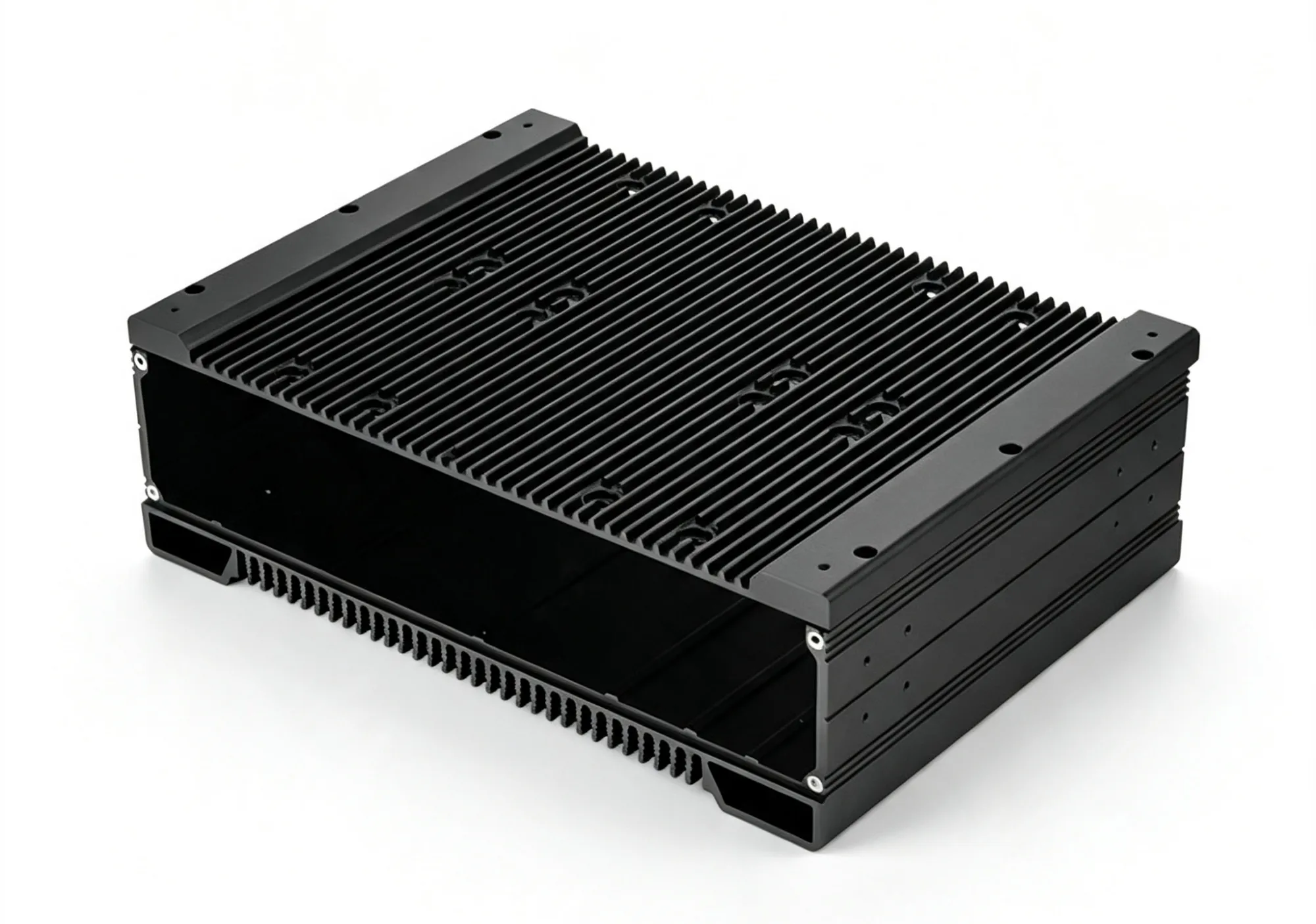
When engineers select a material for thermal management, they must balance thermal performance, weight, cost, and manufacturability. Aluminum wins on almost every front.
While copper has higher thermal conductivity than aluminum, it is significantly heavier and more expensive. Aluminum alloys, particularly the 6000 series (such as 6063), offer a thermal conductivity of approximately 200 W/m·K, which is more than sufficient for the vast majority of electronic and industrial applications.
Aluminum is roughly one-third the weight of copper or steel. In industries like aerospace, automotive, and portable electronics, reducing weight is critical. An aluminum heatsink provides effective cooling without adding unnecessary bulk to the device.
Aluminum naturally forms a protective oxide layer that prevents rust and corrosion. This can be further enhanced through surface treatments like anodizing, making aluminum heatsinks suitable for harsh environments.
The extrusion process is highly efficient and produces very little waste. Furthermore, aluminum is an abundant material, keeping the raw material costs lower than specialty metals or composite materials.
Understanding how a heatsink aluminum extrusion profile is made is essential for understanding its design limitations and possibilities.
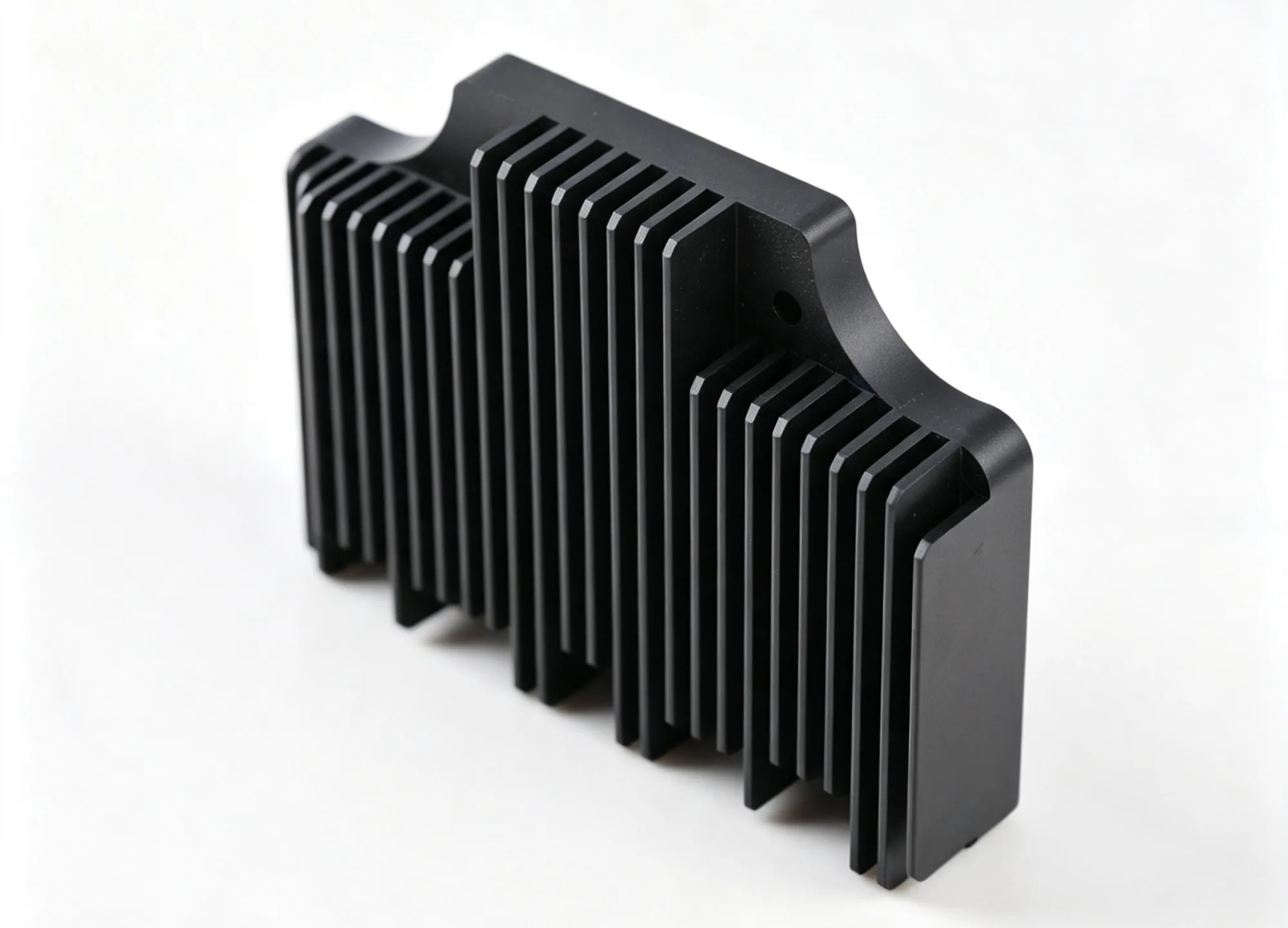
A “high-quality” heatsink is not just a block of metal; it is a precision-engineered tool. To maximize the performance of a heatsink aluminum extrusion profile, several design factors must be optimized:
The more surface area exposed to the air, the better the heat dissipation. This is why heatsinks have “fins.” However, there is a point of diminishing returns. If fins are too close together, airflow is restricted (pressure drop), and heat becomes trapped between the fins.
The aspect ratio is the ratio of the fin height to the gap between the fins. High-performance extrusions aim for high aspect ratios (tall, thin, closely spaced fins). Traditional extrusion typically manages a ratio of 8:1 or 10:1, but advanced precision extrusion can reach 20:1 or higher.
The base of the heatsink (where it touches the heat source) must be thick enough to spread the heat laterally across all the fins. If the base is too thin, only the fins directly above the heat source will be effective.
Heatsink profiles must be designed with the system’s airflow in mind. In passive cooling (natural convection), fins are usually oriented vertically. In active cooling (fan-forced), the fin geometry is optimized for the speed and pressure of the incoming air.
Depending on the application, various shapes and configurations are used:
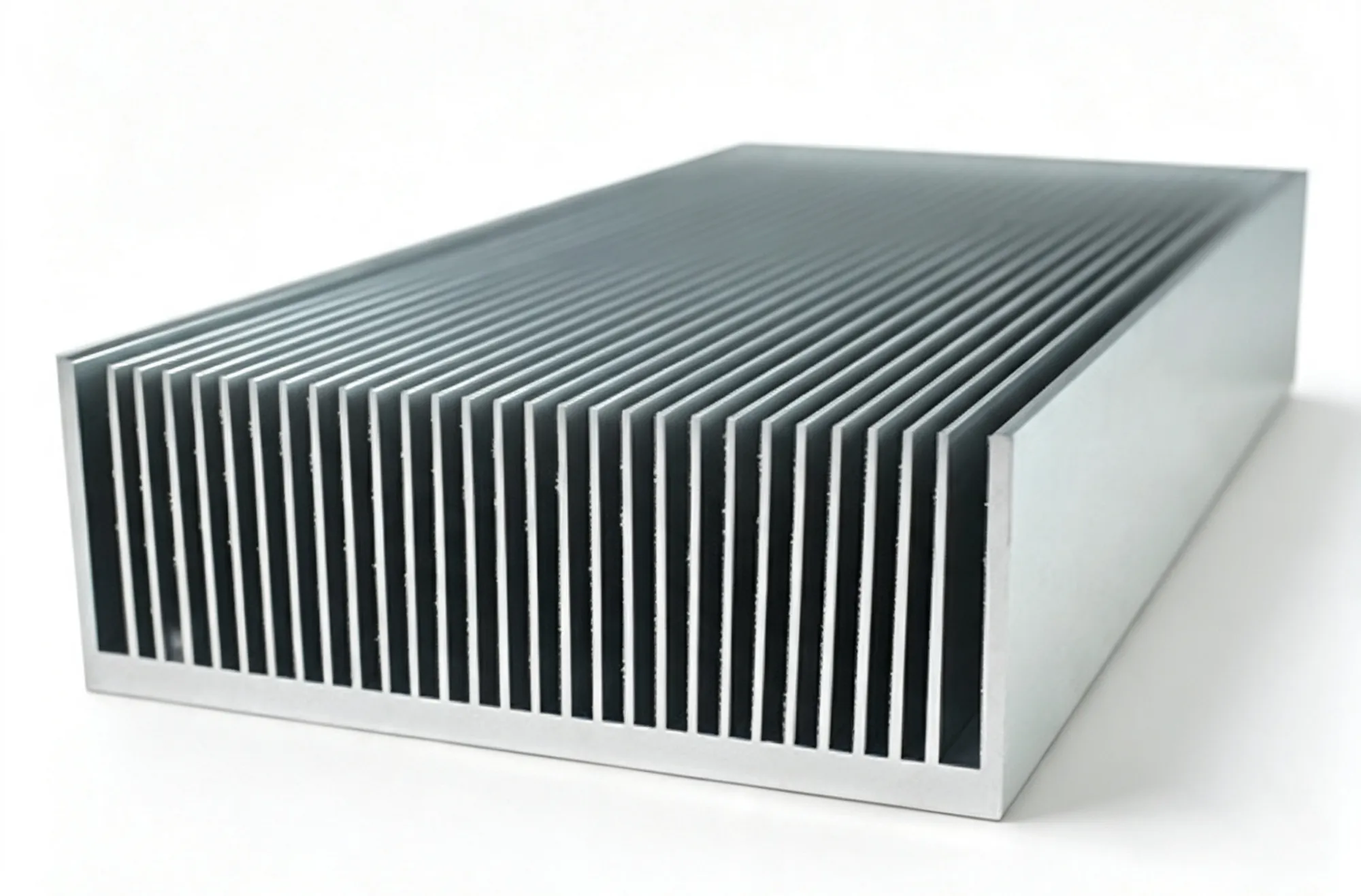
Not all aluminum is created equal. For extrusion, the 6000 series is the gold standard:
A heatsink aluminum extrusion profile often undergoes secondary surface treatments to improve both performance and aesthetics.
Anodizing (particularly black anodizing) is the most common finish. It creates a durable oxide layer that:
Also known as “chem film” or Alodine, this provides corrosion resistance while maintaining electrical conductivity, which is important for grounding purposes.
While these provide great aesthetics, they can act as insulators and reduce the thermal efficiency of the heatsink. They are generally avoided on the functional fin areas.
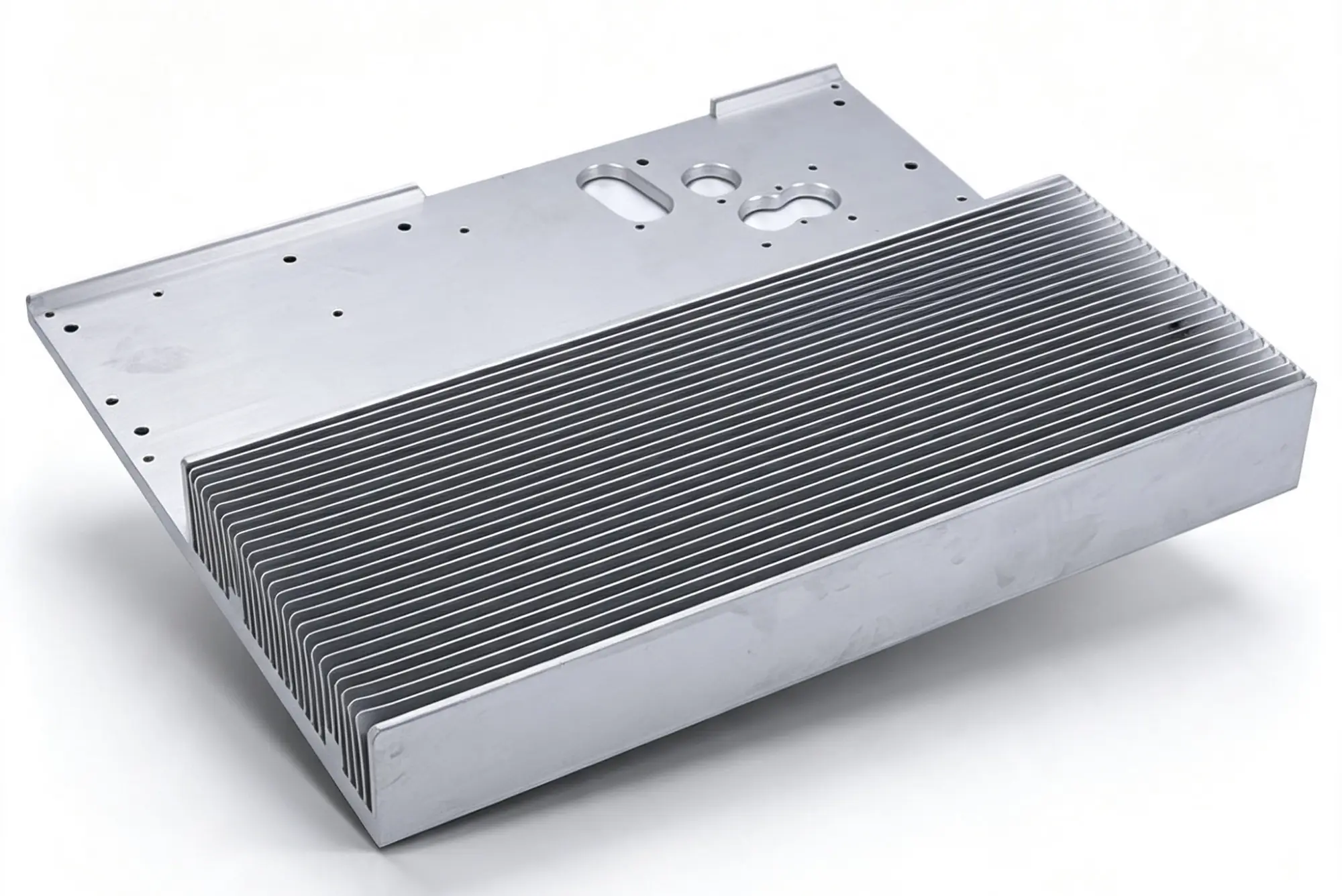
The versatility of the heatsink aluminum extrusion profile makes it ubiquitous across various sectors:
From laptops and gaming consoles to home audio amplifiers, extruded heatsinks keep processors and power chips within safe operating temperatures.
LEDs are highly sensitive to heat. To ensure a lifespan of 50,000+ hours, high-power LED arrays require robust extruded aluminum heatsinks to prevent “lumen depreciation” and color shifting.
Electric vehicles (EVs) rely on aluminum extrusions to cool battery packs, on-board chargers, and motor controllers. Their light weight helps extend the vehicle’s range.
Solar inverters and wind turbine converters handle massive amounts of power, generating significant heat. Large-scale extruded profiles are used to ensure these systems operate reliably in outdoor environments.
5G base stations and networking hardware are often housed in outdoor enclosures. Custom aluminum extrusions act as both the housing and the heatsink, protecting the electronics from the elements while dissipating heat.
When sourcing a heatsink aluminum extrusion profile, you have two main paths:
Many manufacturers keep “off-the-shelf” dies for common shapes.
If your application has specific space constraints or extreme thermal requirements, a custom extrusion is the way to go.
To get the best results for your project, provide your manufacturer with the following information:
As we look toward the future, the heatsink aluminum extrusion profile is evolving. We are seeing a move toward:
The heatsink aluminum extrusion profile remains the backbone of thermal management for a reason. Its combination of thermal efficiency, lightweight properties, and manufacturing flexibility is unmatched by any other process. Whether you are designing a simple LED fixture or a complex 5G data hub, understanding the nuances of aluminum extrusion—from alloy selection to fin geometry—is key to ensuring the longevity and reliability of your product.
By prioritizing thermal design early in the product development cycle and choosing the right extrusion partner, you can turn heat management from a potential failure point into a competitive advantage.
Summary Table: Key Features of Heatsink Aluminum Extrusions
| Feature | Description | Benefit |
| Material | 6063-T5 Aluminum Alloy | Optimal balance of conductivity & strength |
| Thermal Conductivity | ~200 W/m·K | Efficient heat transfer |
| Manufacturing | Extrusion + CNC Machining | High precision and scalability |
| Surface Finish | Anodizing (Black/Clear) | Higher emissivity and durability |
| Customization | Custom Die Design | Tailored fit for specific applications |