Dirección
304 North Cardinal
Dorchester Center, MA 02124
Horas de trabajo
De lunes a viernes: de 7.00 a 19.00 horas
Fin de semana: 10.00 A 17.00 HORAS
Dirección
304 North Cardinal
Dorchester Center, MA 02124
Horas de trabajo
De lunes a viernes: de 7.00 a 19.00 horas
Fin de semana: 10.00 A 17.00 HORAS
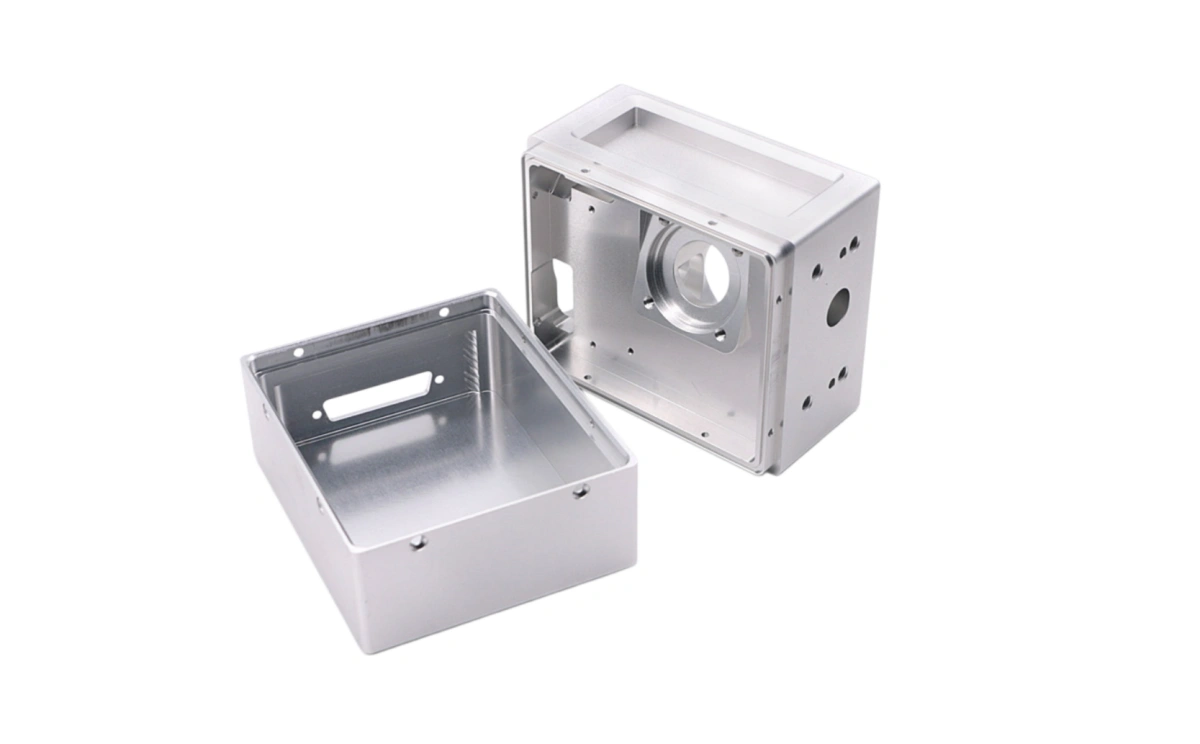
In the modern landscape of high-precision manufacturing, Aluminum Profile CNC Machining has established itself as a cornerstone technology. As industries globally pivot toward “lightweighting,” sustainability, and rapid prototyping, the demand for precision-engineered aluminum components has reached an all-time high. This guide serves as a deep dive into the world of aluminum profile machining, exploring why it is favored, how the process works, and the technical nuances that define high-quality production.
Aluminum is the most abundant metallic element in the Earth’s crust, but its true value lies in its versatility. In the context of Computer Numerical Control (CNC) machining, aluminum is not just a material; it is a solution.
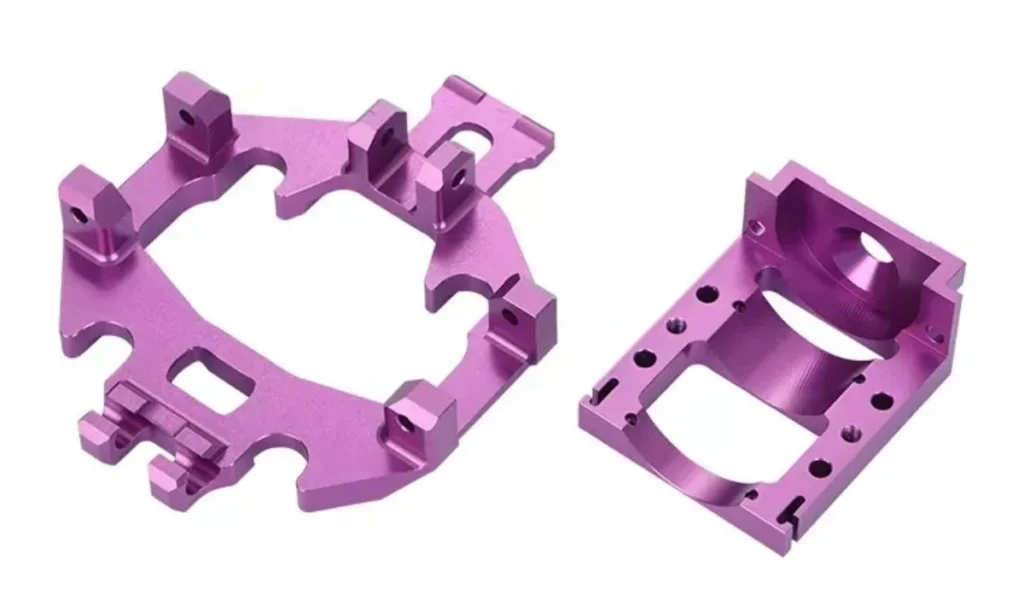
Aluminum Profile CNC Machining refers to the process of taking extruded aluminum profiles—standardized shapes created by forcing raw aluminum through a die—and using CNC machinery to subtract material until a high-precision, functional part is created. This process bridges the gap between mass-produced raw materials and highly customized, intricate components used in everything from 5G base stations to electric vehicle (EV) battery trays.
Before diving into the “how” of machining, we must understand the “why” of the material. Aluminum profiles offer a unique set of characteristics that make them superior to steel, plastic, or cast iron for many applications.
Aluminum has a density of approximately 2.7g/cm³, which is roughly one-third that of steel. This makes it indispensable for industries where weight reduction is critical, such as aerospace and automotive manufacturing. By using aluminum profiles, engineers can maintain structural integrity while significantly reducing the overall mass of a machine or vehicle.
Aluminum is an excellent conductor of heat and electricity. This property is exploited in the electronics and renewable energy sectors. Machined aluminum profiles often serve as heat sinks, dissipating thermal energy away from sensitive CPU components or power inverters.
When exposed to the atmosphere, aluminum naturally forms a thin, dense layer of aluminum oxide. This layer protects the underlying metal from further oxidation, making it ideal for outdoor applications, marine environments, and architectural structures.
Starting with a “profile” rather than a solid block (billet) offers a head start. Extrusion allows for complex cross-sections to be created at a low cost. CNC machining then adds the holes, slots, and fine tolerances that extrusion cannot achieve alone. This hybrid approach significantly reduces material waste and machining time.
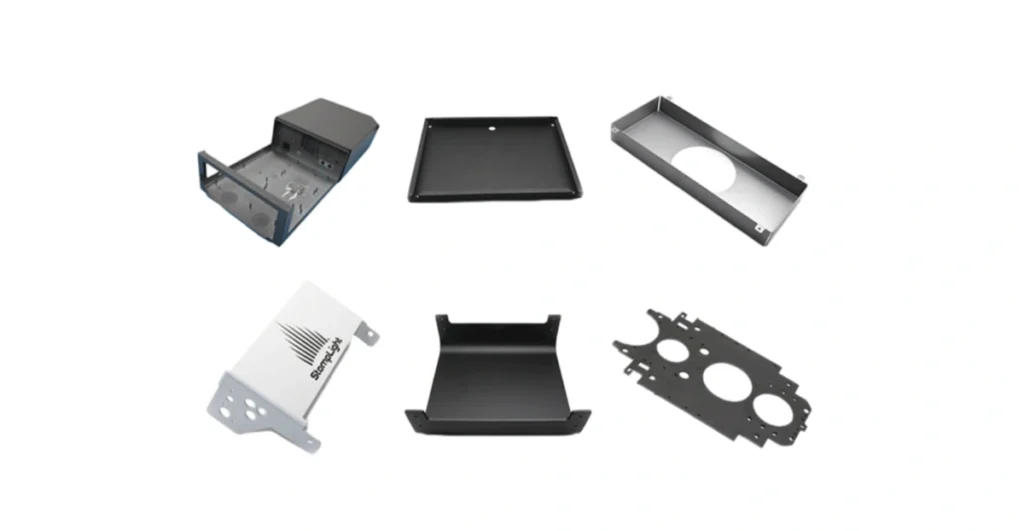
Not all aluminum is created equal. In CNC machining, the choice of alloy dictates the cutting speed, tool life, and final part performance.
Producing a high-precision aluminum part requires a meticulously managed workflow that integrates digital design with mechanical execution.
The process begins with an engineer reviewing the 3D CAD (Computer-Aided Design) model. During DFM, the team checks for:
Using CAM (Computer-Aided Manufacturing) software, engineers generate the “G-Code”—the language the CNC machine speaks. This includes defining the tool path, spindle speed (RPM), and feed rate (how fast the tool moves through the metal). Simulation is critical here to prevent “crashes” that could damage expensive machinery.
Aluminum profiles are often long, hollow, or thin-walled. Standard vices may crush them or fail to prevent vibration. Specialized fixturing is required:
Modern aluminum profile machining often utilizes 4-Axis or 5-Axis CNC machines.
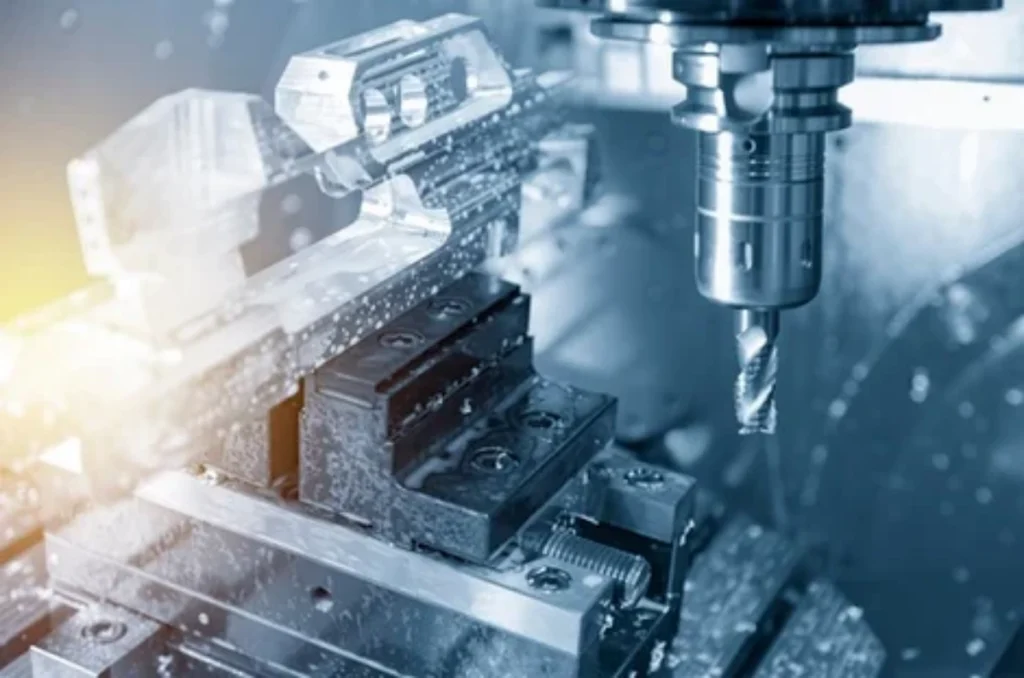
While aluminum is “easy” to cut compared to titanium, it presents specific challenges that only experienced CNC shops can handle.
Because aluminum has a low melting point, chips can become hot and “weld” themselves to the cutting tool. This is known as a Built-Up Edge (BUE). To prevent this, machinists use:
Aluminum profiles are less rigid than solid blocks. During high-speed milling, they can vibrate, creating a “chatter” pattern on the surface. Technicians solve this by optimizing the “chip load” and using specialized end mills with variable helix angles to break up harmonic vibrations.
Aluminum has a high coefficient of thermal expansion. If a part gets too hot during machining, it will expand. Once it cools down, it will shrink, potentially falling out of tolerance. Precision shops operate in climate-controlled environments and use flood coolant to maintain a constant temperature.
A machined aluminum profile is rarely “finished” right off the machine. Surface treatments are essential for protection and aesthetics.
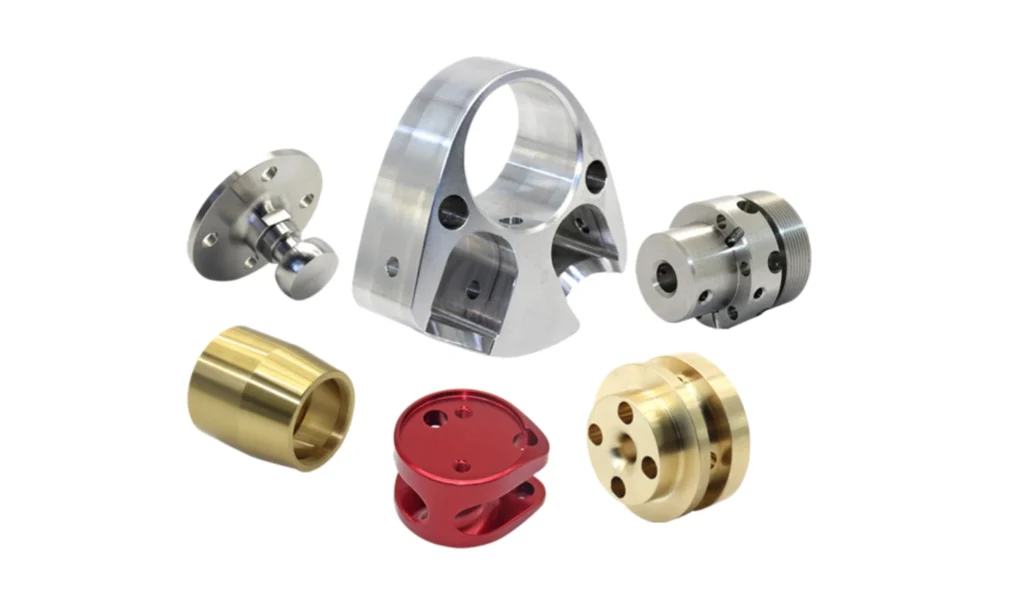
Aluminum profile CNC machining is the “silent engine” behind many modern conveniences.
The shift toward Electric Vehicles (EVs) has been a boon for aluminum. CNC-machined profiles are used for battery trays, motor housings, and crash management systems. Every kilogram saved in the chassis is a kilogram that can be added to the battery for more range.
In aerospace, “Buy-to-Fly” ratios are critical. Machining aluminum profiles allows for the creation of lightweight wing ribs, seat tracks, and internal cabin frames that meet the rigorous safety standards of the FAA and EASA.
5G base stations require massive heat dissipation because they process incredible amounts of data in small enclosures. CNC-machined aluminum profiles with integrated cooling fins are the standard solution for 5G hardware globally.
Robotic arms and automated assembly lines require high strength but low inertia. Machined aluminum profiles provide the rigidity needed for precision movement without the heavy weight of steel, allowing motors to move faster and consume less power.
To get the most out of your Aluminum Profile CNC Machining budget, consider these design optimizations:
As we move toward Industry 4.0, the world of aluminum profile CNC machining is changing rapidly.
Aluminum Profile CNC Machining is a sophisticated blend of material science, digital programming, and mechanical engineering. It offers a level of precision and flexibility that few other processes can match. From the smartphone in your pocket to the satellite orbiting the Earth, machined aluminum profiles provide the structural and thermal foundation for modern life.
By understanding the properties of aluminum alloys, the complexities of the CNC workflow, and the importance of post-processing, engineers can unlock new possibilities in product design. As the industry continues to evolve through automation and green technology, aluminum will undoubtedly remain the material of choice for the next generation of industrial innovation.