Dirección
304 North Cardinal
Dorchester Center, MA 02124
Horas de trabajo
De lunes a viernes: de 7.00 a 19.00 horas
Fin de semana: 10.00 A 17.00 HORAS
Dirección
304 North Cardinal
Dorchester Center, MA 02124
Horas de trabajo
De lunes a viernes: de 7.00 a 19.00 horas
Fin de semana: 10.00 A 17.00 HORAS
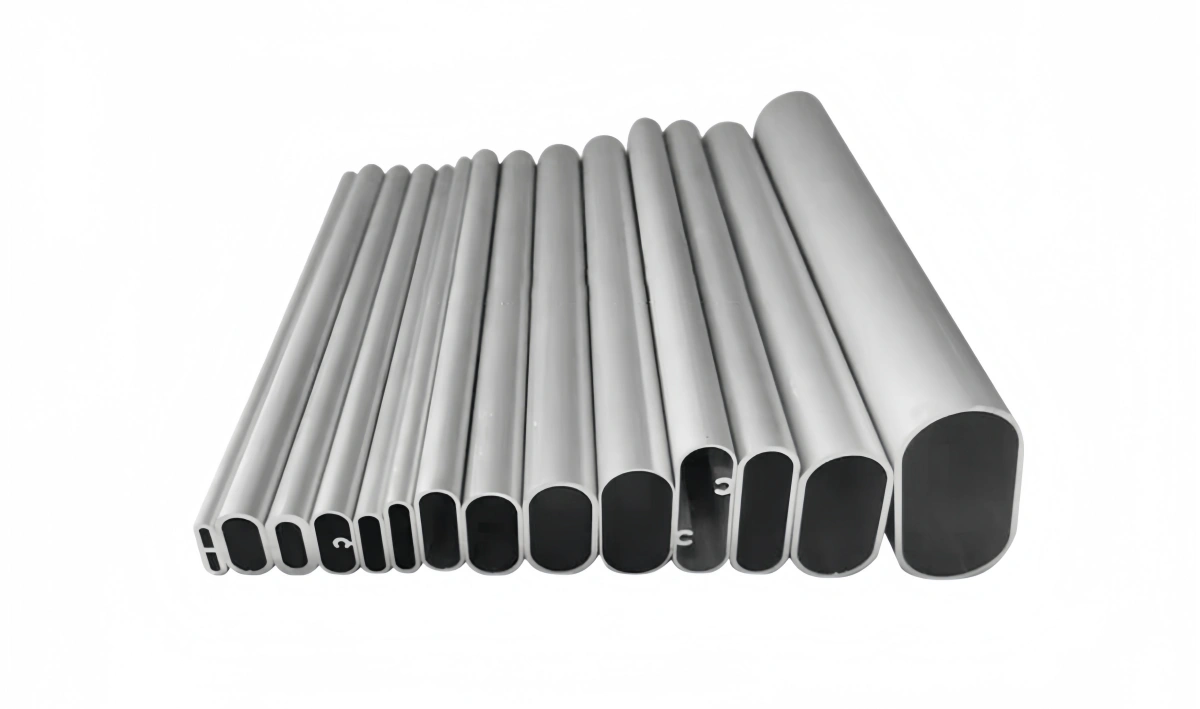
In the rapidly shifting landscape of modern manufacturing, material science dictates the pace of innovation. Among the most critical materials driving this progress is the aluminum tube. Renowned for its remarkable strength-to-weight ratio, exceptional corrosion resistance, and high recyclability, the tube has evolved from a simple structural component into a high-performance engineering solution.
From the high-altitude demands of aerospace engineering to the precision required in medical devices and the rigorous efficiency standards of the electric vehicle (EV) market, tubes are indispensable. This comprehensive 2,000-word guide explores every facet of the tube, providing deep technical insights into its properties, manufacturing processes, alloy variations, and the future trends shaping its global market.
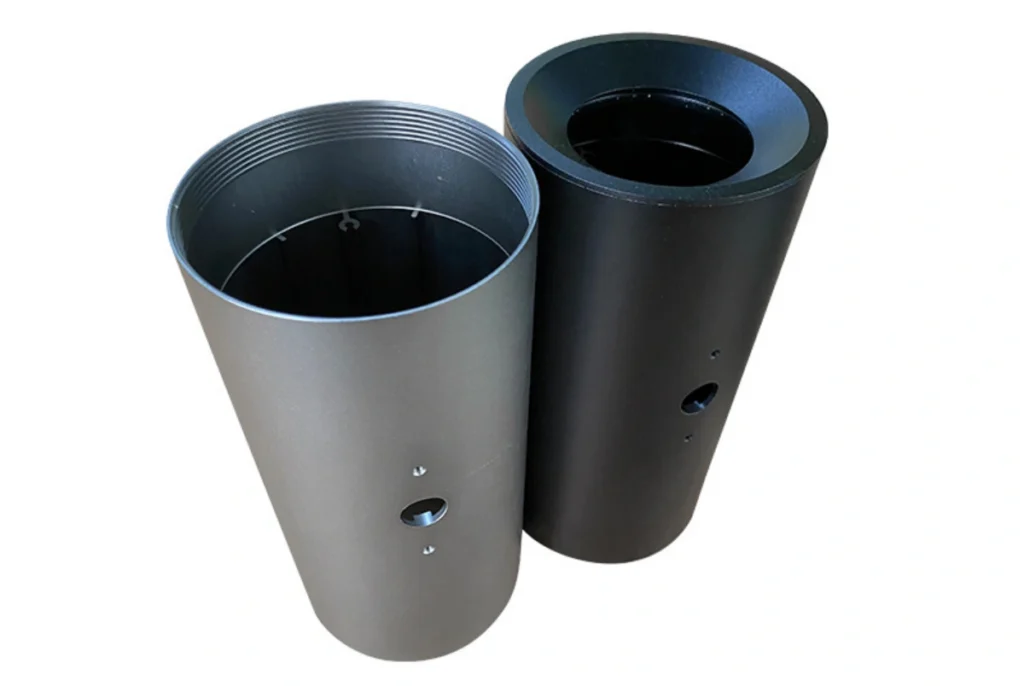
At its most basic level, an aluminum tube is a hollow, cylindrical, or shaped profile manufactured from either pure aluminum or specialized aluminum alloys. Unlike solid bars, an tube focuses its structural integrity on the outer perimeter, allowing for a lightweight design that does not compromise on durability or strength.
Aluminum has a density of approximately 2.7 g/cm³, which is roughly one-third the weight of steel. This makes the aluminum tube the primary choice for applications where reducing “dead weight” is vital for energy efficiency and portability.
One of the most praised features of the aluminum tube is its natural ability to protect itself. When exposed to oxygen, aluminum forms a thin, microscopic layer of aluminum oxide (Al₂O₃). This layer is “self-healing”; if the surface is scratched, the oxide layer reforms immediately, protecting the underlying metal from rust and degradation—a feat that steel cannot replicate without expensive coatings.
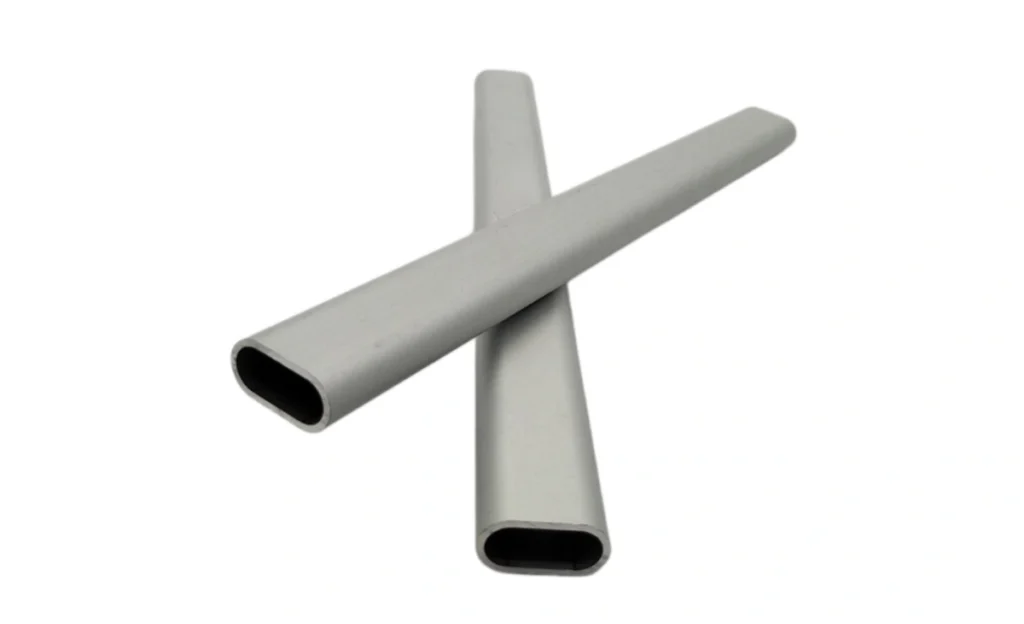
The performance of an aluminum tube is largely determined by its chemical composition. Manufacturers categorize aluminum into “series” based on the alloying elements added to the base metal.
Consisting of 99% or higher aluminum, the 1000 series ube offers the best electrical and thermal conductivity. While it lacks the high strength of other alloys, it is the standard for heat exchangers and chemical piping where purity is the priority.
With manganese as the primary alloying element, 3003 tubes offer moderate strength and excellent formability. This series is the industry standard for HVAC (Heating, Ventilation, and Air Conditioning) systems because it can be easily bent and flared without cracking.
Magnesium-based alloys, such as 5052 or 5083, provide the tube with incredible resistance to saltwater corrosion. These are essential in offshore drilling, shipbuilding, and coastal infrastructure.
The 6061 and 6063 tubes are the most popular globally. By combining magnesium and silicon, these tubes offer excellent weldability and structural strength.
Alloyed with zinc, the 7075 tube offers strength comparable to many steels. It is the go-to material for the aerospace and defense industries, where parts must withstand extreme stress and high-pressure environments.
How an tube is made significantly impacts its final performance, tolerance, and cost.
Most aluminum tubes are produced through extrusion. A heated aluminum billet is forced through a die under immense pressure.
Welded aluminum tubes are made by rolling aluminum strips into a cylinder and welding the seam using TIG (Tungsten Inert Gas) or high-frequency induction. This method is cost-effective for large-diameter tubes used in construction and decorative applications.
To achieve ultra-thin walls or high-precision diameters, an extruded aluminum tube is “drawn” through a series of smaller dies at room temperature. This process, known as work hardening, increases the material’s strength and produces a mirror-smooth surface finish required for medical and electronic applications.
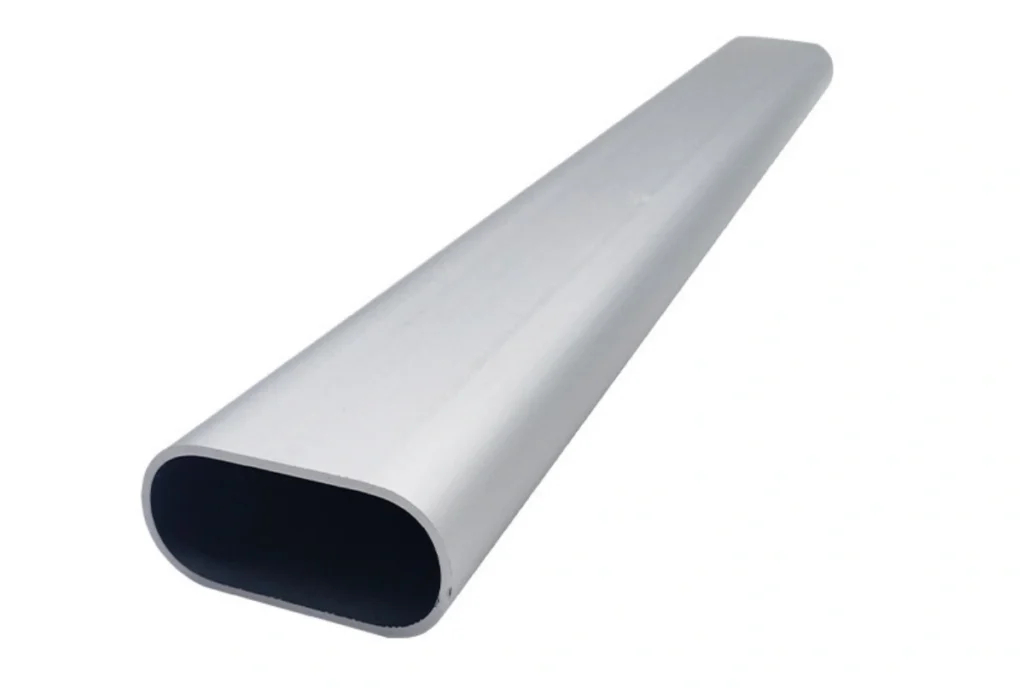
To extend the life of an aluminum tube or improve its aesthetics, several surface treatments are available:
In the sky, every pound counts. The aluminum tube is used in aircraft airframes, seat tracks, and hydraulic lines. The 7075 aluminum, in particular, allows engineers to design lightweight parts that can handle the massive G-forces of takeoff and supersonic flight.
The global shift toward Electric Vehicles (EVs) has skyrocketed the demand for the aluminum tubes. EVs require massive battery cooling systems. tubes with high thermal conductivity are used to circulate coolant around battery cells to prevent overheating. Furthermore, using aluminum tubes in the chassis helps offset the heavy weight of the batteries, increasing the vehicle’s range per charge.
Thermal efficiency is the primary goal of the HVAC industry. Because aluminum transfers heat twice as efficiently as steel, the aluminum tube is the ideal material for condenser and evaporator coils. Modern HVAC systems are increasingly moving from copper to aluminum to save on material costs while maintaining high energy efficiency ratings.
In the medical field, the tube is valued for its sterility and light weight. It is used in everything from portable oxygen tank frames and IV poles to high-precision surgical instruments. Drawn aluminum tubes are particularly popular here due to their ability to hold extremely tight tolerances.
The solar power industry utilizes aluminum tubes for the framing and support structures of solar panels. Since solar farms are often located in harsh, sun-drenched environments, the UV resistance and anti-corrosion properties of an anodized aluminum tube ensure a 25-year lifespan without maintenance.
When specifying an aluminum tube for a project, engineers must look beyond just the diameter.
The relationship between the Outer Diameter (OD) and Wall Thickness determines the tube’s burst pressure and rigidity. For high-pressure hydraulics, a thick-walled seamless tube is mandatory. For decorative handrails, a thin-walled welded tube is more cost-effective.
The “Temper” describes how the metal was treated after it was formed.
Standard extrusions have a certain degree of “twist” or “straightness” deviation. If the application involves high-speed rotation or precision fitting, a cold-drawn aluminum tube is necessary to ensure the tolerances remain within microns.
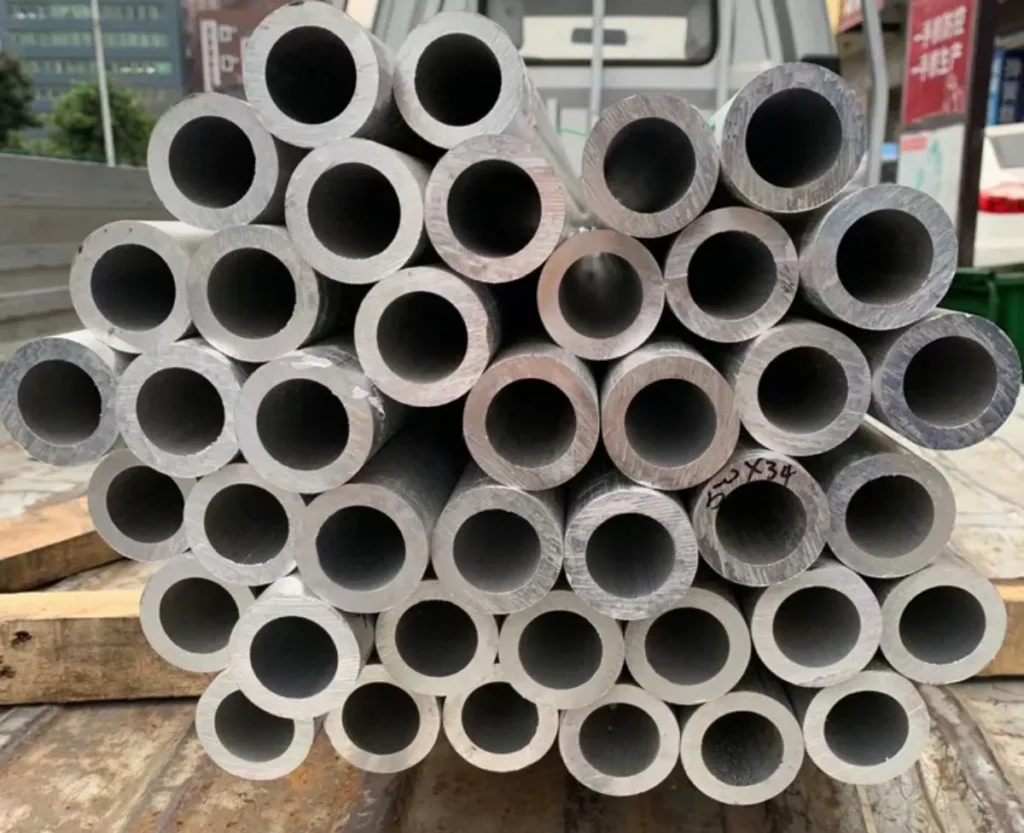
The market for the aluminum tube is currently undergoing a massive transformation driven by technology and environmental policy.
Aluminum production is energy-intensive. However, the industry is shifting toward “Green Aluminum,” which is produced using hydroelectric or solar power rather than coal. Additionally, because the aluminum tube is 100% recyclable, it is a key player in the “Circular Economy.” Recycling aluminum requires only 5% of the energy needed to create “primary” aluminum from ore.
Manufacturers are now using Artificial Intelligence (AI) to monitor the extrusion of the aluminum tube in real-time. Sensors detect microscopic flaws in the grain structure, ensuring that every meter of the aluminum tube meets the safety standards required for aerospace and automotive sectors.
The Asia-Pacific region continues to dominate the aluminum tube market. Driven by China’s massive infrastructure projects and India’s growing automotive sector, the demand for high-quality aluminum tubes in the East is expected to grow at a CAGR of over 4.5% through 2030.
While the aluminum tube is durable, proper maintenance can extend its life by decades:
Q: What is the difference between an aluminum tube and an aluminum pipe?
A: This is a common point of confusion. An tube is measured by its actual Outside Diameter (OD) and wall thickness. An aluminum pipe is measured by a “Nominal Pipe Size” (NPS), which is a standard that relates to the internal capacity. Tubes are generally used for structural or precision purposes, while pipes are used for fluid transport.
Q: Can aluminum tubes be bent without collapsing?
A: Yes, but it depends on the alloy and temper. A 3003-O aluminum tube is very easy to bend. A 6061-T6 aluminum tube is much harder and may crack if bent too sharply without specialized mandrel-bending equipment.
Q: Is the aluminum tube more expensive than copper?
A: Generally, the aluminum tube is much more cost-effective than copper. This is why many automotive and HVAC manufacturers have switched to aluminum—it provides similar thermal performance at a fraction of the weight and cost.
The aluminum tube is more than just a piece of metal; it is a fundamental building block of the 21st century. Its ability to adapt—from the massive support structures of a skyscraper to the tiny, high-pressure lines of a spacecraft—makes it one of the most versatile materials ever discovered.
As we look toward a future focused on sustainability, energy efficiency, and high-speed travel, the aluminum tube will remain at the heart of innovation. By understanding the complexities of alloy selection, manufacturing precision, and surface treatments, industry professionals can continue to leverage the tube to build a lighter, stronger, and more efficient world.
Whether you are a procurement manager sourcing for a global supply chain or an engineer designing a revolutionary new product, the tube offers a solution that is as enduring as it is versatile.